
Last updated on August 25th, 2026 at 12:42 pm
The Engine Control Module (ECM) in your 2016 Lincoln MKZ Hybrid manages fuel injection, ignition timing, and hybrid powertrain coordination. Failures may cause erratic engine behavior, reduced fuel efficiency, or complete no-start conditions.
If your 2016 Lincoln MKZ Hybrid has been stalling unexpectedly, refusing to start, or flashing a check engine light with a cryptic code, the Engine Control Module (ECM) may be the culprit. This small but critical computer governs everything from fuel delivery to hybrid system synchronization, and when it fails, your vehicle’s performance suffers. Replacing the ECM isn’t just about swapping a part—it involves precise labor steps, programming, and relearn procedures to ensure your MKZ Hybrid runs smoothly again. Understanding the process helps you avoid unnecessary delays or inflated costs. Whether you’re a DIYer or relying on a shop, knowing what to expect demystifies the repair and puts you in control of the outcome. This guide covers the ECM’s role, common failure symptoms, replacement steps, and how to protect your new module for long-term reliability.
The Engine Control Module (ECM) in your 2016 Lincoln MKZ Hybrid acts as the brain of the powertrain, continuously monitoring and adjusting engine parameters like air-fuel mixture, ignition timing, and throttle response. It also plays a key role in coordinating the hybrid system, ensuring seamless transitions between electric and gasoline power. Without a functioning ECM, your vehicle may struggle to start, idle roughly, or even enter a fail-safe mode that limits performance. Because the ECM integrates with nearly every engine sensor and actuator, its failure can trigger a cascade of issues, from poor fuel economy to erratic shifting. When replacement becomes necessary, opting for replacement engine computers for the Lincoln MKZ Hybrid ensures compatibility and avoids the hassle of on-site programming. The module’s location and design make it vulnerable to voltage spikes, moisture, or connector corrosion, so proper installation and maintenance are critical to its longevity.
2016 Lincoln MKZ Hybrid
OEM programmed ECM for your 2016 Lincoln MKZ Hybrid — plug & play, no dealer visit.
Free shipping · Lifetime warranty
In the 2016 Lincoln MKZ Hybrid, the ECM is mounted on the passenger side of the engine compartment, near the firewall. Accessing it requires removing the engine cover and possibly the air intake duct, though no major disassembly is typically needed. Replacement involves unplugging the electrical connectors, removing the mounting bolts, and installing the new module. The factory labor time for ECM removal and reinstallation (R&R) is 0.8 hours for the 2.0L engine. After installation, the module must be secured with the original torque specifications to prevent vibration or moisture intrusion. While the physical swap is straightforward, the real work begins with programming and relearn procedures to ensure the ECM communicates properly with the rest of the vehicle’s systems.
| Operation | Configuration | Book Time |
|---|---|---|
| Engine Control Module Reset | All configurations | 0.3 hr |
| Engine Control Module R&R | 2.0L | 0.8 hr |
| Engine Control Module R&R | 3.7L | 0.7 hr |
| Engine Control Module Relearn | All configurations | 0.5 hr |
| Powertrain Control Module Relearn | All configurations | 0.5 hr |
| Powertrain Control Module R&R | 2.0L | 0.8 hr |
| Powertrain Control Module R&R | 3.7L | 0.7 hr |
After replacing the ECM in your 2016 Lincoln MKZ Hybrid, the factory procedure requires a relearn process to synchronize the module with the vehicle’s sensors and systems. This typically involves a 0.5-hour labor step to perform a powertrain control module (PCM) or ECM relearn, depending on the specific requirements. However, when you install a VIN-programmed replacement unit, these steps are already completed, saving you time and potential frustration. The pre-programmed module arrives ready to communicate with your MKZ Hybrid’s engine and hybrid systems, eliminating the need for additional dealer visits or specialized equipment. This not only streamlines the repair but also reduces the risk of programming errors that could lead to further issues down the road.
When the ECM in your 2016 Lincoln MKZ Hybrid begins to fail, the symptoms can range from subtle to severe. You may notice the engine stalling unexpectedly, especially at idle or during deceleration, or the vehicle may refuse to start altogether. Rough idling, hesitation under acceleration, or a sudden drop in fuel efficiency are also common signs of ECM trouble. In some cases, the hybrid system may fail to engage properly, leaving you with reduced electric power or erratic transitions between gas and electric modes. Another telltale sign is the illumination of the check engine light, often accompanied by a stored trouble code like an internal processor fault. If your scan tool fails to communicate with the ECM, that’s a strong indicator of a complete module failure. These symptoms can mimic other issues, such as sensor failures or fuel system problems, so proper diagnosis is essential. Ignoring ECM-related codes or symptoms may lead to further damage, including catalytic converter failure or transmission issues due to improper shifting signals.
The 2016 Lincoln MKZ Hybrid’s ECM may generate specific trouble codes when internal faults are detected. These codes help pinpoint the issue and guide the repair process. One documented code for this vehicle is P0606, which indicates an internal processor error within the module itself.
| Code | Meaning | Full Guide |
|---|---|---|
| P0606 | Module processor failure | Full P0606 guide → |
Common signs include stalling, no-start conditions, rough idling, or a check engine light with codes like P0606. If your scan tool can’t communicate with the ECM, that’s another strong indicator. These symptoms often worsen over time, so early diagnosis is key.
Replacing the ECM is physically straightforward, but the process requires a relearn procedure afterward. If you’re not comfortable with programming or lack the necessary tools, it’s best to leave this job to a professional. Using a pre-programmed unit simplifies the process.
The relearn procedure ensures the new ECM synchronizes with the vehicle’s sensors, transmission, and hybrid system. Without it, the module may not communicate properly, leading to performance issues or even a no-start condition. The factory labor time for this step is 0.5 hours.
In this vehicle, the terms ECM and PCM are often used interchangeably, as the module controls both engine and powertrain functions. The replacement labor times for both are the same (0.8 hours for the 2.0L engine), and both require a relearn procedure after installation.
The factory labor time for ECM removal and reinstallation is 0.8 hours. However, this doesn’t include the 0.5-hour relearn procedure, which is typically required afterward. Using a pre-programmed unit can reduce the total time by eliminating the need for additional programming.
If your 2016 Lincoln MKZ Hybrid is experiencing ECM-related issues, you have options. A dealership may recommend a new module with on-site programming, which can be costly and time-consuming. Alternatively, a refurbished or pre-programmed replacement unit offers a reliable, cost-effective solution. Since the ECM is critical to your vehicle’s performance, choosing the right replacement ensures a smooth repair process and long-term reliability. Whether you’re handling the install yourself or working with a shop, understanding the steps involved helps you make an informed decision.
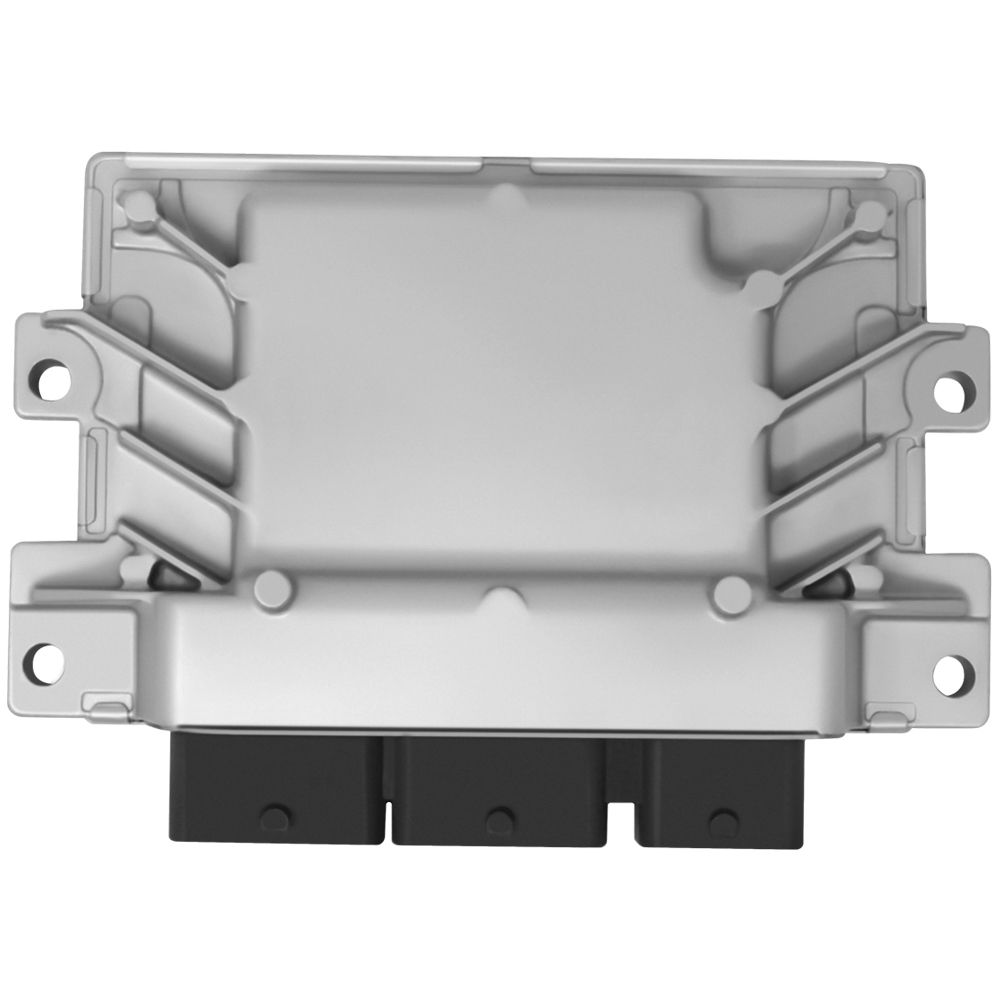
Flagship One stocks a refurbished, VIN-programmed PCM for the 2016 Lincoln MKZ Hybrid with a lifetime warranty, free shipping and no core charge. The full Lincoln MKZ Hybrid module lineup covers other engine configurations as well.
The ECM in your 2016 Lincoln MKZ Hybrid is a vital component that keeps your engine and hybrid system running smoothly. When it fails, the symptoms can be frustrating, but replacement is a manageable process—especially with a pre-programmed unit that eliminates extra steps. By addressing issues promptly and following proper installation practices, you can restore your vehicle’s performance and avoid future headaches. Whether you’re tackling the repair yourself or leaving it to a professional, knowing what to expect puts you in the driver’s seat.