
Last updated on August 25th, 2026 at 02:21 pm
The Engine Control Module (ECM) and Powertrain Control Module (PCM) in the 2016 Chevrolet Spark EV serve as the primary computers managing the electric drivetrain, battery interface, and vehicle propulsion. Internal memory failures in these modules can trigger multiple diagnostic codes and render the vehicle inoperable.
If your 2016 Chevrolet Spark EV has stopped running, displays multiple internal diagnostic trouble codes, or cannot communicate with a scan tool, you may be dealing with a failed Engine Control Module or Powertrain Control Module. These two closely related computers serve as the brain of your Spark EV, managing everything from electric motor output to battery pack communication and regenerative braking coordination. Unlike conventional vehicles with internal combustion engines, the Spark EV relies heavily on its electronic control modules for all propulsion functions, making module health critical to vehicle operation. This guide explains what these modules do, common failure symptoms, replacement procedures, and your repair options so you can make an informed decision about getting your electric Spark back on the road.
The Engine Control Module and Powertrain Control Module in the 2016 Chevrolet Spark EV are integrated computer units that manage the vehicle’s entire electric drivetrain operation. The ECM handles engine-specific functions—in this case, the electric motor controller that regulates power delivery to the drive motor—while the PCM coordinates broader powertrain activities including battery management system communication, regenerative braking, and transmission control for the single-speed reduction gearset. These modules contain a central processor, permanent memory storage for calibration data, and input-output circuits that communicate with every major electrical component in the vehicle. Because the Spark EV is a pure electric vehicle with no conventional engine, the ECM/PCM performs functions that would normally be split between multiple computers in a gasoline-powered car. The module stores unique vehicle identification, emission calibration data (even though zero-emission vehicles still maintain OBD-II compliance), and adaptive learning values that optimize drivetrain response. When the internal processor or memory within these modules fails, the result is often a vehicle that will not start, cannot shift into gear, or displays multiple simultaneous diagnostic trouble codes with no apparent external cause. Replacement engine computers for the Spark EV must be matched to the specific VIN and calibration requirements of the vehicle to ensure proper function of all electric drive systems.
Flagship One keeps Chevrolet Spark EV replacement engine computers in stock for exactly this failure pattern.
The Engine Control Module and Powertrain Control Module on the 2016 Chevrolet Spark EV are located inside the vehicle’s cabin, typically mounted beneath the rear seats or in a central console area, depending on the exact production variant. Access generally requires removing interior trim panels and potentially the rear seat cushion assembly to reach the module mounting location. The replacement procedure involves disconnecting the vehicle battery ground terminal, removing the failed module from its mounting bracket, disconnecting the wiring harness connectors, installing the new or refurbished module, and reconnecting all electrical connections. According to manufacturer labor guidelines, Engine Control Module R&R requires approximately 0.8 hours of book time, with an additional 0.5 hours allocated for the relearn procedure. Similarly, Powertrain Control Module replacement follows the same time allocation of 0.8 hours for R&R plus 0.5 hours for relearn. The total combined labor for addressing both modules if needed would therefore be substantial, though in most failure scenarios only one module requires replacement. After installation, all mounting hardware should be torqued to specification and all connectors should be verified secure before reassembly of interior trim.
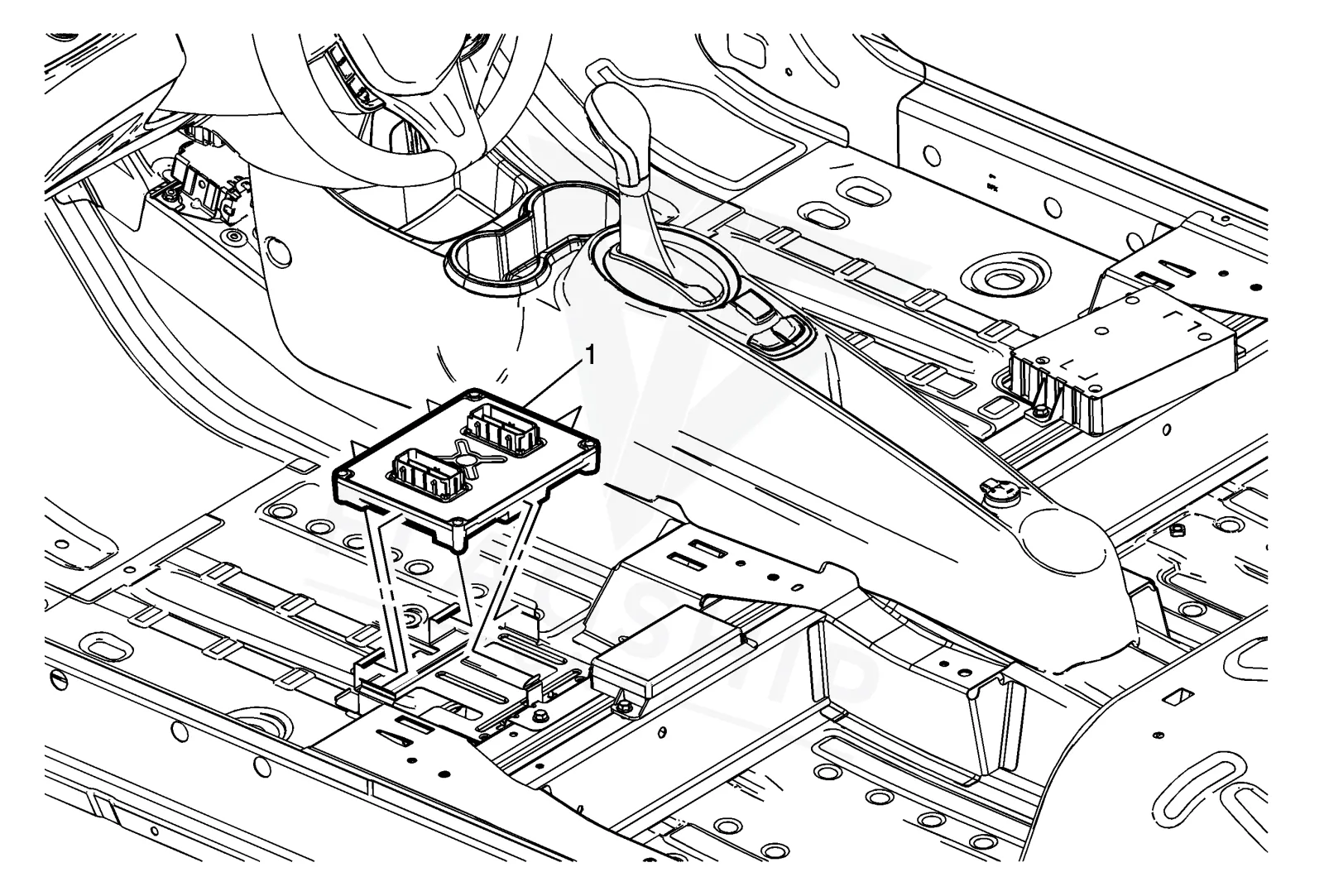
Work with the ignition off, and treat the module as static-sensitive: avoid touching the connector pins at any point.
| Operation | Configuration | Book Time |
|---|---|---|
| Engine Control Module R&R | All configurations | 0.8 hr |
| Engine Control Module Relearn | All configurations | 0.5 hr |
| Powertrain Control Module R&R | All configurations | 0.8 hr |
| Powertrain Control Module Relearn | All configurations | 0.5 hr |
2016 Chevrolet Spark EV
OEM programmed ECM for your 2016 Chevrolet Spark EV — plug & play, no dealer visit.
Free shipping · Lifetime warranty
After replacing the ECM or PCM on your 2016 Chevrolet Spark EV, the factory procedure requires performing a module relearn procedure to allow the new computer to adapt to your vehicle’s specific components and establish communication with the battery management system, electric motor controller, and other vehicle modules. This relearn process synchronizes the new module with existing vehicle systems and clears any learned adaptive values that would be incompatible with the new hardware. The service programming system (SPS) is used to perform this calibration and relearn function. Factory bulletin #17-NA-242 notes changes to SPS that may warn or prohibit reprogramming a module with its current calibration, indicating that dealers must use the correct calibration file for your specific vehicle. It is important to note that Flagship One units arrive VIN-programmed so those steps are already done, meaning the replacement module arrives pre-configured with your vehicle’s identification and calibration data, eliminating the need for dealer programming appointments in most cases. This pre-programming significantly reduces overall repair time and ensures the module is ready for installation and immediate relearn testing.
Every VIN-programmed replacement unit from Flagship One arrives with these steps already completed.
When the Engine Control Module or Powertrain Control Module fails on a 2016 Chevrolet Spark EV, the vehicle may exhibit several telltale symptoms indicating internal module dysfunction. The most common presentation is a no-start condition where the vehicle appears completely dead or fails to respond when the start button is pressed, even though the 12-volt auxiliary battery may have adequate charge. Another frequent symptom is stalling or loss of propulsion while driving, which can occur suddenly without warning and may be accompanied by dashboard warning lights. Multiple diagnostic trouble codes may be stored simultaneously, particularly internal module codes that indicate processor or memory failures rather than failures in external sensors or actuators. In some cases, the scan tool may not be able to communicate with the module at all, or may display error messages indicating checksum failures or calibration corruption. The vehicle may also exhibit erratic shifting behavior or complete failure to engage drive, as the transmission control functions are routed through the PCM. These symptoms often appear without any preceding warning because the internal electronic failures that cause module death are typically sudden events rather than gradual degradations. If your Spark EV displays any combination of these symptoms, having the module tested by a qualified technician is strongly recommended before pursuing further diagnosis.
The 2016 Chevrolet Spark EV may store several module-internal diagnostic trouble codes when the ECM or PCM experiences internal failures. These codes indicate various internal module problems including memory checksum errors, calibration corruption, processor faults, and internal reference voltage issues. Unlike conventional sensor or circuit codes, these internal memory checksum codes point directly to problems within the control module itself rather than external components.
| Code | Meaning | Full Guide |
|---|---|---|
| P0601 | Internal memory checksum error | Full P0601 guide → |
| P0602 | Control module programming error | Full P0602 guide → |
| P0603 | Keep-alive memory (KAM) error | Full P0603 guide → |
| P0604 | Internal RAM error | Full P0604 guide → |
| P0605 | Internal ROM error | Full P0605 guide → |
| P0606 | Module processor failure | Full P0606 guide → |
| P060A | Module-internal fault | — |
| P061A | Module-internal fault | — |
| P061B | Module-internal fault | — |
| P062F | Internal EEPROM error | Full P062F guide → |
| P0630 | Module-internal fault | Full P0630 guide → |
Factory service bulletin #PIP5373B, issued June 11, 2018, addresses programming errors E4491 and E4423 that may occur when attempting to program ECM modules on certain vehicles. This bulletin provides guidance on resolving calibration programming failures that can prevent successful module replacement. Additionally, bulletin #17-NA-242, released July 24, 2017, covers changes to the Service Programming System (SPS) that warn or prohibit reprogramming a module with its current calibration, meaning technicians must use the correct update file matching the vehicle’s model year and configuration. Both bulletins indicate that proper programming procedures are critical for successful module replacement on the Spark EV.
| Bulletin | Subject | What It Addresses |
|---|---|---|
| — | Program ECM Error E4491/E4423 – (Jun 11, 2018) | — |
| — | Information on Changes to SPS that Warn/Prohibit Reprogramming a Module With Its Current Calibr | — |
A used replacement module can be installed, but it will require programming to match your specific vehicle’s VIN and calibration data. The module must be programmed using GM’s service programming system, and in some cases the donor vehicle’s calibration may not be compatible with your vehicle. This is why many owners opt for professionally programmed replacement units that arrive ready for installation.
Once a properly programmed replacement module is installed and the relearn procedure is completed, your Spark EV should run normally provided there are no other underlying issues. The module relearn process allows the new computer to adapt to your vehicle’s specific battery pack, motor, and other components. If other electrical issues exist, they may become apparent after module replacement, but a successful relearn typically restores full vehicle function.
A qualified technician can diagnose ECM/PCM issues by checking for internal trouble codes, attempting module communication with a scan tool, and checking for proper voltage and ground supplies. If multiple internal codes are present simultaneously or the module cannot be communicated with, the ECM/PCM is likely the culprit. External issues like sensor failures typically produce specific codes related to those circuits rather than internal module codes.
Repairing an internal module failure is generally not practical because the module’s circuitry is not designed for field repair. Replacement with a new OEM module is the most reliable but also the most expensive option. Refurbished exchange modules offer a middle ground, providing a tested and programmed unit at a lower cost than new, though quality varies by supplier.
Operating a vehicle with a failing control module is not recommended because unexpected loss of propulsion or stalling could create a safety hazard, particularly in traffic or highway situations. Additionally, continuing to drive with a compromised module may cause further damage to related electrical systems. The vehicle should be towed to a repair facility if the module is suspected of failing.
When your 2016 Chevrolet Spark EV requires ECM or PCM replacement, you have two primary repair paths to consider. The first is purchasing a new OEM module from a Chevrolet dealer, which ensures you receive brand-new hardware with the latest calibration but at significant cost plus dealer programming fees. The second option is a professionally refurbished exchange module from a reputable supplier like Flagship One, which arrives VIN-programmed and ready for installation, eliminating the need for dealer programming appointments. For the Spark EV specifically, the pre-programmed option can save considerable time and expense while providing reliable function. Evaluate your budget, timeline, and comfort level with each approach before deciding which repair path suits your situation best.
Flagship One stocks a refurbished, VIN-programmed PCM for the 2016 Chevrolet Spark EV with a lifetime warranty, free shipping and no core charge. The full Chevrolet Spark EV module lineup covers other engine configurations as well.
The Engine Control Module and Powertrain Control Module in your 2016 Chevrolet Spark EV are critical components that manage all electric drive functions, and when they fail, the vehicle will not operate properly. Understanding the symptoms, replacement process, and programming requirements helps you make informed decisions about repairs. Whether you choose dealer replacement or a professionally programmed refurbished unit, getting your Spark EV back to reliable operation is achievable with the right approach and parts.