
Last updated on August 25th, 2026 at 01:31 pm
The Powertrain Control Module (PCM) in your 2015 Ford Transit 3.7L acts as the vehicle’s central computer, managing engine performance, fuel delivery, and transmission behavior. When it fails, you may experience erratic operation, warning lights, or complete drivability loss due to corrupted data or internal faults.
If your 2015 Ford Transit 3.7L has been acting unpredictably—stalling at stops, refusing to start, or flashing the check engine light—you may be dealing with a failing Powertrain Control Module (PCM). This critical component serves as the brain of your vehicle, coordinating fuel injection, ignition timing, and transmission shifts to keep everything running smoothly. When the PCM malfunctions, the symptoms can range from subtle performance hiccups to complete immobilization, often leaving you stranded with little warning. Understanding what the PCM does, how to recognize its failure, and what replacement entails can help you make informed decisions about repairs. This guide explains the role of the PCM in your Transit, common signs of trouble, the steps involved in replacement, and why choosing the right replacement unit matters for getting back on the road quickly and reliably.
The Powertrain Control Module (PCM) in your 2015 Ford Transit 3.7L is a sophisticated onboard computer responsible for managing nearly every aspect of engine and transmission operation. It continuously monitors data from sensors throughout the vehicle, adjusting fuel delivery, ignition timing, and shift points in real time to optimize performance, efficiency, and emissions. Without a properly functioning PCM, your Transit may struggle to start, run roughly, or even fail to move at all. Because the PCM integrates engine and transmission control into a single unit, its failure can lead to a wide range of drivability issues that may mimic other problems, such as fuel pump failure or transmission slippage. When replacement becomes necessary, you’ll need a module designed specifically for the Transit’s 3.7L engine, ensuring compatibility with the vehicle’s unique calibration. Opting for replacement engine computers for the Ford Transit can simplify the process, as these units are built to match the original specifications and often come pre-configured to reduce installation time.
2015 Ford Transit 3.7L
OEM programmed ECM for your 2015 Ford Transit 3.7L — plug & play, no dealer visit.
Free shipping · Lifetime warranty
In the 2015 Ford Transit 3.7L, the Powertrain Control Module (PCM) is located in the engine compartment, typically mounted on the passenger side near the firewall. Accessing it requires removing a protective cover or air intake components, depending on the specific configuration of your vehicle. Once exposed, the PCM is secured with a few bolts or screws, and the wiring harness connectors must be carefully disconnected before removal. Reinstalling the module involves reversing these steps, ensuring all connectors are fully seated and the module is securely fastened. According to factory labor estimates, replacing the PCM in this model takes approximately 0.7 hours, which includes the time needed to remove and reinstall the necessary components. While the physical replacement is straightforward, proper handling of the module and connectors is critical to avoid damage or corrosion over time.
Work with the ignition off, and treat the module as static-sensitive: avoid touching the connector pins at any point.
| Operation | Configuration | Book Time |
|---|---|---|
| Powertrain Control Module R&R | 3.2L | 1.1 hr |
| Powertrain Control Module R&R | 3.5L | 0.7 hr |
| Powertrain Control Module R&R | 3.7L | 0.7 hr |
| Powertrain Control Module Relearn | Transit-150 | 0.2 hr |
| Powertrain Control Module Relearn | Transit-250 | 0.2 hr |
| Powertrain Control Module Relearn | Transit-350 | 0.2 hr |
| Powertrain Control Module Relearn | Transit-350 HD | 0.2 hr |
| Engine Control Module Relearn | Transit-150 | 0.5 hr |
After installing a new Powertrain Control Module (PCM) in your 2015 Ford Transit 3.7L, the vehicle requires a relearn procedure to synchronize the module with its sensors and systems. This process, outlined in the factory service manual, typically involves using a scan tool to reset adaptive values and recalibrate the PCM to the engine and transmission. For the Transit, this relearn step is estimated to take 0.2 hours, though the exact duration may vary depending on the tools and technician experience. However, if you opt for a VIN-programmed replacement unit, these programming steps are already completed before the module arrives. This means the unit is ready to install and drive, eliminating the need for additional on-site programming and reducing the risk of compatibility issues or diagnostic errors during the relearn process.
A failing Powertrain Control Module (PCM) in your 2015 Ford Transit 3.7L can produce a variety of symptoms, some of which may initially seem unrelated. One of the most common signs is the illumination of the check engine light, often accompanied by trouble codes stored in the vehicle’s memory. For this model, code internal processor fault may appear, indicating a malfunction within the PCM itself rather than a sensor or external component. Other symptoms include intermittent stalling, especially at idle or during deceleration, as the PCM struggles to maintain proper fuel and spark delivery. You might also notice rough running, misfires, or a lack of power, as the module fails to adjust engine parameters correctly. In some cases, the vehicle may refuse to start entirely, leaving you with a cranking engine that never fires. Transmission shifting issues, such as harsh or delayed gear changes, can also occur if the PCM’s control over the transmission is compromised. Additionally, you may experience poor fuel economy or increased emissions, as the PCM’s ability to optimize combustion is impaired. Because these symptoms can overlap with other mechanical or electrical problems, proper diagnosis is essential to confirm whether the PCM is the root cause.
The 2015 Ford Transit 3.7L may store specific trouble codes when the Powertrain Control Module (PCM) experiences internal faults. These codes help pinpoint the nature of the problem, guiding diagnostics and repair efforts. Below is the documented module-internal trouble code for this vehicle.
| Code | Meaning | Full Guide |
|---|---|---|
| P0606 | Module processor failure | Full P0606 guide → |
Diagnosing a failing PCM involves checking for stored trouble codes, particularly those indicating internal processor faults like P0606. If the vehicle exhibits multiple unrelated symptoms—such as stalling, misfires, and transmission shifting issues—it may point to the PCM. However, these symptoms can also stem from sensor failures or wiring problems, so a thorough scan and inspection are necessary to rule out other causes.
In the 2015 Ford Transit 3.7L, the Powertrain Control Module (PCM) combines the functions of an Engine Control Module (ECM) and a Transmission Control Module (TCM) into a single unit. This means the PCM manages both engine performance and transmission behavior, whereas some vehicles use separate modules for these systems. The integrated design simplifies wiring but can complicate diagnostics when issues arise.
Driving with a failing PCM is risky and may lead to further damage or sudden breakdowns. Symptoms like stalling, misfires, or transmission shifting problems can worsen over time, leaving you stranded. If you suspect PCM failure, it’s best to address the issue promptly to avoid more extensive repairs or safety hazards on the road.
The relearn procedure ensures the new PCM synchronizes with the vehicle’s sensors, adaptive fuel trims, and transmission shift patterns. Without this step, the module may not operate optimally, leading to poor performance, reduced fuel economy, or even drivability issues. The process typically involves using a scan tool to reset adaptive values and recalibrate the system.
While some electronic components can be repaired, PCM failures often involve internal processor or memory corruption that cannot be fixed through simple repairs. Replacement is typically the most reliable solution, especially when dealing with module-internal trouble codes like P0606. Opting for a pre-programmed replacement unit can further simplify the process and reduce downtime.
When your 2015 Ford Transit 3.7L requires a new Powertrain Control Module, you have options to consider. A dealership replacement may involve longer wait times and higher costs, while a refurbished or aftermarket unit can offer a more efficient solution. Choosing a pre-programmed module designed specifically for your Transit can eliminate the need for additional programming steps, reducing labor time and getting you back on the road faster. Whether you prioritize cost savings or convenience, understanding the replacement process helps you make the best choice for your vehicle’s needs.
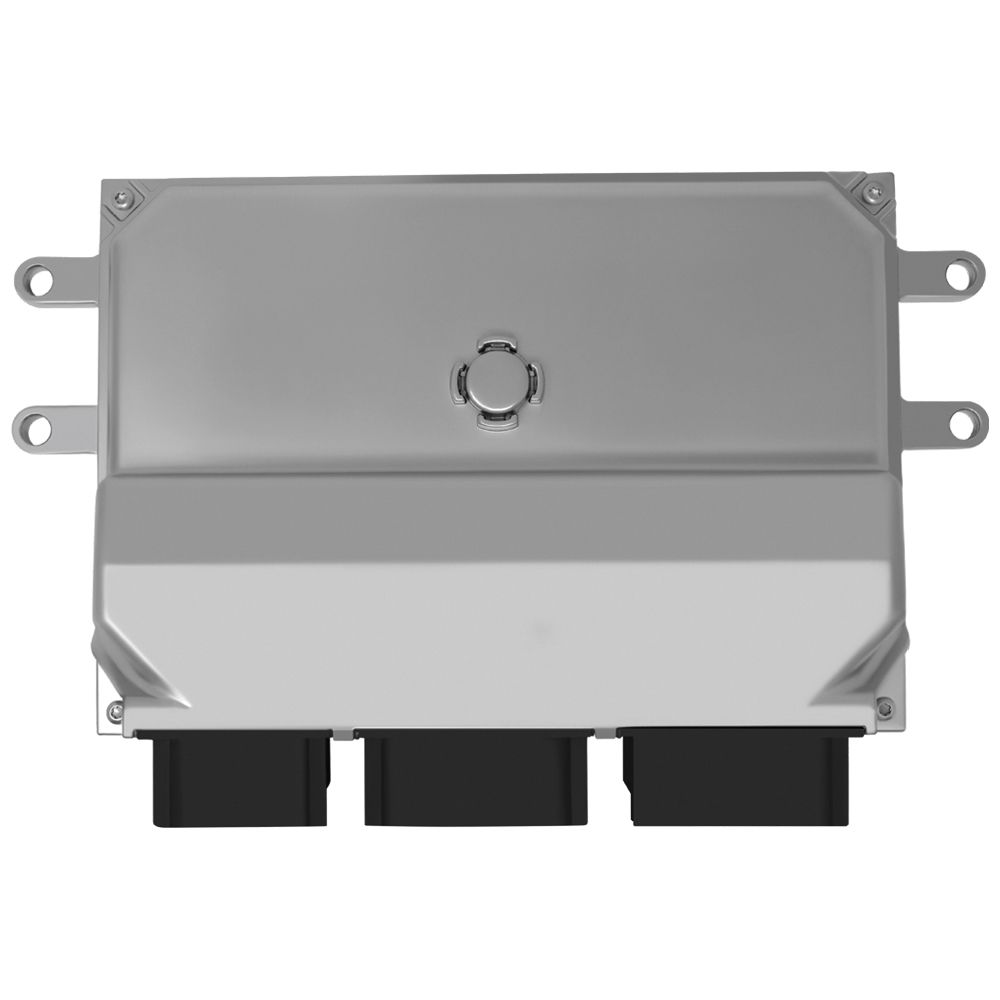
Flagship One stocks a refurbished, VIN-programmed PCM for the 2015 Ford Transit with a lifetime warranty, free shipping and no core charge. The full Ford Transit module lineup covers other engine configurations as well.
The Powertrain Control Module plays a critical role in keeping your 2015 Ford Transit 3.7L running smoothly, and recognizing the signs of failure can save you time and frustration. Whether you’re dealing with stalling, no-start conditions, or trouble codes like P0606, addressing the issue promptly ensures reliable performance. With the right replacement unit and proper installation, your Transit can return to dependable operation, minimizing downtime and unexpected repairs. If you suspect PCM trouble, consider your options carefully to restore your vehicle’s functionality efficiently.