
Last updated on August 25th, 2026 at 12:22 pm
In the 2015 Dodge Journey with a 3.6‑liter engine, the Powertrain Control Module (PCM) and Engine Control Module (ECM) coordinate ignition, fuel delivery, and transmission shifts. When internal faults arise, these units may fail to communicate with the engine, causing performance problems or a no‑start condition.
When a 2015 Dodge Journey 3.6L exhibits symptoms like stalling, misfires, or a complete loss of engine function, the first suspect is often the Powertrain Control Module (PCM) or Engine Control Module (ECM). These small, but powerful, electronic units sit inside the vehicle’s engine bay and manage everything from ignition timing to transmission shift points. Understanding how they operate, how to replace them, and what steps follow the installation can help you avoid unnecessary downtime and expensive labor. This guide walks you through each phase of the replacement process, from locating the module to confirming successful operation, so you can confidently tackle this repair or decide whether a refurbished unit is the right choice for your Journey.
The PCM in the 2015 Dodge Journey 3.6L acts as the brain of the powertrain, interpreting sensor data to adjust fuel injection, ignition timing, and shift timing. The ECM, located within the same housing, focuses on engine‑specific parameters such as idle control and cam timing. Together, they ensure smooth acceleration, efficient fuel use, and reliable transmission shifts. Engine Control Module Replacement for the 2015 Dodge Journey 3.6L The PCM’s software maps the vehicle’s operating envelope; if the module fails, the engine may misfire, stall, or refuse to start. The ECM’s role is equally critical; a fault can disrupt idle stability or cause erratic throttle response. Because both modules share similar architectures, a replacement often involves the same diagnostic procedures and labor times. Understanding their interaction is key to diagnosing symptoms and selecting the right part for repair.
2015 Dodge Journey 3.6L
OEM programmed ECM for your 2015 Dodge Journey 3.6L — plug & play, no dealer visit.
Free shipping · Lifetime warranty
The PCM/ECM assembly is housed in the engine compartment near the firewall, accessible after removing the engine cover and a few lower‑case trim panels. The module sits on a bracket secured with a set of bolts that are torqued to the manufacturer’s specification. During replacement, the old unit is removed, the new unit is seated, and the bolts are tightened to the correct torque. The process takes approximately 0.6 hours for a 3.6‑liter engine, as per the book time. Once installed, the new module is ready for programming, which is handled automatically by the replacement unit’s VIN‑programmed nature.
| Operation | Configuration | Book Time |
|---|---|---|
| Engine Control Module Relearn | All configurations | 0.5 hr |
| Engine Control Module Reset | All configurations | 0.3 hr |
| Engine Control Module R&R | 2.4L | 0.6 hr |
| Engine Control Module R&R | 3.6L | 0.6 hr |
| Powertrain Control Module Relearn | All configurations | 0.5 hr |
| Powertrain Control Module R&R | 2.4L | 0.6 hr |
| Powertrain Control Module R&R | 3.6L | 0.6 hr |
After installing the new PCM/ECM, the vehicle’s onboard computer requires a relearn procedure to re‑establish communication with the engine and transmission. Because Flagship One units arrive VIN‑programmed, the factory’s relearn steps are already completed. Thus, no additional programming or calibration is necessary. You only need to verify that the module is functioning by running a short diagnostic check. The presence of the VIN‑programmed replacement unit ensures that the module will immediately recognize the vehicle’s specific configuration and operate as expected.
Common signs that the PCM/ECM in a 2015 Dodge Journey 3.6L has failed include a no‑start condition, intermittent stalling, or a persistent misfire that causes the engine to run unevenly. When the module loses internal communication, the scan tool may report a dead or disconnected signal, or display fault codes such as Internal Control Module Communication Failure. Other symptoms can involve erratic shifting, where the transmission does not shift at the correct speed ranges, or a sudden loss of power during acceleration. These issues often prompt a check engine light and may be accompanied by a “Check Engine” warning on the instrument cluster.
The codes below point to the PCM itself rather than to a sensor or circuit it monitors. Each one links through to its full diagnostic guide.
| Code | Meaning | Full Guide |
|---|---|---|
| P0601 | Internal memory checksum error | Full P0601 guide → |
| P0606 | Module processor failure | Full P0606 guide → |
The manufacturer has issued a service bulletin addressing powertrain control module issues in the 2015 Dodge Journey 3.6L. The bulletin recommends inspecting the module’s internal wiring harness for corrosion and verifying proper grounding before proceeding with a replacement. No additional corrective actions are required beyond the standard installation and relearn procedures.
When the PCM stops communicating, the engine may stall or fail to start, and the transmission may shift erratically or not shift at all. These symptoms arise because the PCM cannot control ignition timing, fuel delivery, or shift logic. Prompt diagnosis and replacement restore normal operation.
Because the replacement PCM is VIN‑programmed, the factory relearn steps are already completed. The module will automatically recognize your vehicle’s configuration. A quick diagnostic check confirms the module is functioning.
A reset can clear fault codes, but it does not address underlying hardware failures. If the PCM has internal communication problems, a reset will not restore functionality; a replacement is required.
Refurbished modules undergo testing and reprogramming to match the original specifications. They are a cost‑effective alternative that still meets performance and reliability standards, provided they come from a reputable supplier.
Check for any diagnostic trouble codes, especially those related to the PCM/ECM. If no clear cause is found, inspect the module for signs of damage or corrosion. If a failure is confirmed, replace the module and run a relearn procedure.
Whether you opt for a new, factory‑equipped PCM or choose a refurbished replacement, the 2015 Dodge Journey 3.6L can return to reliable operation with the right module. Replacement involves a brief labor period and no additional programming, allowing you to get back on the road quickly. If you need assistance, consult a qualified technician or your local dealer for guidance on the best solution for your vehicle.
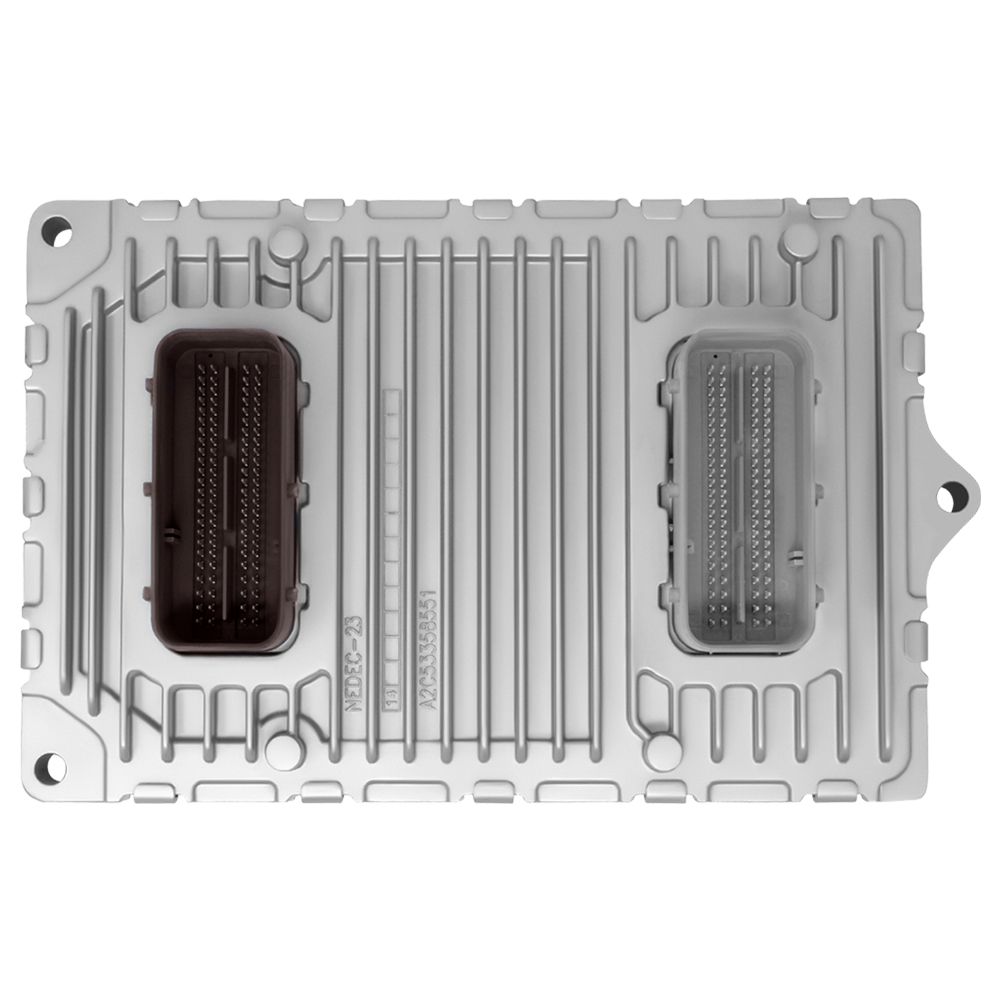
Flagship One stocks a refurbished, VIN-programmed PCM for the 2015 Dodge Journey with a lifetime warranty, free shipping and no core charge. The full Dodge Journey module lineup covers other engine configurations as well.
The 2015 Dodge Journey 3.6L’s PCM and ECM are essential for engine and transmission performance. With the correct replacement and a quick relearn, your vehicle can resume normal operation. Consider a reliable replacement module to keep your Journey running smoothly.