
Last updated on August 25th, 2026 at 11:58 am
The powertrain control module (PCM) or engine control module (ECM) in your 2013 Toyota Tundra 5.7L manages fuel injection, ignition timing, and transmission shifts. When it fails, you may experience no-start conditions, stalling, or diagnostic trouble code P0606, indicating an internal processor fault.
If your 2013 Toyota Tundra 5.7L is experiencing starting issues, stalling, or a check engine light, the powertrain control module (PCM) or engine control module (ECM) could be at fault. This module is the brain of the engine and transmission management system. This guide explains what the module does, where it is located, how replacement is performed, and what programming steps are needed. You will also learn about common symptoms and the specific trouble code P0606 that points to an internal module failure. Understanding these details helps you make an informed decision about repair or replacement.
The PCM/ECM in your 2013 Toyota Tundra 5.7L is a single computer that controls both engine and transmission functions. It receives input from sensors such as the crankshaft position sensor, throttle position sensor, and oxygen sensors, then adjusts fuel delivery, ignition timing, and shift points accordingly. This module also monitors system health and stores diagnostic trouble codes when something goes wrong. When the module itself fails, it can cause a range of drivability problems because it cannot process sensor data correctly. For this reason, replacement PCMs for the Tundra are often needed when internal faults like P0606 appear. The module is critical for maintaining performance, fuel economy, and emissions compliance.
2013 Toyota Tundra 5.7L
OEM programmed ECM for your 2013 Toyota Tundra 5.7L — plug & play, no dealer visit.
Free shipping · Lifetime warranty
The PCM/ECM on a 2013 Toyota Tundra 5.7L is mounted in the engine compartment, typically near the firewall on the passenger side. To access it, you must first remove the connector holder block that secures the wiring harness connectors to the module. The book labor time for removing and replacing the module is 0.5 hours. After installation, a separate 0.5-hour relearn procedure is required to synchronize the module with the vehicle’s systems. No special torque specifications are provided for the mounting hardware, but care should be taken to reconnect all connectors firmly and ensure the holder block is properly seated.
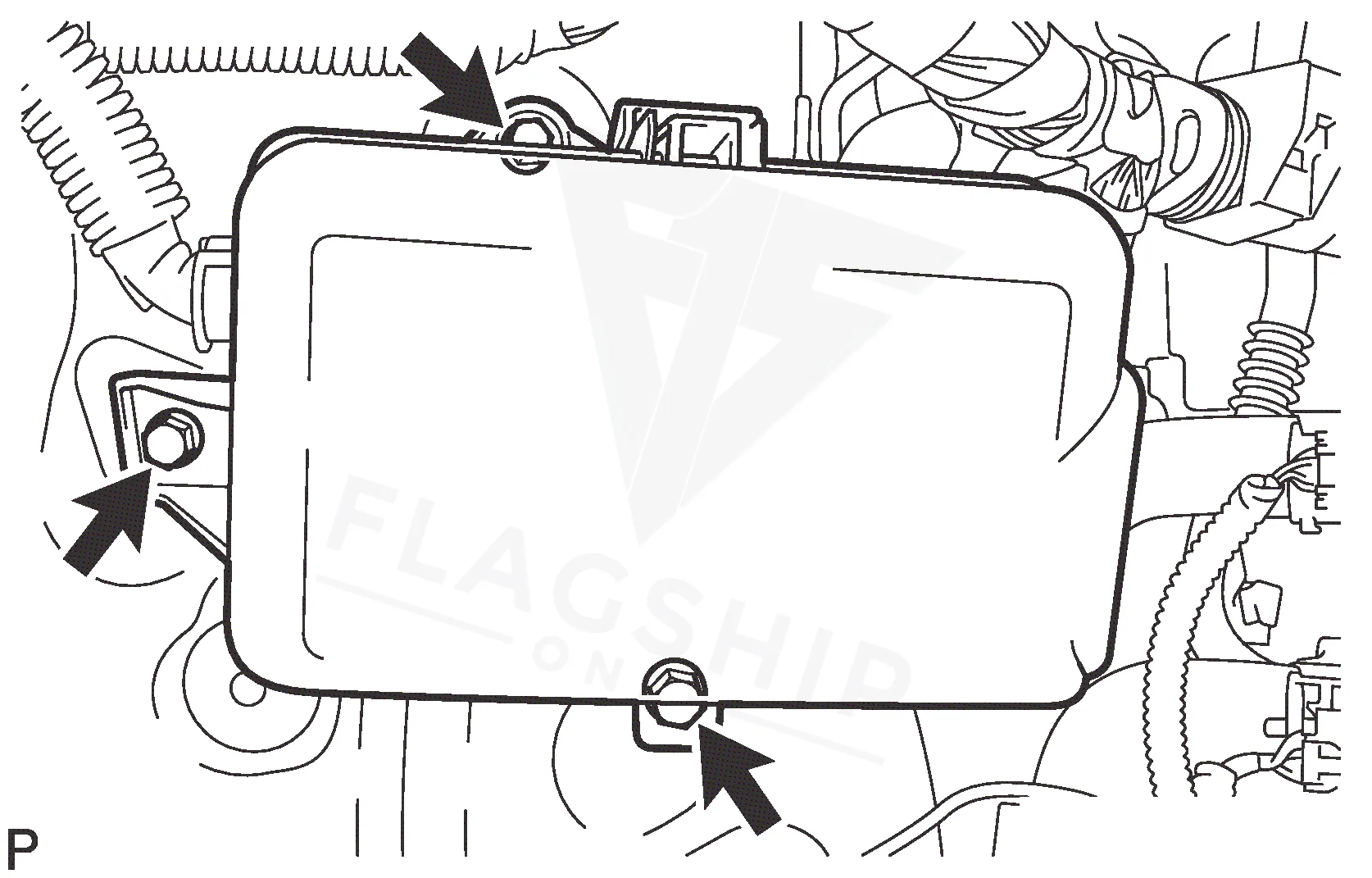
Work with the ignition off, and treat the module as static-sensitive: avoid touching the connector pins at any point.
| Operation | Configuration | Book Time |
|---|---|---|
| Engine Control Module Relearn | All configurations | 0.5 hr |
| Engine Control Module R&R | All configurations | 0.5 hr |
| Powertrain Control Module R&R | All configurations | 0.5 hr |
| Powertrain Control Module Relearn | All configurations | 0.5 hr |
After installing a new PCM/ECM in a 2013 Toyota Tundra 5.7L, the factory procedure requires a relearn process that takes 0.5 hours. This step involves using a scan tool to initialize the module and teach it the vehicle’s VIN, immobilizer data, and other parameters. Without this relearn, the module may not communicate with other systems or may cause drivability issues. Flagship One offers a VIN-programmed replacement unit that arrives with all necessary programming already completed. This means the 0.5-hour relearn step is eliminated, and the module is ready to install and drive.
Common symptoms of a failing PCM/ECM in a 2013 Toyota Tundra 5.7L include intermittent no-start conditions, stalling while driving, rough idle, and poor acceleration. You may also notice the check engine light illuminated with code P0606 internal processor fault stored in memory. Other signs include the transmission shifting erratically or failing to shift, reduced fuel economy, and the scan tool being unable to communicate with the module. In some cases, the engine may run but with noticeable misfires or hesitation. These symptoms can mimic other issues, so diagnosing the module directly is important.
The following diagnostic trouble code is specific to the PCM/ECM internal circuitry on the 2013 Tundra 5.7L. This code indicates a fault within the module itself rather than an external sensor or circuit.
| Code | Meaning | Full Guide |
|---|---|---|
| P0606 | Module processor failure | Full P0606 guide → |
P0606 indicates an internal processor fault within the PCM/ECM. This typically means the module has a hardware failure and needs to be replaced. It is not caused by an external sensor or wiring issue.
The book labor time for removing and installing the module is 0.5 hours. An additional 0.5 hours is required for the relearn procedure after installation. Access involves removing the connector holder block.
It is not recommended. A failing ECM can cause stalling, no-start conditions, or erratic transmission behavior, which may lead to unsafe driving situations. Have the module diagnosed and replaced as soon as possible.
For your 2013 Toyota Tundra 5.7L, you have two main options when the PCM/ECM fails: have the original module repaired by a specialist, or replace it with a refurbished unit. Replacement is often more reliable because internal failures can be difficult to fix permanently. Flagship One offers pre-programmed replacement modules that are ready to install, saving you the time and cost of a dealer relearn.
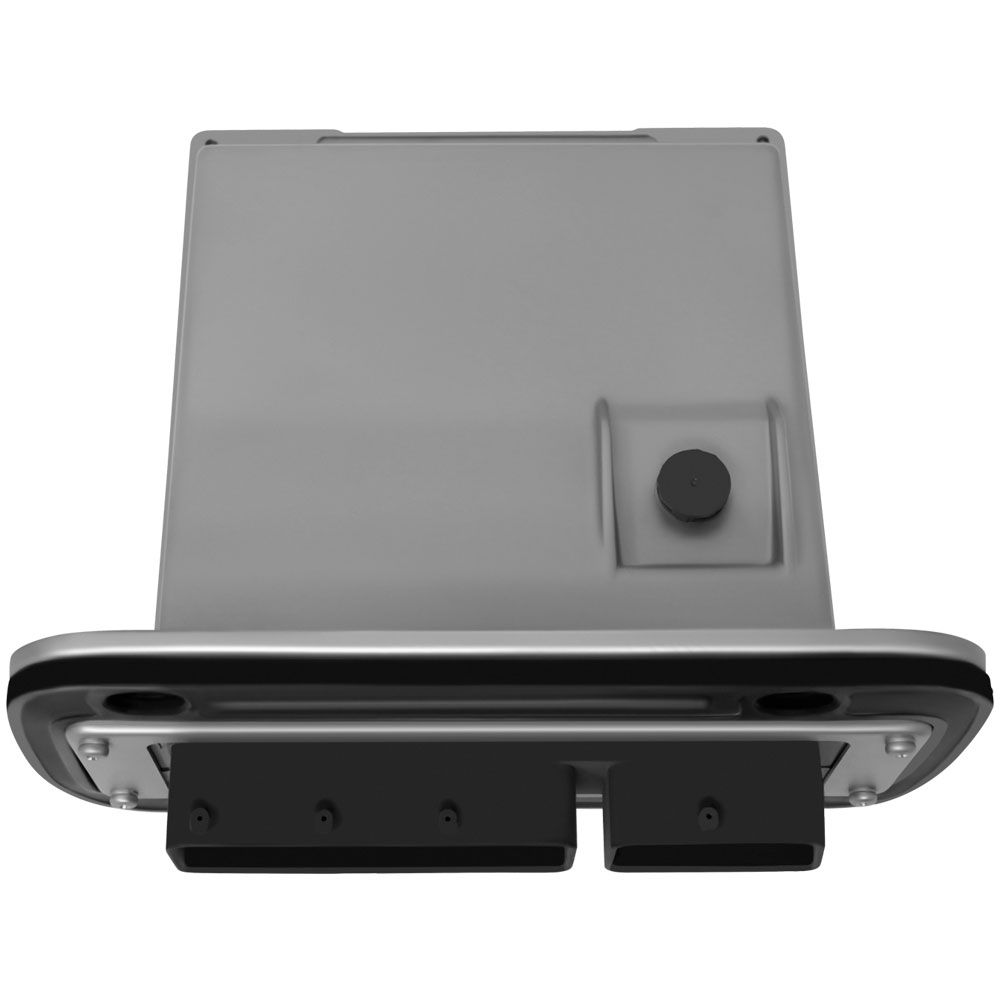
Flagship One stocks a refurbished, VIN-programmed PCM for the 2013 Toyota Tundra with a lifetime warranty, free shipping and no core charge. The full Toyota Tundra module lineup covers other engine configurations as well.
A properly functioning PCM/ECM is essential for the performance and reliability of your 2013 Toyota Tundra 5.7L. Whether you choose repair or replacement, ensure the module is correctly programmed for your vehicle. Flagship One provides VIN-programmed units that simplify the process and get you back on the road quickly.