
Last updated on August 25th, 2026 at 12:09 pm
The powertrain control module (PCM) in your 2013 Nissan Versa manages engine and transmission functions. Failure may cause stalling, poor performance, or a no-start condition, often linked to internal faults or electrical issues.
If your 2013 Nissan Versa suddenly stalls, refuses to start, or throws cryptic engine codes, the powertrain control module (PCM) may be the culprit. This small but critical computer oversees everything from fuel injection to transmission shifts, and when it fails, your vehicle’s performance can suffer dramatically. Unlike simpler components, the PCM isn’t just swapped and forgotten—it requires precise calibration to match your Versa’s specific configuration. Replacing it involves more than just unbolting the old unit; you’ll need to account for labor time, relearn procedures, and potential programming hurdles. Understanding these steps helps you avoid unexpected delays or costs, whether you’re tackling the job yourself or working with a shop. With the right replacement unit, much of the complexity is already handled, letting you focus on getting your Versa back on the road reliably.
The powertrain control module (PCM) in your 2013 Nissan Versa acts as the brain of the engine and transmission, coordinating fuel delivery, ignition timing, and shift points to keep the vehicle running smoothly. It constantly adjusts these parameters based on sensor inputs, ensuring optimal performance and efficiency. When the PCM malfunctions, you may notice symptoms like rough idling, hesitation under acceleration, or even a complete no-start condition. The module also plays a key role in emissions control, so a failure can trigger check-engine lights or cause your Versa to fail an emissions test. Replacing it isn’t as simple as plugging in a new part—replacement engine computers for the Versa must be programmed to match your vehicle’s VIN to avoid communication errors or drivability issues. Without proper calibration, the new module may not communicate with the transmission or other onboard systems, leading to further problems down the road.
2013 Nissan Versa
OEM programmed ECM for your 2013 Nissan Versa — plug & play, no dealer visit.
Free shipping · Lifetime warranty
In the 2013 Nissan Versa, the PCM is located in the engine bay, typically mounted near the firewall or fender well for easy access. Replacing it involves disconnecting the battery, removing the electrical connectors, and unbolting the module from its mount. The labor time for this procedure is generally 1.3 hours, according to factory estimates. Once the old unit is removed, the new PCM is installed in the same location, secured with the original bolts, and reconnected to the wiring harness. Torque specifications for the mounting bolts are usually provided in the service manual, though they’re often tight enough to ensure a secure fit without over-tightening. After installation, the battery is reconnected, and the vehicle may require a relearn procedure to synchronize the new module with the rest of the powertrain.
| Operation | Configuration | Book Time |
|---|---|---|
| Powertrain Control Module R&R | All configurations | 1.3 hr |
| Powertrain Control Module Relearn | All configurations | 0.5 hr |
| Engine Control Module R&R | All configurations | 1.3 hr |
| Engine Control Module Relearn | All configurations | 0.5 hr |
After replacing the PCM in your 2013 Nissan Versa, the factory procedure requires a 0.5-hour relearn process to ensure the new module communicates correctly with the engine, transmission, and other onboard systems. This step is critical—without it, the vehicle may run poorly, throw fault codes, or even fail to start. The relearn typically involves using a scan tool to reset adaptive values, clear stored codes, and recalibrate the module to your Versa’s specific configuration. However, if you install a VIN-programmed replacement unit, this step is already completed before the module arrives. The pre-programming matches the new PCM to your vehicle’s VIN, eliminating the need for dealer visits or additional programming tools. This not only saves time but also reduces the risk of errors during the relearn process, ensuring a smoother transition to the new module.
When the PCM in your 2013 Nissan Versa begins to fail, the symptoms can range from subtle to severe. You might notice the engine stalling unexpectedly, especially at idle or during deceleration, or the vehicle may hesitate or jerk under acceleration. In some cases, the Versa may refuse to start at all, leaving you stranded. Other common signs include rough idling, poor fuel economy, or the check-engine light illuminating with codes related to misfires or sensor malfunctions. If the PCM loses communication with the transmission, you may also experience erratic shifting or the transmission getting stuck in a single gear. Scan tool connectivity issues are another red flag—if the tool can’t communicate with the PCM, it’s often a sign of internal failure. One of the most telling indicators is the presence of module-specific codes like an internal control module fault, which directly points to a problem within the PCM itself. These symptoms can worsen over time, so addressing them promptly is key to avoiding more extensive repairs.
The 2013 Nissan Versa’s PCM may store specific trouble codes when internal faults occur. These codes help pinpoint the source of drivability issues or no-start conditions, making diagnosis more straightforward.
| Code | Meaning | Full Guide |
|---|---|---|
| P0605 | Internal ROM error | Full P0605 guide → |
The PCM controls fuel injection and ignition timing. When it malfunctions, it may send incorrect signals to the engine, causing it to stall or run poorly. This is often accompanied by codes like P0605, indicating an internal fault.
Driving with a failing PCM is risky. It may cause stalling, poor performance, or even a no-start condition. In some cases, the vehicle may enter a limp mode, limiting speed and power to prevent further damage.
Common signs include stalling, rough idling, or the check-engine light with codes like P0605. If a scan tool can’t communicate with the PCM, that’s another strong indicator of failure.
In the 2013 Nissan Versa, the terms PCM and ECM are often used interchangeably, but the PCM typically refers to the combined engine and transmission control module. Both manage critical powertrain functions.
A used PCM may work, but it must be programmed to your Versa’s VIN. Without proper programming, it may not communicate with the transmission or other systems, leading to drivability issues.
If your 2013 Nissan Versa is experiencing PCM-related issues, you have two main options: repair or replace. While repairs may be possible for minor electrical faults, a full replacement is often the most reliable solution. A new or refurbished PCM, pre-programmed to your VIN, eliminates the need for dealer reprogramming and ensures compatibility with your vehicle’s systems. This approach saves time and reduces the risk of recurring problems, making it a practical choice for long-term reliability.
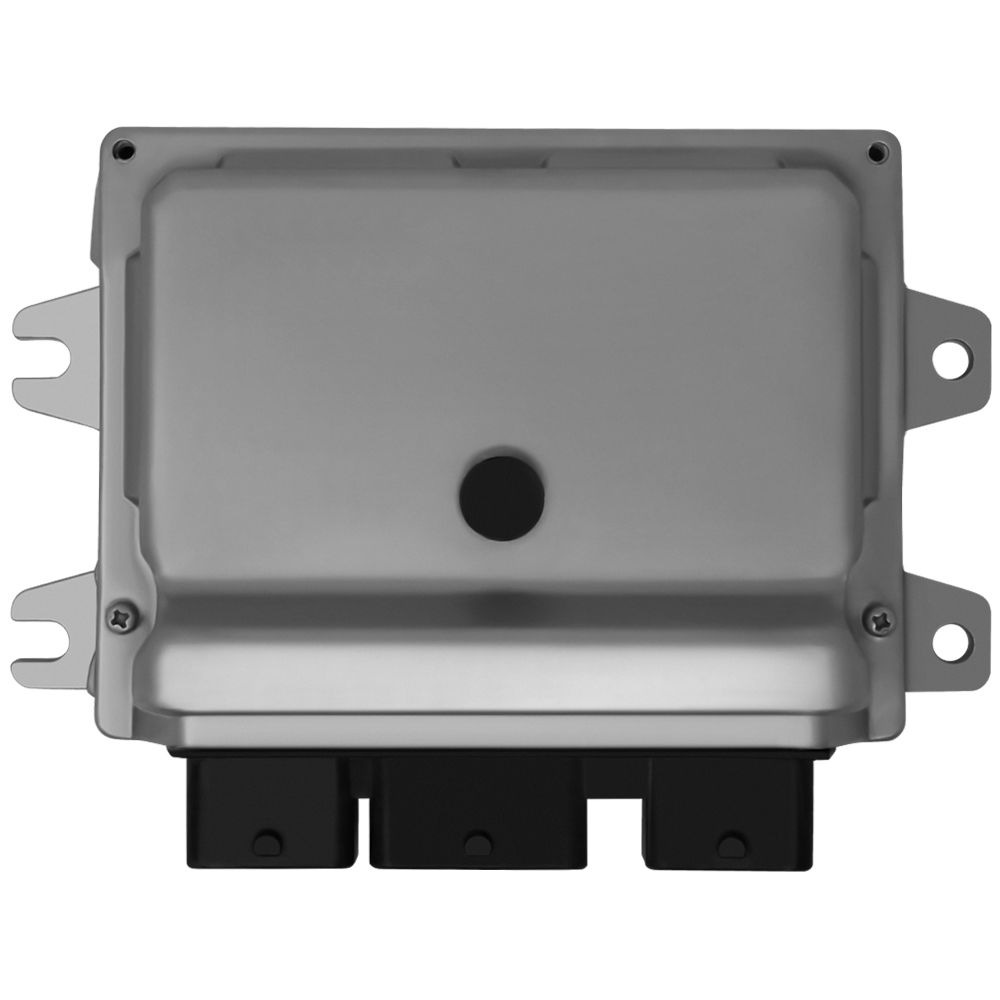
Flagship One stocks a refurbished, VIN-programmed PCM for the 2013 Nissan Versa with a lifetime warranty, free shipping and no core charge. The full Nissan Versa module lineup covers other engine configurations as well.
The PCM in your 2013 Nissan Versa is a critical component that keeps your engine and transmission running smoothly. If you’re dealing with stalling, no-start conditions, or persistent check-engine lights, a failing PCM could be the cause. Replacing it with a VIN-programmed unit ensures a seamless installation and avoids the hassle of additional programming. Addressing the issue promptly can restore your Versa’s performance and prevent more costly repairs down the road.