
Last updated on August 25th, 2026 at 01:14 pm
The Powertrain Control Module (PCM) in your 2011 Ford Flex manages engine and transmission functions. A failing PCM may cause erratic performance, no-start conditions, or stored trouble codes like P0606, indicating internal processor faults.
If your 2011 Ford Flex has been stalling, misfiring, or refusing to start, the Powertrain Control Module (PCM) may be the culprit. This small but critical computer oversees everything from fuel delivery to transmission shifting, and when it fails, your vehicle’s performance can suffer in noticeable ways. Diagnosing and replacing the PCM isn’t overly complex, but it does require careful attention to detail—especially when it comes to programming. Understanding the role of the PCM, the symptoms of failure, and the steps involved in replacement can help you make informed decisions about repairs. Whether you’re dealing with a no-start condition or intermittent drivability issues, knowing what to expect can save you time and frustration. This guide covers everything you need to know about the PCM in your 2011 Ford Flex, from its location and function to the signs of failure and the best practices for replacement and programming.
The Powertrain Control Module (PCM) in your 2011 Ford Flex is the brain behind your engine and transmission. It continuously monitors sensors throughout the vehicle to optimize fuel injection, ignition timing, and shift points for smooth operation. Without a properly functioning PCM, your Flex may struggle to start, run inefficiently, or even enter a fail-safe mode that limits performance. The module also plays a key role in emissions control, ensuring your vehicle meets regulatory standards. When the PCM fails, it often triggers specific trouble codes, such as P0606, which point to internal processor errors. Replacing the PCM isn’t just about swapping hardware; it’s about restoring the precise communication between your engine’s components. For owners of the 2011 Ford Flex, replacement powertrain control modules for the Flex are designed to integrate seamlessly with the vehicle’s existing systems, provided they are correctly programmed to match your VIN. This ensures that all engine and transmission parameters are calibrated for your specific vehicle, avoiding drivability issues or additional diagnostic trouble codes.
2011 Ford Flex 3.5L
OEM programmed ECM for your 2011 Ford Flex 3.5L — plug & play, no dealer visit.
Free shipping · Lifetime warranty
In the 2011 Ford Flex, the PCM is located in the engine bay, typically mounted on the passenger side near the firewall. Accessing it requires removing a few plastic covers and possibly the air intake duct, but the module itself is secured with a single bolt or clip. Once the electrical connector is unplugged, the PCM can be removed and replaced with minimal effort. According to factory labor estimates, the entire removal and replacement process should take approximately 0.9 hours. This includes disconnecting the battery, removing the old module, and installing the new one. It’s important to handle the PCM carefully, as static electricity or physical damage can compromise its functionality. After installation, the electrical connector must be securely reattached to ensure proper communication with the vehicle’s sensors and systems.
| Operation | Configuration | Book Time |
|---|---|---|
| Powertrain Control Module R&R | All configurations | 0.9 hr |
| Powertrain Control Module Relearn | All configurations | 0.5 hr |
| Engine Control Module Relearn | All configurations | 0.5 hr |
| Engine Control Module R&R | All configurations | 0.9 hr |
After replacing the PCM in your 2011 Ford Flex, the factory procedure requires a relearn process to synchronize the new module with the vehicle’s systems. This typically involves using a scan tool to perform an Engine Control Module (ECM) or Powertrain Control Module (PCM) relearn, which can take up to 0.5 hours. The relearn ensures that the PCM recognizes the engine’s sensors, transmission, and other critical components, allowing for optimal performance. However, if you opt for a VIN-programmed replacement unit, these steps are already completed before the module arrives. This means you can install the PCM and drive your Flex without additional programming, saving time and reducing the risk of errors during the relearn process. Flagship One units are pre-programmed to match your vehicle’s VIN, eliminating the need for dealer visits or specialized equipment to complete the installation.
A failing PCM in your 2011 Ford Flex may exhibit a range of symptoms, some of which can be intermittent or progressively worsen over time. One of the most common signs is a no-start condition, where the engine cranks but refuses to fire. This often occurs because the PCM is unable to communicate with the fuel injectors or ignition system. Stalling or rough idling may also indicate PCM issues, particularly if the engine cuts out unexpectedly or struggles to maintain a steady RPM. Misfires are another frequent symptom, as the PCM controls ignition timing and fuel delivery—any disruption in these processes can lead to uneven combustion. In some cases, the vehicle may enter a fail-safe mode, limiting engine power or preventing the transmission from shifting properly. Scan tool communication errors are also a red flag; if your diagnostic tool cannot establish a connection with the PCM, it may be due to internal module failure. Trouble codes like an internal processor fault are often stored in the PCM’s memory, pointing directly to the source of the problem. If you notice any of these symptoms, it’s worth investigating the PCM as a potential cause, especially if other common issues like spark plugs or fuel pumps have been ruled out.
The 2011 Ford Flex may store specific trouble codes when the PCM experiences internal faults. These codes help pinpoint the issue and guide the diagnostic process.
| Code | Meaning | Full Guide |
|---|---|---|
| P0606 | Module processor failure | Full P0606 guide → |
Intermittent stalling in your 2011 Ford Flex may be linked to a failing PCM, particularly if the module is unable to maintain consistent communication with the engine’s sensors. The PCM controls fuel delivery and ignition timing, so any disruption in these processes can cause the engine to cut out unexpectedly. If other common causes like fuel pump failure or vacuum leaks have been ruled out, the PCM should be inspected for internal faults or stored trouble codes.
If your 2011 Ford Flex is exhibiting symptoms like a no-start condition, persistent misfires, or scan tool communication errors, the PCM may need replacement. Reprogramming is typically only effective if the issue is software-related, such as corrupted data. However, if the module has internal hardware failure—indicated by codes like P0606—replacement is often the only solution. A diagnostic scan can help determine whether the problem is repairable with reprogramming or if a new module is required.
Replacing the PCM in your 2011 Ford Flex is a straightforward process that many DIYers can handle, provided they have basic tools and follow proper precautions. However, the factory requires a relearn procedure after installation, which may require a scan tool or professional assistance. If you’re not comfortable with electrical work or programming, it’s best to have the replacement done by a qualified technician to avoid potential issues with the vehicle’s performance.
Installing a used PCM in your 2011 Ford Flex without reprogramming it to match your VIN can lead to a range of drivability issues. The module may not recognize your vehicle’s specific engine and transmission parameters, resulting in poor performance, shifting problems, or even a no-start condition. Additionally, the PCM may store incorrect data, leading to false trouble codes or inefficient operation. To avoid these issues, the used PCM must be reprogrammed to your vehicle’s VIN before installation.
A P0606 code in your 2011 Ford Flex indicates an internal processor fault within the PCM. This code suggests that the module’s hardware is failing, which can lead to erratic engine behavior, stalling, or communication errors with diagnostic tools. While the code itself doesn’t specify the exact cause, it typically means the PCM will need to be replaced, as internal processor faults are rarely repairable. Ignoring this code may result in further drivability issues or even a complete loss of engine control.
If your 2011 Ford Flex is experiencing PCM-related issues, you have a few options for moving forward. A repair may be possible if the problem is limited to software or minor electrical faults, but if the module has internal hardware failure, replacement is often the most reliable solution. Opting for a pre-programmed replacement unit can save you time and hassle, as it eliminates the need for post-installation programming. Whether you choose to tackle the replacement yourself or leave it to a professional, understanding the process and symptoms can help you make the best decision for your vehicle.
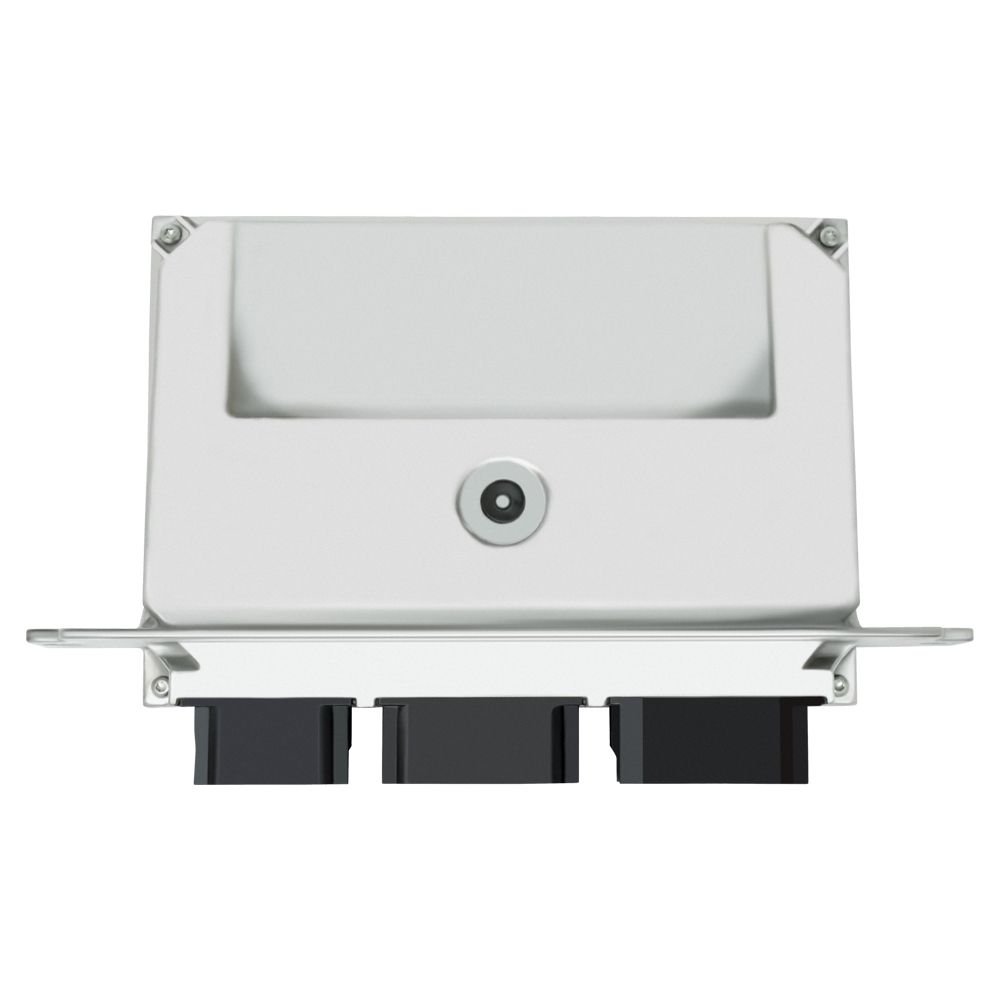
Flagship One stocks a refurbished, VIN-programmed PCM for the 2011 Ford Flex with a lifetime warranty, free shipping and no core charge. The full Ford Flex module lineup covers other engine configurations as well.
The PCM in your 2011 Ford Flex plays a critical role in ensuring smooth engine and transmission operation. If you’re dealing with symptoms like stalling, misfires, or a no-start condition, the PCM may be the root cause. Replacing it with a pre-programmed unit can restore your vehicle’s performance without the need for additional programming steps. By addressing PCM issues promptly, you can avoid further complications and keep your Flex running reliably for years to come.