
Last updated on August 25th, 2026 at 12:28 pm
The PCM in the 2010 Pontiac G5 controls engine timing, fuel injection, and emissions. When it fails, the vehicle may stall, misfire, or refuse to start, compromising performance and safety.
When a 2010 Pontiac G5 experiences erratic engine behavior—such as sudden stalling, misfires, or a no-start condition—engineers often suspect the Powertrain Control Module (PCM). The PCM orchestrates the vehicle’s fuel delivery, ignition timing, and emissions controls, so its failure can ripple through many systems. Understanding the PCM’s role, how to safely replace it, and the steps required for proper reprogramming can save time and prevent further damage. This guide walks you through the key facts, symptoms, and best practices for handling the PCM in your 2010 Pontiac G5, ensuring you know exactly what to look for and how to proceed with a reliable replacement.
The PCM in the 2010 Pontiac G5 is the central electronic brain that governs engine operation, transmission shifts, and emissions. It receives sensor data and sends commands to injectors, spark plugs, and other actuators. A malfunctioning PCM can cause a cascade of symptoms, from misfires to shifting problems, because it misinterprets or fails to relay critical data. 2010 Pontiac G5 engine computer is required for proper operation, and its integrity is vital for the vehicle’s performance and compliance with emissions regulations.
The PCM is located under the driver’s seat, behind the dash area. Replacing it involves removing the seat cushion, accessing the module with a 10‑inch socket, and disconnecting the electrical connectors. After removal, the new unit is installed by re‑attaching the connectors and securing the module with the same mounting hardware. No special torque specifications are provided in the available data.
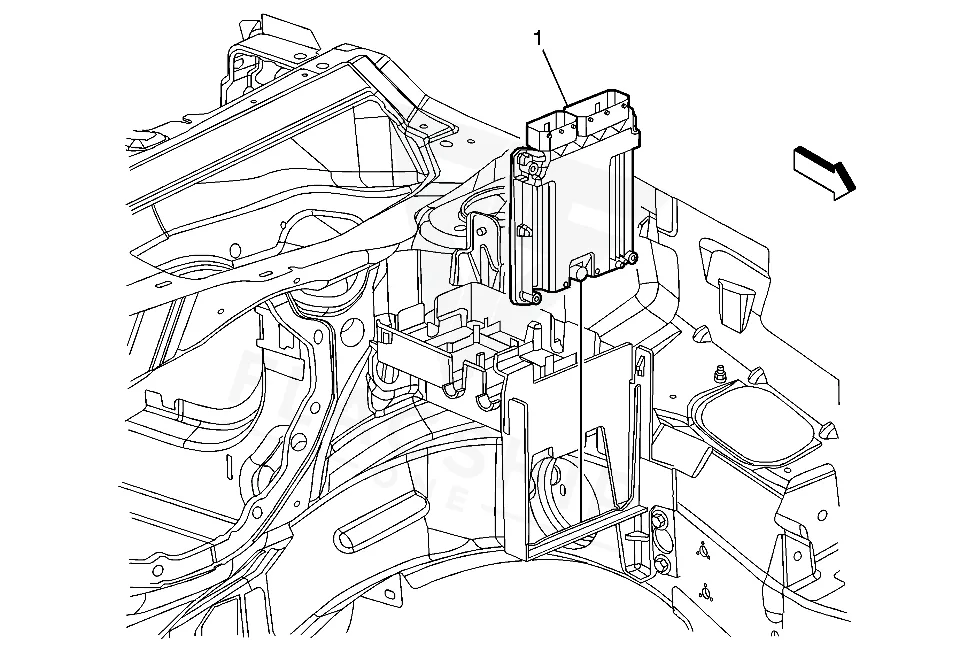
Work with the ignition off, and treat the module as static-sensitive: avoid touching the connector pins at any point.
2010 Pontiac G5
OEM programmed ECM for your 2010 Pontiac G5 — plug & play, no dealer visit.
Free shipping · Lifetime warranty
After installing a new PCM, the factory requires a scan tool to capture existing ECM data and reprogram the unit with the correct calibration. Flagship One units arrive VIN‑programmed, so the capture and calibration steps are already completed. This eliminates the need for post‑install programming, reducing labor and ensuring the module operates with the vehicle’s specific settings. VIN‑programmed replacement unit is ready for immediate use.
Common signs of a failing PCM in the 2010 Pontiac G5 include a sudden loss of power, irregular engine idle, and trouble starting. You may also see misfire codes or shifting irregularities. When the PCM’s internal diagnostics detect issues, the engine may shut down to protect itself. One frequently reported fault is Powertrain Control Module Failure, which indicates a general PCM communication problem. Other codes such as P0602, P0603, and P0604 point to related internal errors. If these codes appear, the PCM may need replacement.
The 2010 Pontiac G5 can generate several PCM‑specific trouble codes, ranging from P0601 to P167D. These codes help technicians identify the precise nature of the internal fault and guide the repair process.
| Code | Meaning | Full Guide |
|---|---|---|
| P0601 | Internal memory checksum error | Full P0601 guide → |
| P0602 | Control module programming error | Full P0602 guide → |
| P0603 | Keep-alive memory (KAM) error | Full P0603 guide → |
| P0604 | Internal RAM error | Full P0604 guide → |
| P0606 | Module processor failure | Full P0606 guide → |
| P062F | Internal EEPROM error | Full P062F guide → |
| P064D | Module-internal fault | — |
| P1621 | Control module long-term memory performance | Full P1621 guide → |
| P167D | Module-internal fault | — |
Factory service bulletins for the 2010 Pontiac G5 include #05-07-30-016 #05-07-30-016C, which warns of a TCM shorting to battery voltage during diagnosis, service, or jump starting. Bulletin #PIC5356A addresses AC compressor engagement issues linked to zero PSI readings in ECM data. These bulletins highlight potential electrical faults that can affect PCM operation.
| Bulletin | Subject | What It Addresses |
|---|---|---|
| 05-07-30-016 | Transmission Control Module (TCM) Shorted to Battery Voltage During Diagnosis, Service or Jump | — |
| — | AC Compressor Will Not Engage – AC Pressure In The ECM Data Reads 0 PSI – No DTCs – (Jun 22, 20 | — |
The 2010 Pontiac G5 uses a PCM that integrates engine and transmission controls. A compatible replacement will match the vehicle’s VIN and include the correct calibration for the 2.2L engine. Flagship One supplies units that are VIN‑programmed for this model.
The factory procedure requires capturing ECM data and applying the correct calibration. However, Flagship One’s units come already VIN‑programmed, so no additional programming steps are needed after installation.
Avoid contacting the metal case of the PCM with battery voltage. Use proper tools, keep connectors clean, and follow the manufacturer’s service instructions to prevent damage.
After installation, connect a scan tool to verify that no diagnostic trouble codes are present and that the engine runs smoothly. You can also monitor engine performance during a short test drive.
Bulletins #05-07-30-016 #05-07-30-016C and #PIC5356A address electrical issues that can affect the PCM and related systems. Reviewing these can help anticipate potential complications.
When your 2010 Pontiac G5’s PCM shows signs of failure, you have options. A refurbished replacement unit from Flagship One offers a reliable, cost‑effective alternative to new parts, while still meeting the vehicle’s exact specifications. Choosing the right replacement ensures your engine stays responsive and compliant with emissions standards.
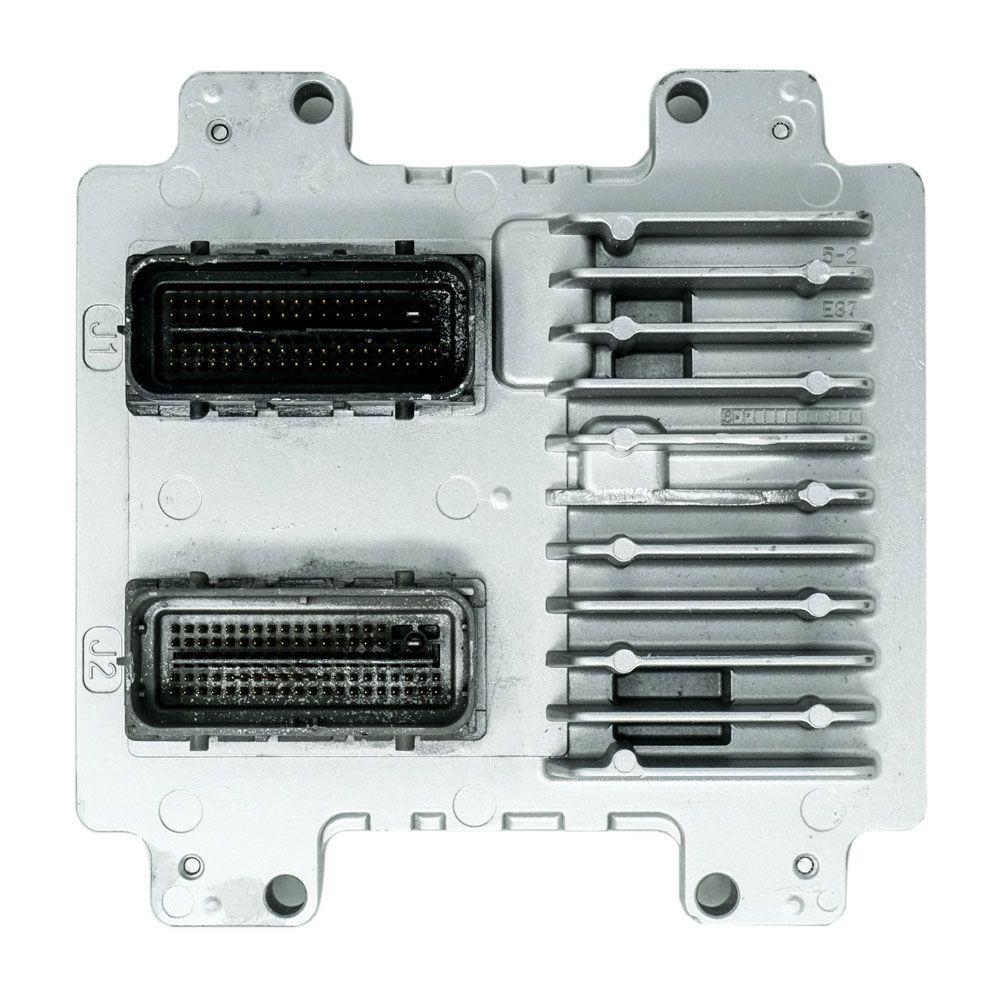
Flagship One stocks a refurbished, VIN-programmed ECM for the 2010 Pontiac G5 with a lifetime warranty, free shipping and no core charge. The full Pontiac G5 module lineup covers other engine configurations as well.
If you own a 2010 Pontiac G5, keeping the PCM in good condition is essential for smooth engine operation and compliance. A timely replacement with a VIN‑programmed unit from Flagship One can restore performance and prevent further complications. Contact us today to discuss how we can support your vehicle’s needs.