
Last updated on August 25th, 2026 at 02:06 pm
The Engine Control Module (ECM) in the 2010 Lexus IS250 manages fuel injection, ignition timing, and emissions systems. Failure may cause drivability issues, including stalling or inability to start, often triggered by internal processor faults.
If your 2010 Lexus IS250 is experiencing intermittent stalling, a no-start condition, or warning lights on the dashboard, the Engine Control Module (ECM) may be the source. This small but critical computer manages fuel delivery, ignition timing, and emissions systems. When it fails, symptoms can range from subtle drivability issues to complete engine shutdown. Replacing the ECM involves removing the old unit, installing a new one, and performing a factory-mandated relearn procedure. Understanding the process helps you anticipate labor costs and avoid unnecessary delays, especially if you opt for a unit that arrives ready to install without additional programming.
The Engine Control Module in your 2010 Lexus IS250 acts as the brain of the engine, continuously adjusting fuel injection, ignition timing, and idle speed based on sensor inputs. It also monitors emissions systems to ensure compliance with regulations. A faulty ECM may cause erratic engine behavior, poor fuel economy, or even prevent the vehicle from starting. When replacement becomes necessary, you’ll need a compatible replacement engine computers for the Lexus IS250 to restore proper operation. The module’s precise control over engine functions makes it essential for maintaining performance and reliability.
2010 Lexus IS250
OEM programmed replacements — plug & play, no dealer visit.
Find yours by year, make & model →
Free shipping · Lifetime warranty
The ECM in the 2010 Lexus IS250 is located in the engine bay, typically mounted near the firewall or on the passenger side strut tower. Replacement involves disconnecting the battery, removing the electrical connectors, and unbolting the module from its mount. The labor time for this procedure is typically 0.7 hours, as specified in repair manuals. Once the old unit is removed, the new ECM is installed in the same location, with connectors reattached and bolts tightened to factory torque specifications. No additional disassembly is required beyond accessing the module itself.
| Operation | Configuration | Book Time |
|---|---|---|
| Powertrain Control Module R&R | All configurations | 0.7 hr |
| Engine Control Module R&R | All configurations | 0.7 hr |
| Engine Control Module Relearn | All configurations | 0.5 hr |
After installing a new ECM in your 2010 Lexus IS250, the factory procedure requires a 0.5-hour relearn process to synchronize the module with the vehicle’s systems. This step ensures proper communication with sensors and other control modules. However, if you choose a VIN-programmed replacement unit, this programming is already completed, saving you time and eliminating the need for specialized equipment. The module arrives ready to install, allowing you to focus on mechanical fitment rather than software setup.
A failing ECM in the 2010 Lexus IS250 may cause a range of symptoms, including intermittent stalling, rough idle, or a no-start condition. You might also notice poor acceleration, reduced fuel economy, or warning lights on the dashboard. In some cases, the vehicle may enter a limp-home mode, limiting engine power to prevent further damage. If the module’s internal processor malfunctions, it may trigger a control module processor fault, which often appears alongside other drivability issues. These symptoms can worsen over time, making prompt diagnosis important.
The 2010 Lexus IS250 may log specific trouble codes when the ECM experiences internal faults. These codes help pinpoint the issue and guide repairs.
| Code | Meaning | Full Guide |
|---|---|---|
| P0606 | Module processor failure | Full P0606 guide → |
Lexus has issued service bulletins outlining the reprogramming procedures for the ECM in applicable models. Bulletin L-SB-0015-10 covers the Techstream ECU flash process for 2001–2011 Lexus vehicles, including the IS250. A separate bulletin, L-TCI-2401, provides similar guidance for Canadian-market models from 2001–2008. These bulletins detail the steps required to update or restore ECM software using factory tools, ensuring compatibility with the vehicle’s systems.
| Bulletin | Subject | What It Addresses |
|---|---|---|
| — | ’01-08 All Applicable Lexus Models: Techstream ECU Flash Reprogramming Procedure (Canada) | — |
| — | 01-11 Applicable Lexus Vehicles: Techstream ECU Flash Reprogramming Procedure | — |
Common signs include intermittent stalling, a no-start condition, or warning lights on the dashboard. You may also experience rough idle, poor acceleration, or reduced fuel economy. A diagnostic scan can reveal trouble codes like P0606, which often indicate an internal ECM fault.
Replacement is mechanically straightforward, involving disconnecting the battery, removing connectors, and unbolting the module. However, the factory requires a 0.5-hour relearn procedure afterward. If you’re not equipped to perform this step, a pre-programmed unit may simplify the process.
Ignoring ECM-related codes may lead to worsening drivability issues, such as stalling or a no-start condition. Over time, the problem could trigger additional faults in other systems, potentially increasing repair costs. Addressing the issue promptly helps maintain reliability.
When the ECM in your 2010 Lexus IS250 fails, you have two primary options: repair the existing unit or replace it with a new or refurbished module. A replacement ECM eliminates the uncertainty of internal faults and, if pre-programmed, reduces installation time. Given the labor involved, choosing a unit that arrives ready to install can streamline the process and get your vehicle back on the road faster.
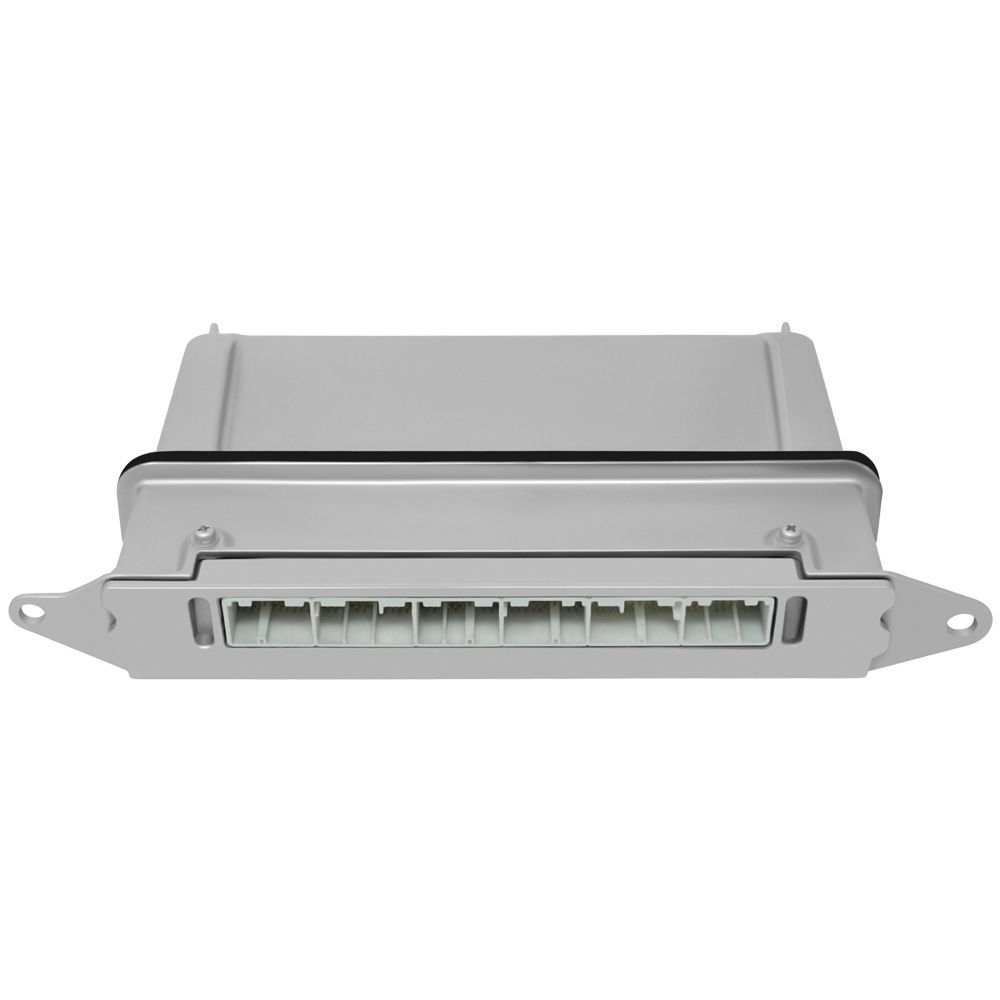
Flagship One stocks a refurbished, VIN-programmed PCM for the 2010 Lexus IS250 with a lifetime warranty, free shipping and no core charge. The full Lexus IS250 module lineup covers other engine configurations as well.
The 2010 Lexus IS250 relies on its ECM to manage critical engine functions, and a failing module can disrupt performance and reliability. Whether you opt for a repair or replacement, understanding the symptoms, labor requirements, and programming steps helps you make an informed decision. With the right approach, you can restore your vehicle’s drivability and avoid unnecessary downtime.