
Last updated on August 25th, 2026 at 02:07 pm
The Engine Control Module (ECM) in your 2006 Lexus IS250 manages fuel injection, ignition timing, and emissions systems. Failures may cause drivability issues, poor performance, or stored trouble codes related to internal processor faults.
If your 2006 Lexus IS250 has been experiencing unexplained stalling, rough idling, or a no-start condition, the Engine Control Module (ECM) may be the culprit. This small but critical computer manages nearly every aspect of your engine’s performance, from fuel delivery to ignition timing. When it fails, the symptoms can range from subtle drivability issues to complete engine shutdown. Understanding the role of the ECM, how to identify potential failures, and what replacement involves can help you make informed decisions about repairs. This guide covers the essentials: where the ECM is located, what labor to expect, common symptoms of failure, and how a pre-programmed replacement unit can streamline the process. Whether you’re diagnosing an existing issue or planning ahead, knowing these details ensures you’re prepared for what comes next.
The Engine Control Module (ECM) in your 2006 Lexus IS250 is the brain behind your engine’s operation. It continuously monitors data from sensors throughout the vehicle to optimize fuel injection, ignition timing, and emissions control. This ensures your engine runs efficiently, delivers smooth power, and meets emissions standards. The ECM also communicates with other onboard systems, such as the transmission and traction control, to coordinate performance under varying driving conditions. When the ECM malfunctions, it can disrupt these processes, leading to poor fuel economy, rough idling, or even a complete loss of engine function. Replacing a faulty ECM with replacement engine computers for the IS250 is often necessary to restore proper operation. Because the ECM is so integral to your vehicle’s performance, addressing issues promptly can prevent further complications, such as catalytic converter damage or transmission shifting problems.
2006 Lexus IS250
OEM programmed replacements — plug & play, no dealer visit.
Find yours by year, make & model →
Free shipping · Lifetime warranty
In the 2006 Lexus IS250, the ECM is located in the engine bay, typically mounted near the firewall or on the passenger side of the vehicle. Accessing it requires removing a protective cover or panel, which may involve disconnecting the battery and relieving fuel system pressure as a safety precaution. Once exposed, the ECM is secured with bolts or a mounting bracket, and its electrical connectors must be carefully disconnected to avoid damaging the pins. Reinstalling the ECM follows the reverse procedure, ensuring all connectors are properly seated and the mounting hardware is tightened to specification. Labor for removal and replacement is typically billed at 0.7 hours, according to factory guidelines. While the process is straightforward for a professional, improper handling can lead to connector damage or misalignment, so care is essential during installation.
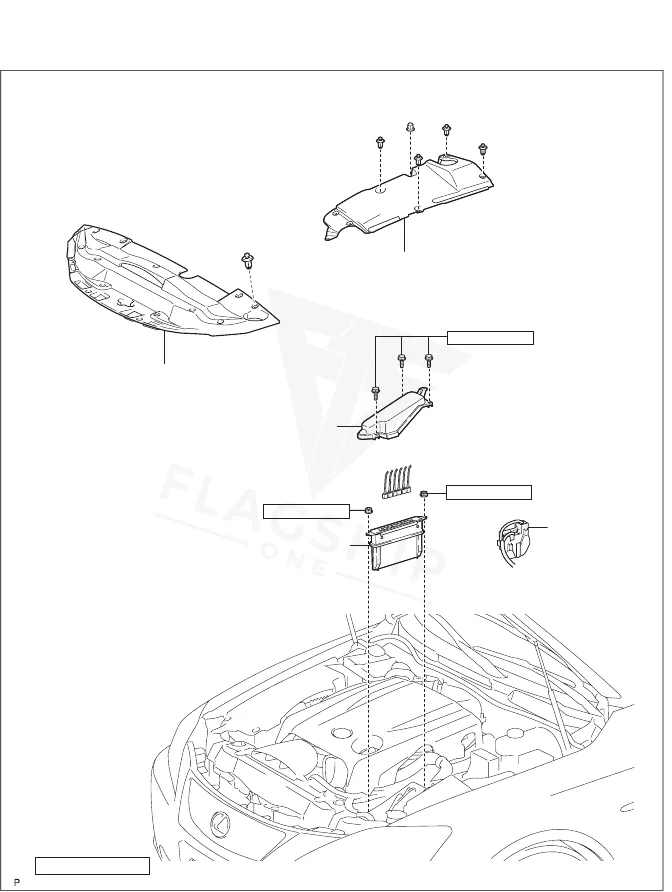
Work with the ignition off, and treat the module as static-sensitive: avoid touching the connector pins at any point.
| Operation | Configuration | Book Time |
|---|---|---|
| Powertrain Control Module Relearn | All configurations | 0.5 hr |
| Engine Control Module R&R | All configurations | 0.7 hr |
| Engine Control Module Relearn | All configurations | 0.5 hr |
After replacing the ECM in your 2006 Lexus IS250, the vehicle typically requires a relearn procedure to synchronize the new module with the engine and other onboard systems. This process, which takes about 0.5 hours of labor, ensures the ECM adapts to your specific vehicle’s operating parameters, such as fuel trim and idle settings. Without this step, you may experience poor performance, rough idling, or even a no-start condition. However, opting for a VIN-programmed replacement unit eliminates the need for this additional programming. These units arrive pre-configured to match your vehicle’s VIN, allowing for a plug-and-play installation. This not only saves time but also reduces the risk of complications that can arise from improper relearn procedures. Always confirm that the replacement unit is compatible with your IS250’s engine and model year to avoid compatibility issues.
When the ECM in your 2006 Lexus IS250 begins to fail, the symptoms can vary widely, but they often include noticeable drivability issues. One of the most common signs is a no-start condition, where the engine cranks but fails to fire. Stalling or rough idling, particularly when the engine is cold, may also occur as the ECM struggles to maintain proper fuel and ignition timing. You might notice poor acceleration or hesitation under load, as the module fails to adjust fuel delivery correctly. Another red flag is the illumination of the check engine light, often accompanied by stored trouble codes. For this vehicle, codes like internal control module processor fault are frequently logged, indicating a failure within the ECM’s internal circuitry. In some cases, the vehicle may enter a limp-home mode, limiting engine power to prevent further damage. If your scan tool fails to communicate with the ECM, that’s another strong indicator of a module failure. Addressing these symptoms promptly can prevent more severe issues, such as transmission shifting problems or catalytic converter damage, which can result from prolonged misfires or improper fuel mixtures.
The 2006 Lexus IS250 may store specific trouble codes when the ECM experiences internal faults. These codes are critical for diagnosing the root cause of drivability issues and determining whether the ECM needs replacement or reprogramming.
Common signs include a no-start condition, stalling, rough idling, or the illumination of the check engine light with stored trouble codes like P0606 or P0607. If your scan tool cannot communicate with the ECM, that’s another strong indicator of a module failure. These symptoms often point to internal processor faults or electrical issues within the ECM.
While the ECM is accessible in the engine bay, replacement requires careful handling of electrical connectors and may involve safety steps like disconnecting the battery. If you’re not experienced with automotive electronics, it’s best to have a professional perform the replacement to avoid damaging the new module or connectors. The labor time for removal and installation is typically 0.7 hours.
Skipping the relearn procedure may result in poor engine performance, rough idling, or even a no-start condition. The relearn ensures the new ECM adapts to your vehicle’s specific operating parameters, such as fuel trim and idle settings. Without it, the ECM may not function optimally, leading to drivability issues or stored trouble codes.
Repeated ECM failures may be caused by electrical issues, such as voltage spikes from a faulty alternator or poor grounding. Moisture intrusion, corrosion in the connectors, or improper jump-starting can also damage the module. Addressing these underlying issues is critical to preventing future failures. Regular maintenance of the charging system and electrical connections can help protect the ECM.
While OEM parts are designed to meet factory specifications, aftermarket replacement ECMs can also be a reliable option if they are VIN-programmed and compatible with your vehicle. Using a pre-programmed unit eliminates the need for additional programming steps, making the installation process more straightforward. Always ensure the replacement unit is designed for your specific model and engine.
If your 2006 Lexus IS250 is exhibiting symptoms of ECM failure, you have a few options for moving forward. A repair shop can diagnose the issue and perform a replacement, which may involve additional labor for programming and relearn procedures. Alternatively, opting for a pre-programmed replacement ECM can simplify the process, as these units arrive ready to install and eliminate the need for post-installation programming. This can save time and reduce the risk of complications during the repair. Whether you choose a new or refurbished unit, ensure it’s compatible with your IS250’s engine and model year to avoid compatibility issues.
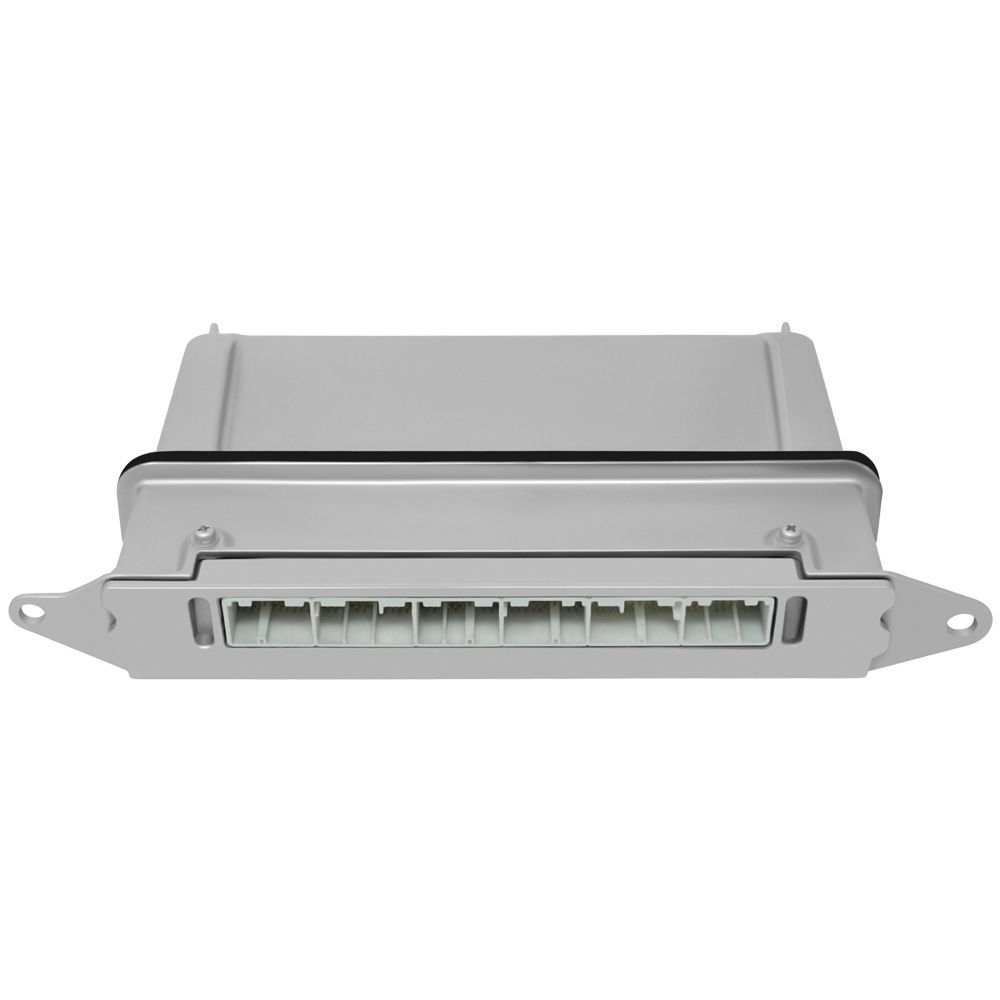
Flagship One stocks a refurbished, VIN-programmed PCM for the 2006 Lexus IS250 with a lifetime warranty, free shipping and no core charge. The full Lexus IS250 module lineup covers other engine configurations as well.
The Engine Control Module in your 2006 Lexus IS250 plays a vital role in ensuring smooth engine operation and optimal performance. If you’re experiencing symptoms like stalling, rough idling, or a no-start condition, the ECM may be the source of the problem. Understanding the replacement process, labor requirements, and the benefits of a pre-programmed unit can help you make an informed decision. Addressing ECM issues promptly can prevent further complications and keep your IS250 running reliably. Whether you opt for a professional repair or a DIY approach, ensuring the replacement unit is properly programmed is key to a successful outcome.