
Last updated on August 25th, 2026 at 01:58 pm
The powertrain control module in a 2009 Mazda B4000 manages engine timing, fuel delivery, and emissions controls. Failure of this unit can cause no‑start conditions, erratic idle, or loss of diagnostic communication, often requiring removal and replacement.
When a 2009 Mazda B4000 exhibits intermittent no‑start behavior, rough idle, or unexpected loss of power‑train warning lights, the powertrain control module (PCM) is a common suspect. Understanding how the PCM functions, where it resides, and what steps are required after replacement can save you time and avoid costly re‑work. This guide walks you through the basic diagnosis, removal, and post‑install procedures specific to the B4000, so you know exactly what to expect and how to ensure the repair is completed correctly.
The powertrain control module in the 2009 Mazda B4000 acts as the brain for the engine and transmission, interpreting sensor data to control fuel injection, ignition timing, and shift points. By continuously monitoring inputs such as crankshaft position, throttle position, and exhaust oxygen levels, the PCM optimizes performance while meeting emissions standards. Because the B4000 relies on electronic control for both diesel and gasoline variants, a malfunctioning PCM can quickly manifest as a no‑start condition or erratic shifting. The module also communicates with the instrument cluster to display diagnostic codes and status messages. Proper operation is essential for fuel efficiency and emissions compliance. replacement engine computers for the Mazda B4000 are designed to match the original specifications and retain the same communication protocols.
2009 Mazda B4000
OEM programmed replacements — plug & play, no dealer visit.
Find yours by year, make & model →
Free shipping · Lifetime warranty
The PCM in a 2009 Mazda B4000 is mounted within the engine compartment, typically attached to the firewall or near the intake manifold. Access usually requires removal of a few fasteners and disconnecting the wiring harnesses. According to the labor guide, removing and reinstalling the module, including any necessary relearn procedures, is allotted 0.5 hours for both the B4000 specific removal and the subsequent relearn step. Technicians should verify connector integrity and torque any mounting bolts to the manufacturer’s specifications if they are provided in the service manual.
Work with the ignition off, and treat the module as static-sensitive: avoid touching the connector pins at any point.
| Operation | Configuration | Book Time |
|---|---|---|
| Engine Control Module R&R | B2300 | 0.5 hr |
| Engine Control Module R&R | B4000 | 0.5 hr |
| Engine Control Module Relearn | B2300 | 0.5 hr |
| Engine Control Module Relearn | B4000 | 0.5 hr |
| Powertrain Control System Diagnosis & Testing | B2300 | 0.5 hr |
| Powertrain Control System Diagnosis & Testing | B4000 | 0.5 hr |
After the PCM is swapped, the factory procedure calls for resetting parameters in both the PCM and the instrument cluster to prevent a PATS no‑start condition. Flagship One supplies units that arrive VIN‑programmed, meaning those reset steps are already completed at the factory. a VIN-programmed replacement unit eliminates the need for on‑site relearn, allowing you to focus on the physical installation and final verification.
Typical signs of a failing PCM in the 2009 Mazda B4000 include a complete no‑start, rough idle, unexpected stalling, and loss of communication with scan tools. You may also see transmission shift irregularities or a persistent check engine light. When the module cannot process sensor inputs, codes such as P0601 can be stored, indicating a internal PCM error. internal PCM malfunction often appears alongside other related codes, prompting a deeper investigation of the powertrain control system.
A no‑start can stem from a faulty PCM, weak battery, or compromised sensor signals. Diagnosing the PCM first helps narrow down the issue before checking the charging system.
Factory procedures require a reset of parameters in both the PCM and instrument cluster. Using a VIN‑programmed replacement from Flagship One removes the need for additional reset tools.
The labor guide allocates half an hour for removal and another half hour for the relearn step, assuming standard access conditions.
Yes, because the PCM also controls shift timing, a malfunction can cause harsh or delayed shifts, especially under load.
If you follow the service manual, disconnect the battery, and verify all connectors are secure, a competent DIYer can replace the PCM, but professional verification of the reset is recommended.
When the PCM in your 2009 Mazda B4000 needs attention, you can choose a brand‑new unit or a refurbished replacement that meets factory specifications. Both options require the same removal steps, but a VIN‑programmed replacement from Flagship One simplifies the post‑install process, letting you focus on confirming proper operation rather than performing complex resets.
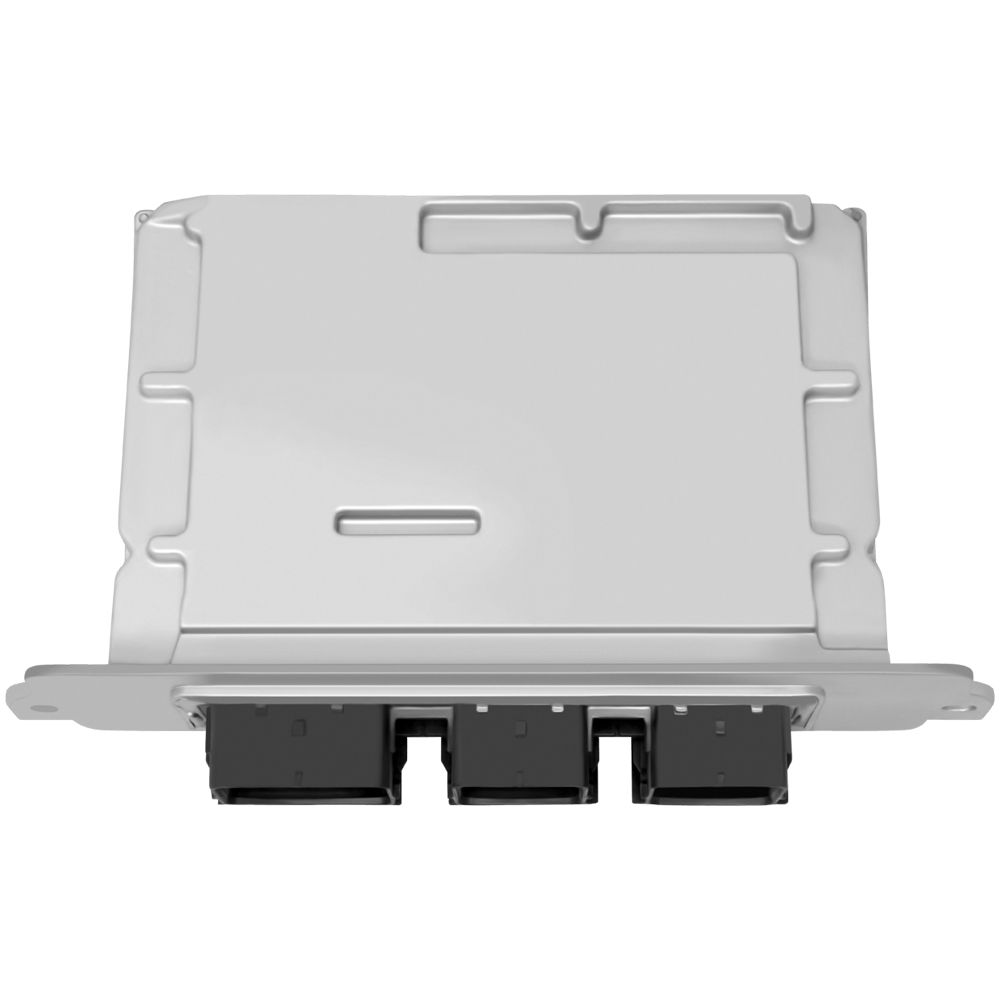
Flagship One stocks a refurbished, VIN-programmed PCM for the 2009 Mazda B4000 with a lifetime warranty, free shipping and no core charge. The full Mazda B4000 module lineup covers other engine configurations as well.
The powertrain control module is vital to the reliable operation of your 2009 Mazda B4000. Whether you opt for a new or refurbished unit, following the correct removal, reset, and inspection steps ensures the vehicle returns to smooth performance. Consider a VIN‑programmed replacement to streamline the final verification.