
Last updated on August 25th, 2026 at 01:34 pm
The Powertrain Control Module (PCM) in your 2009 Ford Mustang 4.0L engine acts as the brain, managing fuel delivery, ignition timing, and emissions systems. Failures may cause erratic engine behavior, no-start conditions, or persistent trouble codes.
If your 2009 Ford Mustang with the 4.0L engine is experiencing unexplained stalling, rough idling, or a no-start condition, the Powertrain Control Module (PCM) may be the culprit. This small but critical component manages everything from fuel injection to ignition timing, and when it fails, your vehicle’s performance can suffer in noticeable ways. Replacing the PCM isn’t just about swapping a part—it involves precise labor steps, a factory relearn procedure, and reprogramming the vehicle’s security system. Understanding these requirements upfront can save you time and frustration. This guide explains what the PCM does, where it’s located, the symptoms of failure, and what to expect during replacement and programming. Whether you’re diagnosing an issue or preparing for a repair, you’ll gain clarity on how to restore your Mustang’s reliability without unnecessary complications.
The Powertrain Control Module (PCM) in your 2009 Ford Mustang 4.0L engine is the central computer responsible for managing the engine and transmission systems. It processes data from sensors throughout the vehicle to optimize fuel delivery, ignition timing, and emissions control. This ensures your engine runs efficiently while meeting emissions standards. The PCM also communicates with the transmission control module to manage shifting patterns, adapting to driving conditions for smooth performance. When the PCM malfunctions, you may notice symptoms like poor fuel economy, rough idling, or even a complete failure to start. Because the PCM integrates with the vehicle’s security system, a faulty module can also trigger anti-theft features that prevent the engine from cranking. Replacing the PCM isn’t just about installing a new unit—it requires synchronization with the vehicle’s systems, including the replacement engine computers for the Mustang to ensure seamless operation. Without proper programming, your Mustang may not start or could run poorly, making it essential to follow factory procedures or use a pre-programmed unit to avoid additional steps.
2009 Ford Mustang 4.0L:
OEM programmed replacements — plug & play, no dealer visit.
Find yours by year, make & model →
Free shipping · Lifetime warranty
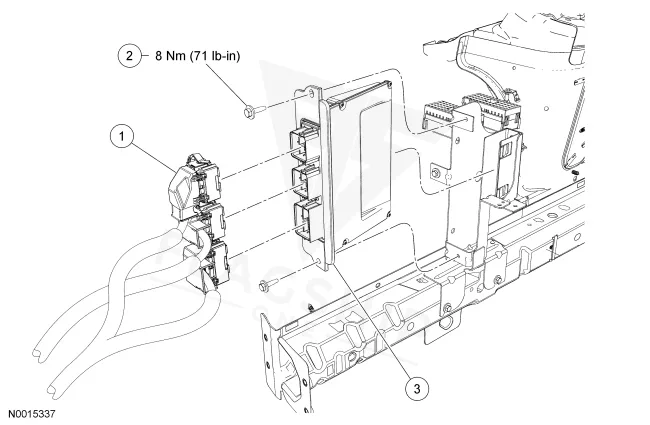
In the 2009 Ford Mustang with the 4.0L engine, the Powertrain Control Module (PCM) is located in the engine bay, typically mounted near the firewall or on the passenger side inner fender. Accessing it involves removing a protective cover or panel, which may require basic hand tools. The replacement process is straightforward but requires care to avoid damaging connectors or wiring. According to factory labor times, removing and reinstalling the PCM takes approximately 0.5 hours. This includes disconnecting the battery, unplugging the electrical connectors, and securing the new module in place. No specialized tools are required beyond a socket set and a torque wrench to ensure the mounting bolts are tightened to specification. Once installed, the PCM must be synchronized with the vehicle’s systems through a relearn procedure, which also takes about 0.5 hours of labor. This step is critical to ensure the engine and transmission operate correctly after replacement.
| Operation | Configuration | Book Time |
|---|---|---|
| Powertrain Control Module R&R | All configurations | 0.5 hr |
| Engine Control Module Relearn | All configurations | 0.5 hr |
| Engine Control Module R&R | All configurations | 0.5 hr |
After replacing the Powertrain Control Module (PCM) in your 2009 Ford Mustang 4.0L, the factory procedure requires a relearn process to synchronize the new module with the vehicle’s systems. This typically involves using a scan tool to perform an Engine Control Module (ECM) relearn, which takes about 0.5 hours of labor. Additionally, the Passive Anti-Theft System (PATS) must be reprogrammed to ensure the vehicle’s security features recognize the new PCM. These steps are necessary to prevent issues like no-start conditions or erratic engine behavior. However, if you install a VIN-programmed replacement unit, these programming steps are already completed, saving you time and reducing the risk of errors during the process. This means your Mustang can be back on the road faster, with fewer opportunities for complications during the repair.
When the Powertrain Control Module (PCM) in your 2009 Ford Mustang 4.0L begins to fail, you may notice a range of symptoms that can affect drivability and reliability. One of the most common signs is a no-start condition, where the engine cranks but fails to fire up. This often occurs because the PCM is unable to communicate with the fuel injectors or ignition system. Another frequent issue is rough idling or stalling, particularly when the engine is cold or under load. You might also experience poor fuel economy, as the PCM struggles to optimize air-fuel mixtures. Misfires are another telltale sign, often accompanied by a check engine light and trouble codes like internal control module memory check sum error. In some cases, the transmission may shift erratically or fail to engage gears properly, as the PCM also manages transmission control signals. If the PCM loses communication with the vehicle’s sensors, you may see multiple unrelated codes stored in the system, making diagnosis more challenging. A dead scan tool connection—where the PCM fails to respond to diagnostic requests—is a strong indicator of a complete module failure. These symptoms can appear intermittently at first, becoming more frequent as the problem worsens. Addressing them promptly can prevent further damage to other engine components.
Ford issued service bulletin #11-01-03 for the 2009 Mustang 4.0L engine, along with other displacements, to address calibration updates for the Powertrain Control Module (PCM). This bulletin covers various performance and drivability issues that may arise from outdated or incorrect PCM software. The update aims to improve fuel economy, reduce emissions, and correct shifting irregularities in automatic transmissions. If your Mustang is experiencing symptoms like rough idling, hesitation, or poor throttle response, this calibration update may resolve the issue without requiring a full PCM replacement. Always check for the latest software version before proceeding with any repairs, as this can save time and ensure your vehicle operates as intended.
| Bulletin | Subject | What It Addresses |
|---|---|---|
| 11-01-03 | 4.0L / 5.4L / 6.8L – CALIBRATION UPDATE – VARIOUS ISSUES | — |
If your Mustang cranks but doesn’t start after a PCM replacement, the most likely cause is an incomplete relearn procedure or a failure to reprogram the Passive Anti-Theft System (PATS). The PCM must synchronize with the vehicle’s security system to allow fuel delivery and ignition. Without this step, the engine will crank but fail to start. Using a VIN-programmed replacement unit eliminates this issue by ensuring all necessary programming is already completed.
Driving with a faulty PCM is not recommended, as it can lead to unpredictable engine behavior, stalling, or even a complete loss of power. A failing PCM may also cause the transmission to shift erratically or fail to engage gears properly. In some cases, the vehicle may enter a limp-home mode, severely limiting performance. If you suspect PCM issues, have the vehicle diagnosed promptly to avoid further damage.
Determining whether your PCM needs replacement or reprogramming depends on the symptoms and diagnostic trouble codes. If the PCM is storing internal memory errors (like P0601) or failing to communicate with a scan tool, replacement is often necessary. However, if the vehicle is experiencing drivability issues like rough idling or poor shifting, a software update or calibration reflash may resolve the problem. A professional diagnostic scan can help identify the root cause.
Skipping the PCM relearn procedure after replacement can result in a no-start condition, erratic engine behavior, or poor transmission performance. The relearn process ensures the new PCM synchronizes with the vehicle’s sensors, fuel system, and security features. Without it, the engine may run poorly or fail to start altogether. The factory procedure typically takes about 0.5 hours and is essential for proper operation.
Replacing the PCM in your 2009 Mustang is a straightforward process if you’re comfortable working with electrical components. However, it requires careful handling of connectors and wiring to avoid damage. The factory labor time for removal and installation is 0.5 hours, but you’ll also need to perform a relearn procedure or use a pre-programmed unit. If you’re unsure about the programming steps, consulting a professional can help avoid complications.
If your 2009 Ford Mustang 4.0L is experiencing PCM-related issues, you have two primary options: repair or replacement. While a repair may seem cost-effective, it often involves diagnosing and addressing specific internal failures, which can be time-consuming and may not resolve the root cause. A replacement unit, particularly one that arrives VIN-programmed, simplifies the process by eliminating the need for additional programming steps. This ensures your Mustang is back on the road quickly, with minimal downtime. Whether you choose a new or refurbished module, selecting the right unit for your vehicle is critical to restoring performance and reliability.
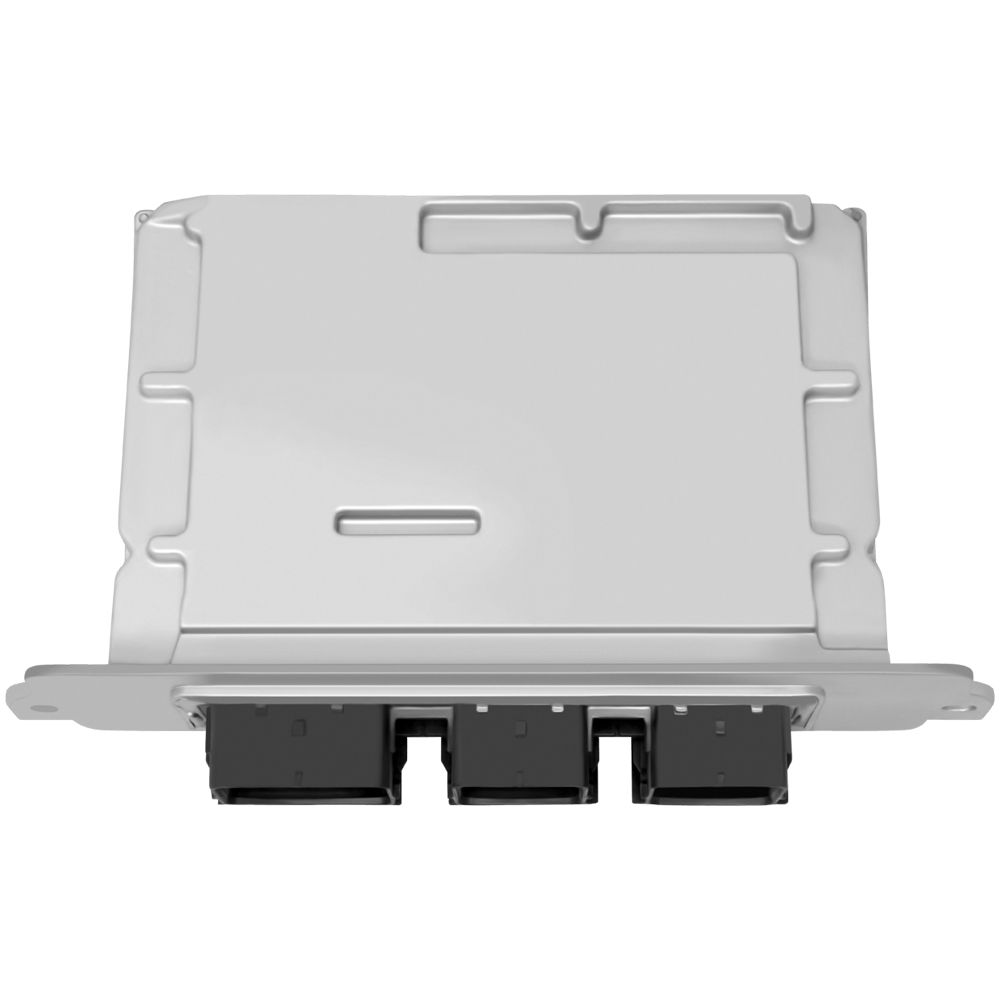
Flagship One stocks a refurbished, VIN-programmed PCM for the 2009 Ford Mustang with a lifetime warranty, free shipping and no core charge. The full Ford Mustang module lineup covers other engine configurations as well.
The Powertrain Control Module (PCM) plays a vital role in your 2009 Ford Mustang 4.0L’s performance, managing everything from fuel delivery to transmission shifts. When it fails, symptoms like stalling, misfires, or a no-start condition can disrupt your driving experience. Understanding the replacement process, including labor times and programming requirements, helps you make informed decisions about repairs. Whether you opt for a DIY approach or professional service, using a pre-programmed unit can save time and reduce the risk of complications. Restoring your Mustang’s reliability starts with addressing PCM issues promptly and correctly.