
Last updated on August 25th, 2026 at 02:25 pm
The Powertrain Control Module (PCM) and Engine Control Module (ECM) in your 2007 Chevrolet Silverado Classic serves as the central computer managing engine operation, transmission shifting, and emissions systems. When this module fails, your vehicle may experience starting problems, drivability issues, or trigger internal diagnostic codes.
If your 2007 Chevrolet Silverado Classic is experiencing starting problems, stalling, or unexpected transmission shifting behavior, the Powertrain Control Module (PCM) or Engine Control Module (ECM) may be the culprit. These electronic control units serve as the central nervous system of your vehicle’s powertrain, managing critical functions that affect engine performance, fuel efficiency, and drivability. This guide explains what these modules do, common failure symptoms, the replacement process, and what you need to know if you’re considering a replacement unit for your Silverado Classic. Understanding these components helps you make informed decisions about repairs and avoid unnecessary diagnostic costs. Whether you’re a DIY mechanic or seeking to understand what a repair shop will do, this information applies to all Classic variants including the 1500, 1500 HD, 2500 HD, and 3500 models equipped with the 4.8L engine.
The Powertrain Control Module in your 2007 Chevrolet Silverado Classic is a sophisticated computer that integrates the functions of both the Engine Control Module and the Transmission Control Module into a single unit. This integrated design allows your vehicle’s engine and automatic transmission to communicate seamlessly, optimizing performance across varying driving conditions. The module receives input from dozens of sensors throughout your powertrain, including the mass airflow sensor, coolant temperature sensor, throttle position sensor, and vehicle speed sensor. Based on this sensor data, the PCM calculates and adjusts fuel injection timing, ignition advance, transmission shift points, and emissions control systems in real-time. When the PCM functions properly, your 4.8L Vortec engine delivers smooth idle, responsive acceleration, and acceptable fuel economy. However, when internal circuits or memory within the module degrade, you may notice drivability symptoms that seem to come and go or worsen over time. The ECM portion specifically handles engine-focused functions while the TCM portion manages transmission hydraulic pressure and shift scheduling. Because these systems share a common processor, failure in either section can affect your entire vehicle operation. Finding replacement engine computers for the Silverado that match your specific model and engine configuration ensures proper integration with your vehicle’s existing sensors and wiring harness.
The Powertrain Control Module on your 2007 Chevrolet Silverado Classic is located in the engine compartment, typically mounted on the driver’s side near the firewall. Access requires opening the hood and removing any obstructing air intake components or engine covers. The module is housed in a protective enclosure with an electrical connector that plugs into the vehicle’s main wiring harness. Replacement involves disconnecting the negative battery terminal first, which prevents electrical shorts during the procedure. The factory service procedure specifies that you must turn the ignition OFF before disconnecting or reconnecting the PCM connector to prevent internal damage to the module. After removing the mounting bolts, carefully extract the old unit and transfer any mounting brackets or heat sinks to the replacement. The book time for PCM or ECM R&R on Silverado Classic models is 1.4 hours, which covers the physical removal and installation work. Following installation, a relearn procedure is necessary to allow the new module to adapt to your vehicle’s specific engine and transmission characteristics, and the labor guide allots 0.5 hours for this procedure. Ensure all electrical connections are secure and the battery is reconnected before testing the vehicle.
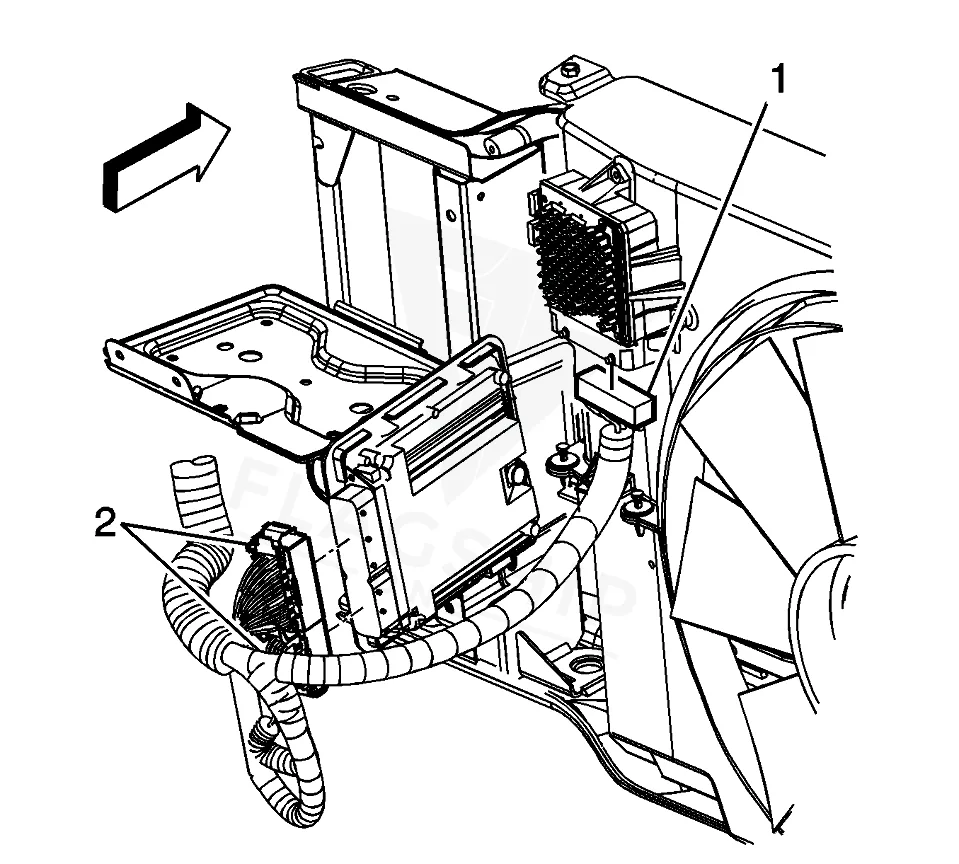
Work with the ignition off, and treat the module as static-sensitive: avoid touching the connector pins at any point.
| Operation | Configuration | Book Time |
|---|---|---|
| Powertrain Control Module R&R | Silverado 1500 Classic | 1.4 hr |
| Powertrain Control Module R&R | Silverado 2500 HD Classic | 1.4 hr |
| Powertrain Control Module R&R | Silverado 3500 Classic | 1.4 hr |
| Powertrain Control Module R&R | Silverado 1500 HD Classic | 1.4 hr |
| Powertrain Control Module Relearn | Silverado 1500 Classic | 0.5 hr |
| Powertrain Control Module Relearn | Silverado 2500 HD Classic | 0.5 hr |
| Powertrain Control Module Relearn | Silverado 3500 Classic | 0.5 hr |
| Powertrain Control Module Relearn | Silverado 1500 HD Classic | 0.5 hr |
2007 Chevrolet Silverado Classic
OEM programmed ECM for your 2007 Chevrolet Silverado Classic — plug & play, no dealer visit.
Free shipping · Lifetime warranty
The factory service procedure for your 2007 Chevrolet Silverado Classic requires capturing the existing PCM data using a GM-compatible scan tool before removing the old module. This captured data includes vehicle-specific calibration information, theft deterrent passwords, and configuration settings that must be transferred to the replacement unit. Once the new module is installed, the captured data gets restored into the new PCM, allowing it to communicate properly with your vehicle’s sensors and anti-theft systems. Without this data transfer, your vehicle may not start or could run poorly. The ignition must be OFF throughout the entire connector disconnection and reconnection process to avoid sending voltage spikes that could damage the new module’s internal circuits. After the data restoration, the relearn procedure allows the PCM to establish its communication protocol with the transmission control system. When you purchase from Flagship One, you receive a VIN-programmed replacement unit that arrives ready to install, meaning the calibration data matching your specific Silverado Classic VIN has already been programmed into the module before shipping, saving you the data capture and transfer steps.
When the PCM or ECM in your 2007 Chevrolet Silverado Classic begins to fail, you may notice several characteristic symptoms that indicate module internal problems. A no-start condition is common, where the engine cranking motor operates but the engine never catches because the module fails to deliver fuel or spark. Intermittent stalling, particularly at idle or during low-speed maneuvers, often signals communication breaks within the module’s processor. Misfire codes such as P0300 through P0308 may appear even when spark plugs and ignition coils test good, suggesting the module’s fuel or spark delivery calculations have become erratic. Some owners report that their scan tool fails to communicate with the vehicle, which indicates a failed PCM rather than a simple sensor issue. Transmission shifting may become harsh, delayed, or the vehicle may get stuck in a single gear. The check engine light typically remains illuminated, and the stored trouble codes will often be module-internal codes that begin with P0600 series numbers. If you retrieve internal memory checksum failure codes using a diagnostic tool, this specifically indicates that the PCM’s internal memory has become corrupted or the processor has detected a fault in its own circuitry.
Your 2007 Chevrolet Silverado Classic may store several module-internal diagnostic trouble codes when the PCM or ECM experiences internal failures. These codes differ from ordinary sensor codes in that they indicate problems within the control module itself rather than faults in external components. The specific codes documented for this vehicle include P0601 through P0607, which cover various memory and processor integrity issues. Additional codes P062F, P1600, P1621, P1627, P1680, P1681, and P1683 relate to internal EEPROM problems, communication failures, and processor monitoring faults. When these codes appear alongside each other, they strongly suggest the module requires replacement rather than repair.
No, replacement modules must match your specific model and engine configuration. The 4.8L Silverado Classic requires a PCM calibrated for that displacement and the specific transmission your vehicle has. Using an incorrect module can cause starting failures or drivability problems.
Yes, mechanically skilled DIYers can perform the replacement using basic hand tools. The physical R&R takes approximately 1.4 hours of labor. However, you will need access to a GM scan tool to perform the relearn procedure and ensure the transmission adapts to the new module.
A replacement PCM that is not programmed with your vehicle’s VIN and calibration data will not allow your Silverado Classic to start. The module will not communicate with the anti-theft system, and the transmission will not shift properly. Units from Flagship One arrive pre-programmed with your specific VIN to avoid this issue.
The 2007 Chevrolet Silverado Classic uses a unified Powertrain Control Module that functions as both the ECM and TCM. This integrated design simplifies replacement since you only need one part number to cover both engine and transmission control functions.
Yes, when the PCM’s internal fuel calculation circuits fail, your 4.8L engine may run excessively rich (excessive fuel) or lean (insufficient fuel). This often triggers downstream oxygen sensor codes and can cause catalytic converter damage if not addressed promptly.
If your 2007 Silverado Classic requires a replacement PCM, you have two primary options: purchasing a new unit from the dealer or selecting a quality remanufactured replacement. Dealer units arrive blank and require programming at the dealership, which often involves additional labor costs and trip charges. Remanufactured units from Flagship One arrive VIN-programmed and ready to install, potentially saving you hundreds in dealer programming fees. Consider your budget, timeline, and mechanical comfort level when choosing which path suits your needs best.
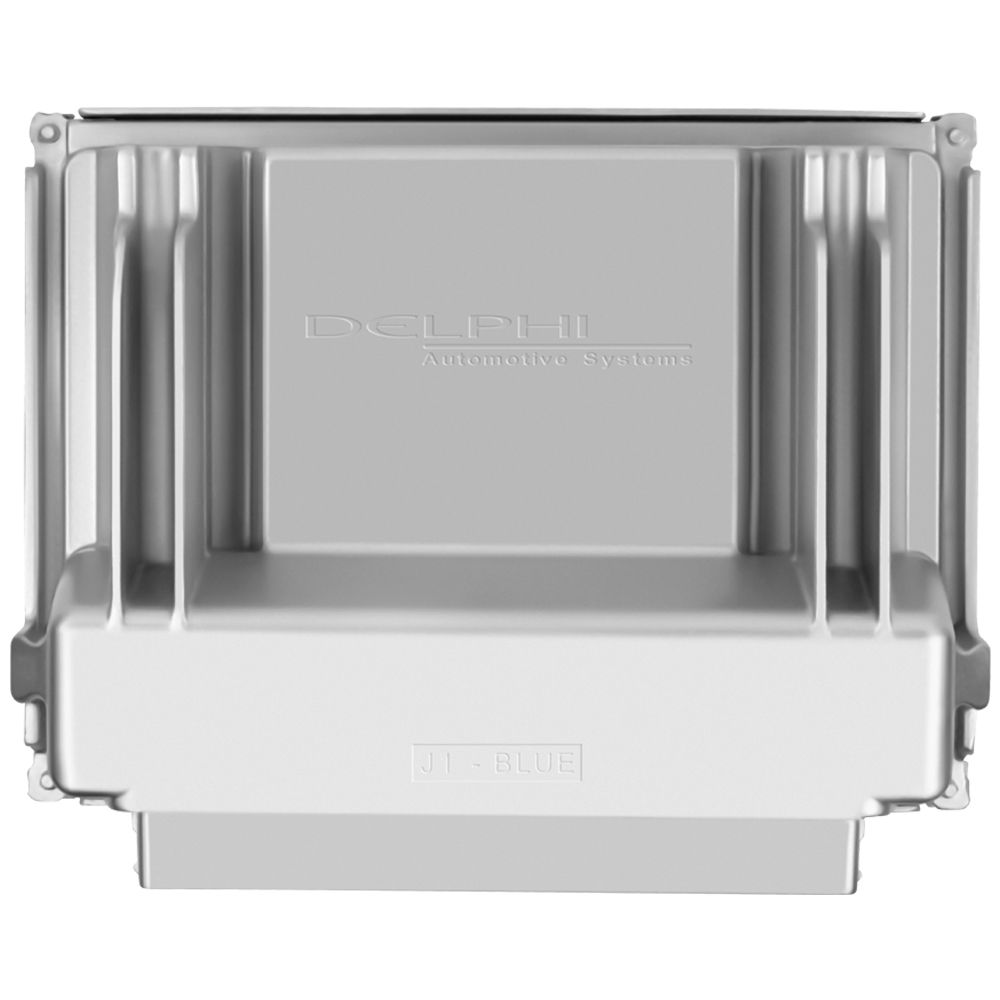
Flagship One stocks a refurbished, VIN-programmed PCM for the 2007 Chevrolet Silverado Classic with a lifetime warranty, free shipping and no core charge. The full Chevrolet Silverado Classic module lineup covers other engine configurations as well.
The Powertrain Control Module in your 2007 Chevrolet Silverado Classic is a critical component that manages your vehicle’s most important powertrain functions. When internal failures occur, the symptoms can mimic many other problems, making proper diagnosis essential. Whether you choose dealer replacement or a remanufactured unit from Flagship One, understanding the programming requirements and labor involved helps you plan the repair appropriately for your Classic model.