
Last updated on August 25th, 2026 at 02:39 pm
The powertrain control module (PCM) or engine control module (ECM) in your 2007 Buick Rainier manages fuel, ignition, and emissions systems. Failures may cause erratic engine behavior, no-start conditions, or stored trouble codes related to module performance.
If your 2007 Buick Rainier is experiencing unexplained stalling, a no-start condition, or persistent check-engine lights, the powertrain control module (PCM) or engine control module (ECM) may be at fault. These critical components manage engine performance, fuel delivery, and emissions systems. Replacing them involves more than just swapping parts—factory procedures require careful data transfer to avoid drivability issues. Understanding the process helps you anticipate labor time, programming requirements, and symptoms that confirm the module is the root cause. This guide covers what the PCM/ECM does, where it’s located, and how to approach replacement or reprogramming confidently.
In your 2007 Buick Rainier, the powertrain control module (PCM) or engine control module (ECM) acts as the brain of the engine, continuously adjusting fuel injection, ignition timing, and emissions controls for optimal performance. It also communicates with the transmission control module to ensure smooth shifting. A failing module may disrupt these functions, leading to poor drivability or even a complete no-start condition. If replacement becomes necessary, you’ll need replacement engine computers for the Buick Rainier that match your vehicle’s specifications. The module’s role in coordinating multiple systems makes it essential to follow factory procedures during installation to avoid further issues.
The PCM or ECM in your 2007 Buick Rainier is mounted in the engine compartment, secured to a bracket with two retainers. To access it, you’ll need to disengage the top retainers before carefully removing the module. Replacement involves unplugging the electrical connector, removing the old unit, and installing the new one. The factory labor time for removal and reinstallation is 1.4 hours. No torque specifications are provided, but ensuring the connectors are clean and properly seated is critical to avoid communication errors. The relearn or reset process after installation typically adds another 0.3 to 0.5 hours, depending on the procedure required.
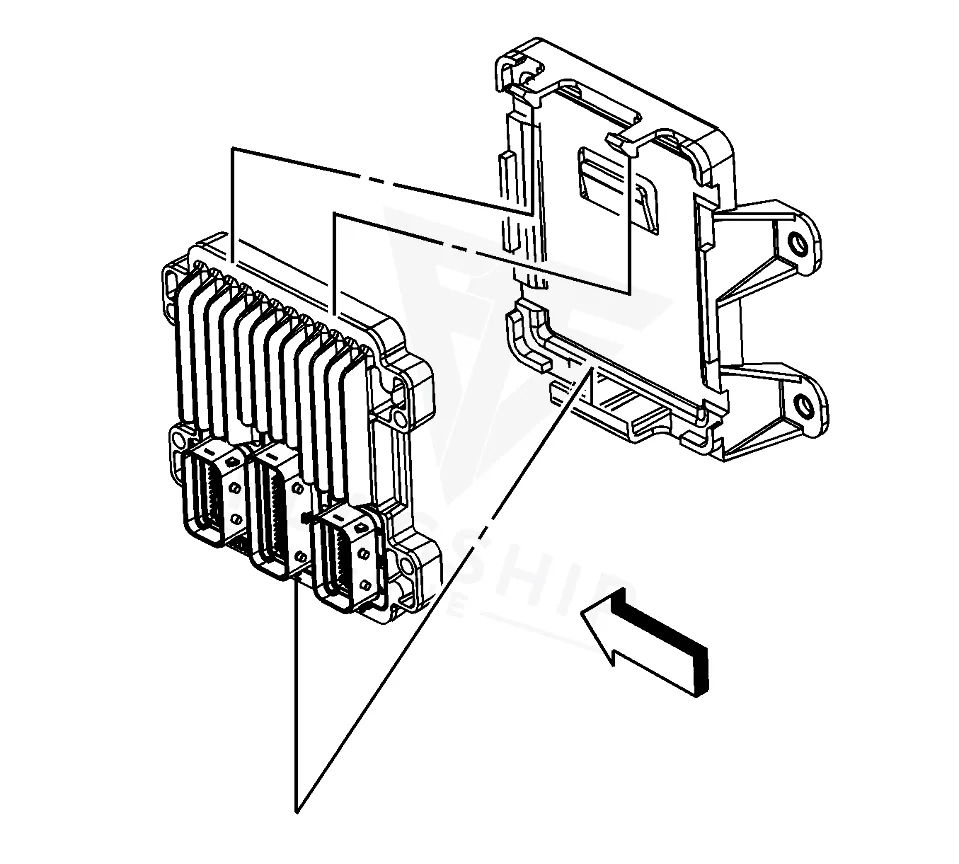
Work with the ignition off, and treat the module as static-sensitive: avoid touching the connector pins at any point.
| Operation | Configuration | Book Time |
|---|---|---|
| Powertrain Control Module Relearn | All configurations | 0.5 hr |
| Powertrain Control Module R&R | All configurations | 1.4 hr |
| Engine Control Module Relearn | All configurations | 0.5 hr |
| Engine Control Module Reset | All configurations | 0.3 hr |
| Engine Control Module R&R | All configurations | 1.4 hr |
2007 Buick Rainier
OEM programmed ECM for your 2007 Buick Rainier — plug & play, no dealer visit.
Free shipping · Lifetime warranty
Factory procedures for your 2007 Buick Rainier require capturing the existing PCM or ECM data using a scan tool before removal. This data must then be restored into the new module to ensure proper vehicle operation. Skipping this step may result in drivability issues or stored trouble codes. However, when you install a VIN-programmed replacement unit, these programming steps are already completed, saving you time and reducing the risk of errors. Always confirm the module is compatible with your vehicle’s VIN to avoid compatibility issues.
A failing PCM or ECM in your 2007 Buick Rainier may cause a range of symptoms, including intermittent stalling, rough idle, or a no-start condition. You might also notice poor acceleration, erratic shifting, or the check-engine light illuminating with module-related codes. Common trouble codes include internal control module memory checksum error, which often indicates a hardware or software fault within the module. If your scan tool fails to communicate with the PCM or ECM, that’s another strong sign of module failure. Addressing these symptoms promptly can prevent further drivability issues.
Your 2007 Buick Rainier may log specific trouble codes when the PCM or ECM begins to fail. These codes are typically related to internal module performance and can help confirm the need for replacement or reprogramming.
Factory service bulletin #06091, issued August 30, 2006, addressed a product enhancement for inventory vehicles related to engine cooling fan diagnostics. This bulletin specifically targeted reprogramming the engine or powertrain control module and expired on November 30, 2006. If your vehicle was affected, the update may have already been applied during previous service visits.
| Bulletin | Subject | What It Addresses |
|---|---|---|
| — | Product Enhancement for Inventory Vehicles Only-Engine/Powertrain Control Module Reprogram (Eng | — |
Yes, your 2007 Buick Rainier typically requires a relearn or reset procedure after replacing the PCM or ECM. This process ensures the module synchronizes with the vehicle’s systems and may take 0.3 to 0.5 hours. Factory procedures also require restoring captured data to the new module to avoid drivability issues.
The factory labor time for removing and reinstalling the PCM or ECM in your 2007 Buick Rainier is 1.4 hours. This does not include the additional time required for relearning or resetting the module, which may add another 0.3 to 0.5 hours.
While your 2007 Buick Rainier may still run with a P0601 code, it’s not advisable to ignore it. This code indicates an internal module fault, which may lead to drivability issues like stalling or poor performance. Addressing it promptly can prevent further complications.
If your 2007 Buick Rainier is experiencing PCM or ECM-related issues, you have options for repair or replacement. A refurbished module can restore functionality while saving costs compared to a new unit. Ensure any replacement is VIN-programmed to avoid additional programming steps. Weigh the benefits of a quick, reliable solution against the potential risks of ignoring the problem.
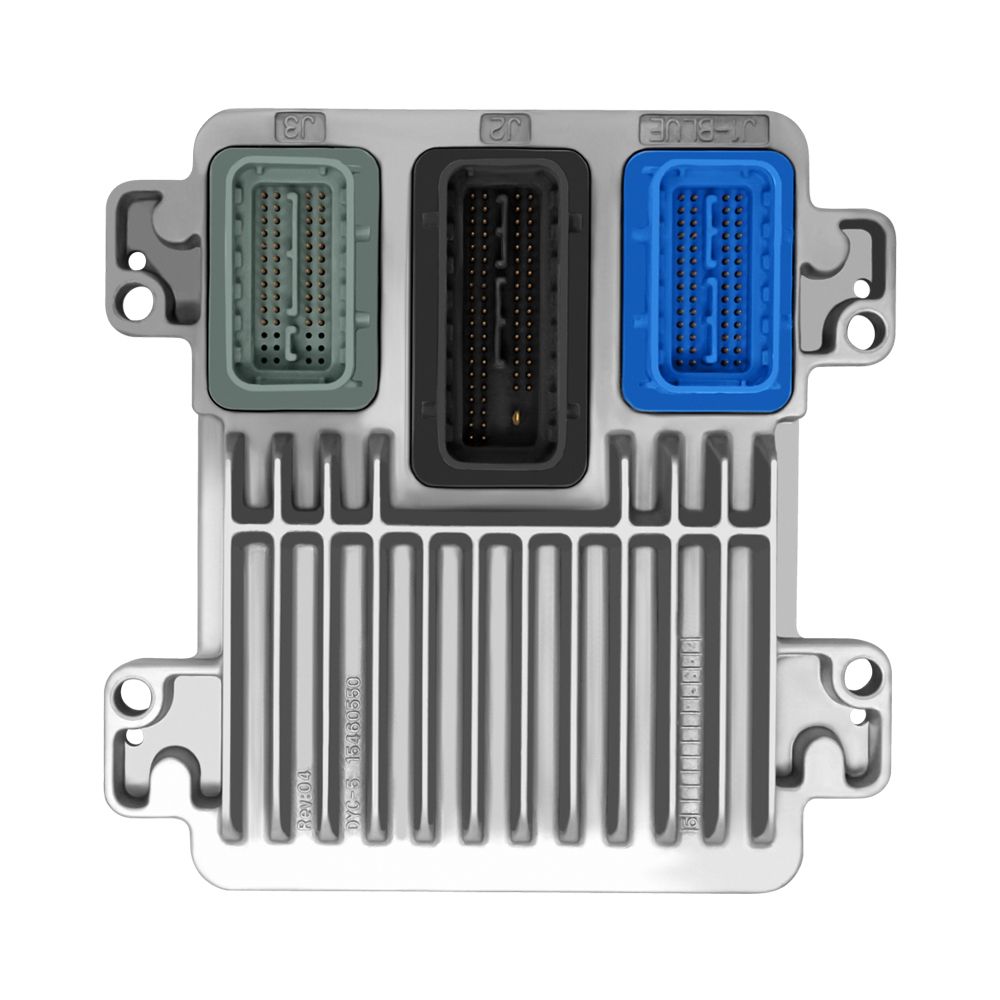
Flagship One stocks a refurbished, VIN-programmed PCM for the 2007 Buick Rainier with a lifetime warranty, free shipping and no core charge. The full Buick Rainier module lineup covers other engine configurations as well.
The PCM or ECM in your 2007 Buick Rainier plays a critical role in engine performance and drivability. If you’re facing symptoms like stalling, no-start conditions, or module-related trouble codes, addressing the issue promptly can save time and frustration. Whether you opt for a repair or a VIN-programmed replacement, following factory procedures ensures a smooth process and reliable results.