2019 Volkswagen Golf R Engine Control Module Replacement Guide
Experiencing module faults in your 2019 Volkswagen Golf R? Learn about ECM replacement, relearn procedures, and data bus cautions to restore performance.

Windows, power locks, manual locks, doors, trunk, tailgate, mirrors, power and manual seat controls, seat belts, sunroof, convertible top, glass defects.
The 2003 Lincoln Aviator has a known issue with its temperature blend doors, which can break and lead to problems with the climate control system. This can be a bit of a hassle, especially if you rely on your car’s heating and cooling to stay comfortable. While it’s not the end of the world, it’s something to keep in mind if you’re considering the overall reliability of this vehicle.
Brake pads, brake rotors, brake calipers, anti-lock braking system (ABS), brake lines, brake master cylinder, brake booster, parking brake, brake sensors, regenerative braking system (if applicable).
The 2003 Lincoln Aviator seems to have a few issues, one of which is a cosmetic crack that may develop on the liftgate. While this might not affect the vehicle’s performance, it’s something to keep an eye on if you’re concerned about the car’s appearance. Overall, it’s a minor issue, but worth considering if you’re thinking about the long-term look of your ride.
The 2003 Lincoln Aviator has had its fair share of issues, with one of the more common problems being the shift lever getting stuck and not moving. This can be a frustrating experience for drivers, as it affects the vehicles overall reliability and ease of use. While the Aviator offers a comfortable ride, these mechanical hiccups can be a bit of a headache for owners.
The 2003 Lincoln Aviator has a known issue with the check engine light coming on due to PCV grommet vacuum leaks. This problem can lead to engine performance issues if not addressed, but it’s generally fixable with a relatively simple repair. Overall, while this issue is a bit of a hassle, it doesn’t drastically affect the vehicle’s reliability if taken care of promptly.
The 2003 Lincoln Aviator has had its fair share of issues, with one notable problem being overheating due to a damaged impeller. This issue can lead to significant engine troubles if not addressed promptly, impacting the overall reliability of the vehicle. It’s something to keep an eye on if you’re considering this model, as it might require some extra attention and maintenance.
N/A
No major problem has been reported
The 2003 Lincoln Aviator tends to have some reliability issues, especially when it comes to the EGR system, which is known to act up in high dust areas. This can lead to performance problems and might require more frequent maintenance if you’re driving in such conditions. Overall, while the Aviator has its strengths, keeping an eye on the EGR system is crucial for maintaining its reliability.
The 2003 Lincoln Aviator seems to have a common issue with brake lights sticking on, which can be pretty annoying and potentially dangerous if not addressed. While this problem might not be a deal-breaker for everyone, it’s definitely something to keep in mind if you’re considering this SUV. Overall, the Aviator has its quirks, and this brake light issue is just one of the things that might pop up.
The 2003 Lincoln Aviator has a notable issue with exhaust leaks occurring before the catalytic converter, which is something that needs immediate attention to prevent further damage. This problem can affect the overall reliability of the vehicle, as it may lead to decreased performance and potential emissions issues. It’s important for owners to address this promptly to maintain the SUV’s performance and longevity.
The 2003 Lincoln Aviator has had its fair share of issues, but one key maintenance tip is to inspect the transmission and fluid every 30,000 miles. Regular checks can help catch potential problems early, which is crucial since some owners have reported transmission issues. Staying on top of this maintenance can improve the overall reliability of your Aviator and keep it running smoothly.
Cruise control, keyless entry system, push-button start, wiper motor, warning lights, power mirrors, interior lighting, exterior lighting, dashboard indicators, electronic parking brake, tire pressure monitoring system (TPMS), alarm and security system, remote engine start, heated and ventilated seats, heated steering wheel, wireless charging pad.
The 2003 Lincoln Aviator seems to have some issues with smelling coolant and overheating, even when there are no visible leaks. This could point to potential problems with the cooling system, like a faulty radiator cap or a hidden leak in the system. While these issues might not be deal-breakers, they do suggest that the Aviator might require a bit more attention and maintenance in this area to ensure it runs smoothly.
Dashboard rattles, squeaks, wind noise, door seals, weather stripping, water leaks, air leaks, excessive road noise, suspension noise, drivetrain noise, exhaust rattles, engine bay noises.
The 2003 Lincoln Aviator seems to have some issues with corrosion on the battery cable ends, which can be a bit of a hassle. This kind of corrosion can lead to poor electrical connections and might cause starting problems or other electrical issues. While it’s not the end of the world, it’s definitely something to keep an eye on to maintain the vehicle’s overall reliability.
No major problem has been reported
When it comes to the 2003 Lincoln Aviator, one common issue is the need to replace the spark plug boots along with the spark plugs. This is crucial because worn-out boots can lead to misfires and poor engine performance. Overall, while the Aviator has its quirks, staying on top of maintenance like this can help keep it running smoothly.
The 2003 Lincoln Aviator is generally a reliable vehicle, but like any car, it has its quirks. One key maintenance tip is to replace the fuel filter every 30,000 miles to help prevent fuel pump failure, which can be a common issue if neglected. Staying on top of this simple task can keep your Aviator running smoothly and save you from potential headaches down the road.
The world's top supplier of programmed OEM (Original Equipment Manufacturer) Powertrain Control Modules (PCM), Engine Control Modules (ECM), Injection Control Modules (IDM), Body Control Modules (BCM), Transmission Control Modules (TCM), Engine Control Units and all other car control units. With over a decade in the business, we are the most reliable source when it comes to programming services for replacement engine control modules.

Experiencing module faults in your 2019 Volkswagen Golf R? Learn about ECM replacement, relearn procedures, and data bus cautions to restore performance.
Is your 2017 Volkswagen Golf Alltrack stalling? Learn about ECM failure signs, labor times, and how a pre-programmed module simplifies repairs for your vehicle.
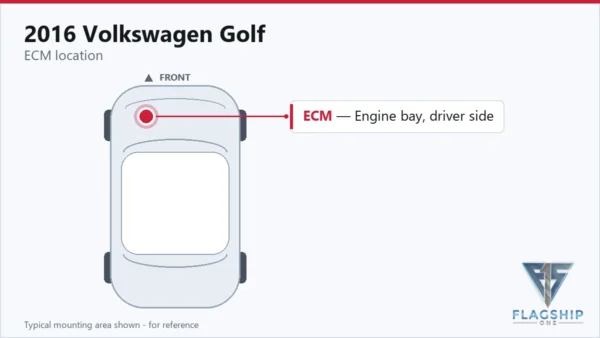
PCM failure in your 2016 Volkswagen Golf may cause no-start conditions or erratic shifting. Proper diagnosis prevents unnecessary repairs and restores reliable performance.
When your 2016 Volkswagen Beetle exhibits control module faults, understanding repair options helps. Learn about symptoms, labor times, and programming requirements for informed decisions.
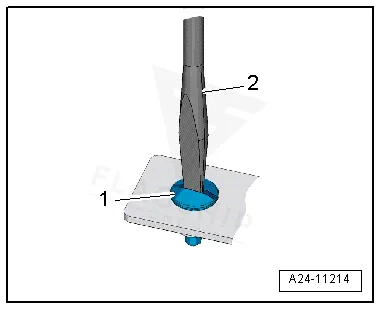
2015 Volkswagen Golf SportWagen powertrain module failure may trigger warning lights and no-start conditions. Professional replacement and proper programming typically restore full driveability.
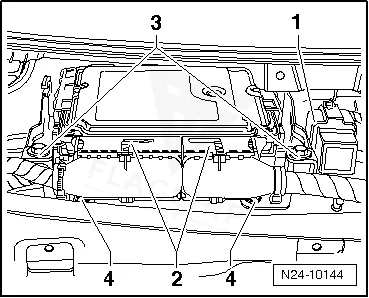
2010 Volkswagen Golf GTI engine control module failures may cause misfire codes, stalling, or no-start. Learn replacement, programming, and labor times.
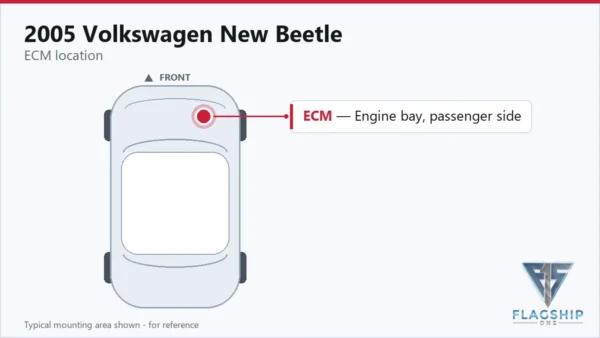
Experiencing stalling or no-start issues in your 2005 Volkswagen New Beetle? Learn how a faulty engine computer affects performance and how to resolve it.
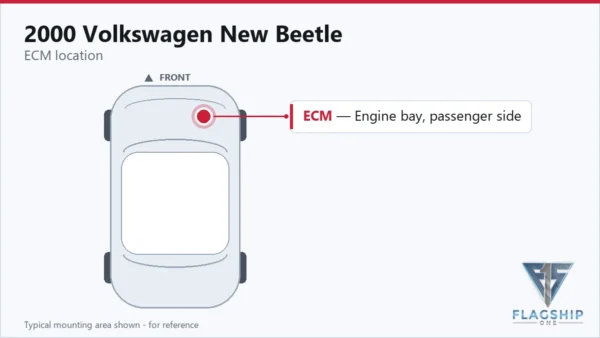
Your 2000 Volkswagen New Beetle may experience no-start or stalling issues. Avoid improper installation to restore engine performance and reliability.
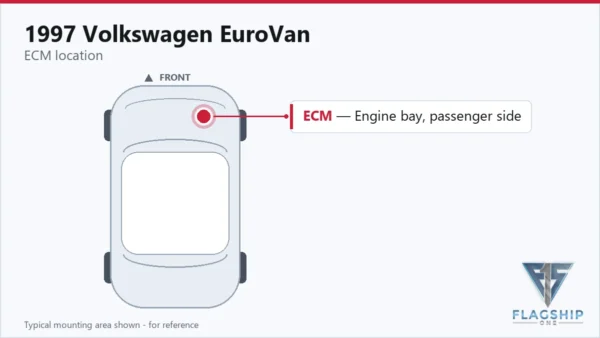
Learn about ECM failure symptoms, replacement procedures, and programming for your 1997 Volkswagen EuroVan. Expert guidance on diagnosing and resolving engine control module issues.
Stalling or no-start in your 1983 Volkswagen Quantum may indicate ECM failure; professional diagnosis prevents unnecessary replacement and restores reliable operation.
Stalling or no-start conditions in your 1982 Volkswagen Jetta may indicate a failing engine computer. Learn symptoms, replacement steps, and programming details to restore performance.
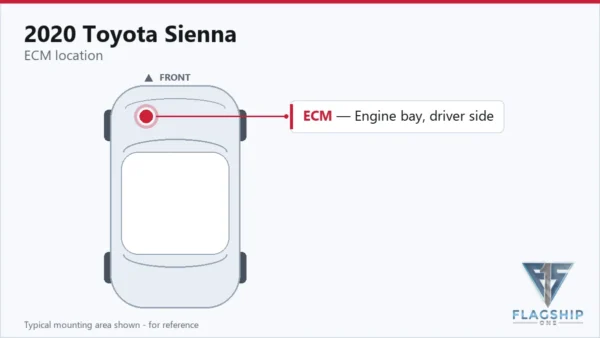
2020 Toyota Sienna with stalling, no-start, or P0606 code may need ECM replacement. Learn factory steps, labor times, and how to avoid control module damage in your minivan.