
Last updated on August 25th, 2026 at 01:18 pm
The Engine Control Module (ECM) in your 2003 Infiniti Q45 manages fuel injection, ignition timing, and emissions systems. Failures may cause erratic engine behavior, stored trouble codes, or a complete no-start condition.
If your 2003 Infiniti Q45 is experiencing unexplained stalling, a check engine light, or difficulty starting, the Engine Control Module (ECM) may be the culprit. This critical component oversees engine performance, and when it fails, symptoms can range from subtle drivability issues to a complete no-start. Understanding the ECM’s role, replacement process, and programming requirements helps you make an informed decision. With the right replacement unit, you can restore reliable operation without unnecessary delays or additional labor costs.
The ECM in your 2003 Infiniti Q45 acts as the brain of the engine, continuously adjusting fuel delivery, ignition timing, and emissions controls for optimal performance. It relies on input from sensors throughout the vehicle to make real-time adjustments, ensuring smooth operation and compliance with emissions standards. When the ECM malfunctions, you may notice poor fuel economy, rough idling, or stored trouble codes. Replacing it with replacement engine computers for the Q45 ensures compatibility and restores proper engine management, but programming is often required to sync the new module with your vehicle’s systems.
2003 Infiniti Q45
OEM programmed ECM for your 2003 Infiniti Q45 — plug & play, no dealer visit.
Free shipping · Lifetime warranty
The ECM in the 2003 Infiniti Q45 is typically located near the engine bay, though access may vary slightly depending on the vehicle’s configuration. Replacement involves disconnecting the battery, removing the module’s electrical connectors, and unbolting the unit from its mount. Labor time for removal and reinstallation is usually 0.8 hours. After installation, the module may require a relearn procedure, which adds another 0.5 hours of labor. Always ensure connectors are clean and securely fastened to prevent future issues.
| Operation | Configuration | Book Time |
|---|---|---|
| Powertrain Control Module R&R | All configurations | 0.8 hr |
| Engine Control Module Relearn | All configurations | 0.5 hr |
| Engine Control Module R&R | All configurations | 0.8 hr |
After replacing the ECM in your 2003 Infiniti Q45, the factory procedure often requires a relearn process to synchronize the new module with the vehicle’s systems. This step ensures proper communication with sensors and other control modules. However, a VIN-programmed replacement unit arrives ready to install, eliminating the need for additional programming or relearn steps. This saves time and reduces the risk of incomplete initialization, allowing you to get back on the road faster.
When the ECM in your 2003 Infiniti Q45 begins to fail, you may notice symptoms like intermittent stalling, rough idling, or a check engine light. The vehicle might also struggle to start or exhibit poor acceleration. In some cases, the engine may misfire or run erratically due to incorrect fuel or ignition timing. A common trouble code associated with ECM failure is internal control module read-only memory error, which indicates a potential issue with the module’s memory or power supply. If your scan tool fails to communicate with the ECM, the module itself may be the problem.
The 2003 Infiniti Q45 may store specific trouble codes when the ECM experiences internal faults. These codes help diagnose the root cause of drivability issues or warning lights.
| Code | Meaning | Full Guide |
|---|---|---|
| P0605 | Internal ROM error | Full P0605 guide → |
Factory service bulletins for the 2003 Infiniti Q45 address several ECM-related concerns. Bulletin ITB09006 provides a diagnostic procedure for a check engine light with code P0603, focusing on ECM power supply issues. ITB11049 outlines reprogramming steps using the Consult scan tool, which may be necessary after certain repairs. While these bulletins target specific scenarios, they highlight the importance of proper diagnostics and programming when dealing with ECM-related faults.
| Bulletin | Subject | What It Addresses |
|---|---|---|
| — | EC – ENGINE CONTROL SYSTEM: DIAGNOSIS PROCEDURE FOR MIL “ON” DTC P0603 ECM POWER | — |
| — | AT – AUTOMATIC TRAN./TRANSAXLE: THE NEW Q45 AND G35; TCM INITIALIZATION AFTER TRANSMISSION REPL | — |
| — | EC – ENGINE CONTROL SYSTEM: REPROGRAMMING WITH CONSULT | — |
Yes, the factory procedure typically requires a relearn process to sync the new ECM with your vehicle’s systems. However, a pre-programmed replacement unit eliminates this step, saving time and labor. Always confirm compatibility with your VIN to ensure proper function.
Common symptoms include a check engine light, stalling, rough idling, or difficulty starting. You may also notice poor acceleration or stored trouble codes related to engine performance. If the ECM fails completely, the vehicle may not start at all.
Replacement is straightforward if you’re comfortable working with electrical components. The ECM is typically located in the engine bay, and the process involves disconnecting the battery, removing connectors, and unbolting the unit. However, programming may be required afterward, which often necessitates professional tools.
If your 2003 Infiniti Q45 is showing signs of ECM failure, you have options. A repair may address minor issues, but a replacement is often the most reliable solution. Choosing a VIN-programmed unit ensures compatibility and eliminates the need for additional programming, saving you time and hassle. Consider your vehicle’s age and condition when deciding between refurbished or new modules.
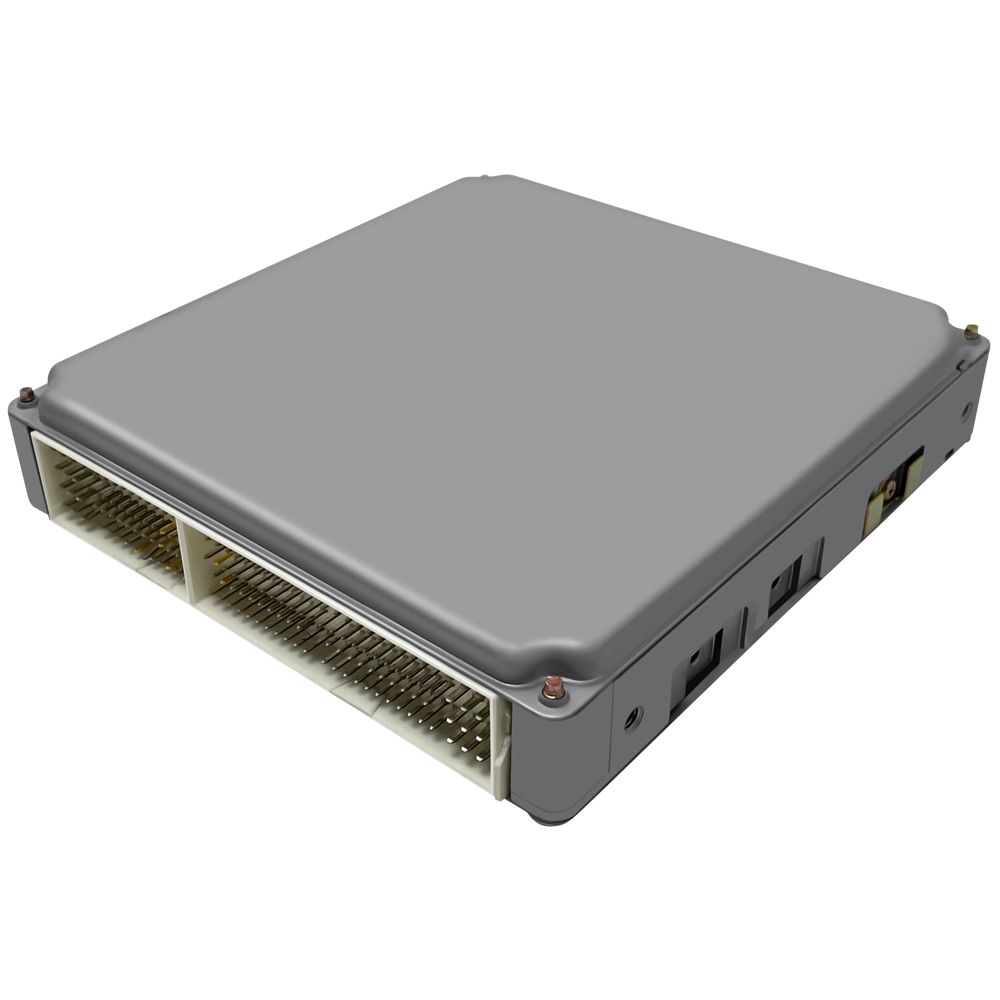
Flagship One stocks a refurbished, VIN-programmed PCM for the 2003 Infiniti Q45 with a lifetime warranty, free shipping and no core charge. The full Infiniti Q45 module lineup covers other engine configurations as well.
The ECM in your 2003 Infiniti Q45 plays a critical role in engine performance and drivability. If you’re experiencing symptoms like stalling, a check engine light, or starting issues, a replacement may be necessary. Opting for a pre-programmed unit simplifies the process and ensures your Q45 runs smoothly. Addressing ECM issues promptly helps maintain reliability and avoids further complications.