
Last updated on August 25th, 2026 at 01:18 pm
The Engine Control Module (ECM) in your 2002 Infiniti Q45 manages fuel injection, ignition timing, and emissions systems. Failures may trigger a check engine light, poor performance, or a no-start condition due to internal faults or power supply issues.
If your 2002 Infiniti Q45 is experiencing rough idling, stalling, or a check engine light that won’t clear, the Engine Control Module (ECM) may be the culprit. This small but critical computer oversees everything from fuel mixture to ignition timing, ensuring your engine runs smoothly. When it fails, symptoms can range from subtle performance issues to a complete no-start condition. Replacing the ECM isn’t just about swapping a part—it involves precise installation and, in many cases, reprogramming to match your vehicle’s specific settings. Understanding the role of the ECM, how to identify failure symptoms, and what replacement entails can save you time and frustration. Whether you’re diagnosing a persistent trouble code or preparing for a replacement, knowing the steps involved helps you make informed decisions about your vehicle’s repair.
The Engine Control Module (ECM) in your 2002 Infiniti Q45 serves as the brain of the engine management system. It continuously monitors sensors throughout the engine bay, adjusting fuel injection, ignition timing, and emissions controls to optimize performance and efficiency. Without a functioning ECM, your vehicle may struggle to start, run erratically, or fail to meet emissions standards. The module also communicates with other systems, such as the transmission control module, to ensure smooth operation under all driving conditions. Over time, electrical faults, voltage spikes, or internal component degradation can compromise its reliability. When replacement becomes necessary, opting for replacement engine computers for the Q45 ensures compatibility and reduces the risk of further issues. The ECM’s role is so integral that even minor malfunctions can lead to noticeable drivability problems, making timely diagnosis and repair essential for maintaining your vehicle’s performance.
2002 Infiniti Q45
OEM programmed ECM for your 2002 Infiniti Q45 — plug & play, no dealer visit.
Free shipping · Lifetime warranty
In the 2002 Infiniti Q45, the ECM is located in the engine bay, typically mounted on the passenger side near the firewall. Accessing it requires removing a protective cover and disconnecting the wiring harness. The replacement process involves unbolting the old module, installing the new one, and securing it with the original fasteners. According to factory labor estimates, removing and reinstalling the ECM takes approximately 0.8 hours. This time does not include any additional steps like relearning procedures, which may be required if the module isn’t pre-programmed to your vehicle’s VIN. The installation is straightforward, but care must be taken to ensure the wiring connectors are clean and properly seated to avoid intermittent electrical issues. No specialized tools are required beyond basic hand tools, but following the manufacturer’s torque specifications for the mounting bolts is recommended to prevent damage to the module or its mounting surface.
| Operation | Configuration | Book Time |
|---|---|---|
| Powertrain Control Module R&R | All configurations | 0.8 hr |
| Engine Control Module Relearn | All configurations | 0.5 hr |
| Engine Control Module R&R | All configurations | 0.8 hr |
After replacing the ECM in your 2002 Infiniti Q45, the factory procedure typically requires a relearn process to synchronize the module with the vehicle’s systems. This step, which takes about 0.5 hours of labor, ensures the ECM recognizes the engine’s sensors and operates within the correct parameters. However, if you install a VIN-programmed replacement unit, this step is already completed, saving you time and potential headaches. The pre-programmed module arrives configured to your vehicle’s specific settings, eliminating the need for additional dealer visits or specialized equipment. This convenience is particularly valuable for older vehicles like the Q45, where compatibility issues can arise with generic replacement parts. By choosing a unit that’s ready to install, you reduce the risk of post-installation glitches and ensure a smoother transition back to reliable performance.
When the ECM in your 2002 Infiniti Q45 begins to fail, symptoms can vary but often include a check engine light that won’t reset, rough idling, or stalling at stoplights. You may also notice poor acceleration, misfires, or a no-start condition, especially if the module is struggling to communicate with the engine’s sensors. In some cases, the vehicle may enter a limp-home mode, limiting power to prevent further damage. One of the most common trouble codes associated with ECM failure in this model is an internal control module memory error, which indicates a fault within the module’s memory or processing capabilities. Other signs include erratic shifting if the ECM isn’t properly communicating with the transmission control module, or even a complete loss of scan tool communication. Because the ECM controls so many critical functions, symptoms can mimic other issues, making professional diagnosis essential. If you’re experiencing any of these problems, addressing them promptly can prevent more serious damage to your vehicle’s engine or transmission.
The 2002 Infiniti Q45’s ECM may log specific trouble codes when internal faults occur. These codes help pinpoint the source of the issue, whether it’s a memory error, power supply problem, or communication failure. Below are the documented module-internal trouble codes for this vehicle.
| Code | Meaning | Full Guide |
|---|---|---|
| P0605 | Internal ROM error | Full P0605 guide → |
Infiniti has issued service bulletins addressing specific ECM-related issues in the 2002 Q45. Bulletin ITB09006 provides a diagnostic procedure for when the Malfunction Indicator Light (MIL) illuminates with trouble code P0603, which relates to ECM power supply problems. This bulletin guides technicians through steps to verify the integrity of the ECM’s power and ground circuits, ensuring accurate diagnosis before replacement. Another bulletin, ITB02017, covers Transmission Control Module (TCM) initialization after transmission replacement, which may be relevant if the ECM and TCM aren’t properly synchronized. While this bulletin focuses on the transmission, it underscores the importance of proper module communication in the Q45’s drivetrain. Following these bulletins can help avoid misdiagnosis and ensure repairs are performed correctly the first time.
| Bulletin | Subject | What It Addresses |
|---|---|---|
| — | EC – ENGINE CONTROL SYSTEM: DIAGNOSIS PROCEDURE FOR MIL “ON” DTC P0603 ECM POWER | — |
| — | AT – AUTOMATIC TRAN./TRANSAXLE: THE NEW Q45 AND G35; TCM INITIALIZATION AFTER TRANSMISSION REPL | — |
Stalling after ECM replacement often indicates a relearn procedure wasn’t completed. The module needs to synchronize with the engine’s sensors to maintain stable idle. If the ECM wasn’t programmed to your vehicle’s VIN, this step may be necessary. A pre-programmed unit eliminates this issue.
While the vehicle may still run, driving with a P0605 code can lead to poor performance or a no-start condition. This code indicates an internal ECM fault, and ignoring it may cause further damage. Prompt diagnosis and repair are recommended.
ECM failures often trigger multiple symptoms, such as stalling, misfires, or a no-start condition, while sensor issues typically cause isolated problems. A professional scan tool can help distinguish between the two by checking for module-internal codes like P0605.
In the 2002 Infiniti Q45, the ECM specifically manages engine functions, while the PCM is a broader term that may include transmission control in some vehicles. For your model, the ECM is the primary module overseeing engine performance.
Disconnecting the battery may reset the ECM temporarily, but it won’t address underlying issues like internal faults or power supply problems. It can also erase learned values, leading to rough idle or poor performance until the module relearns. A scan tool is a better option for clearing codes.
If your 2002 Infiniti Q45 is showing signs of ECM failure, you have options for repair or replacement. While a dealer may recommend a new module, a refurbished or remanufactured unit can offer the same reliability at a lower cost. For older vehicles like the Q45, a VIN-programmed replacement ensures compatibility and eliminates the need for post-install programming. Whether you’re addressing a persistent trouble code or preparing for a full replacement, choosing the right module can restore your vehicle’s performance and save you time in the shop.
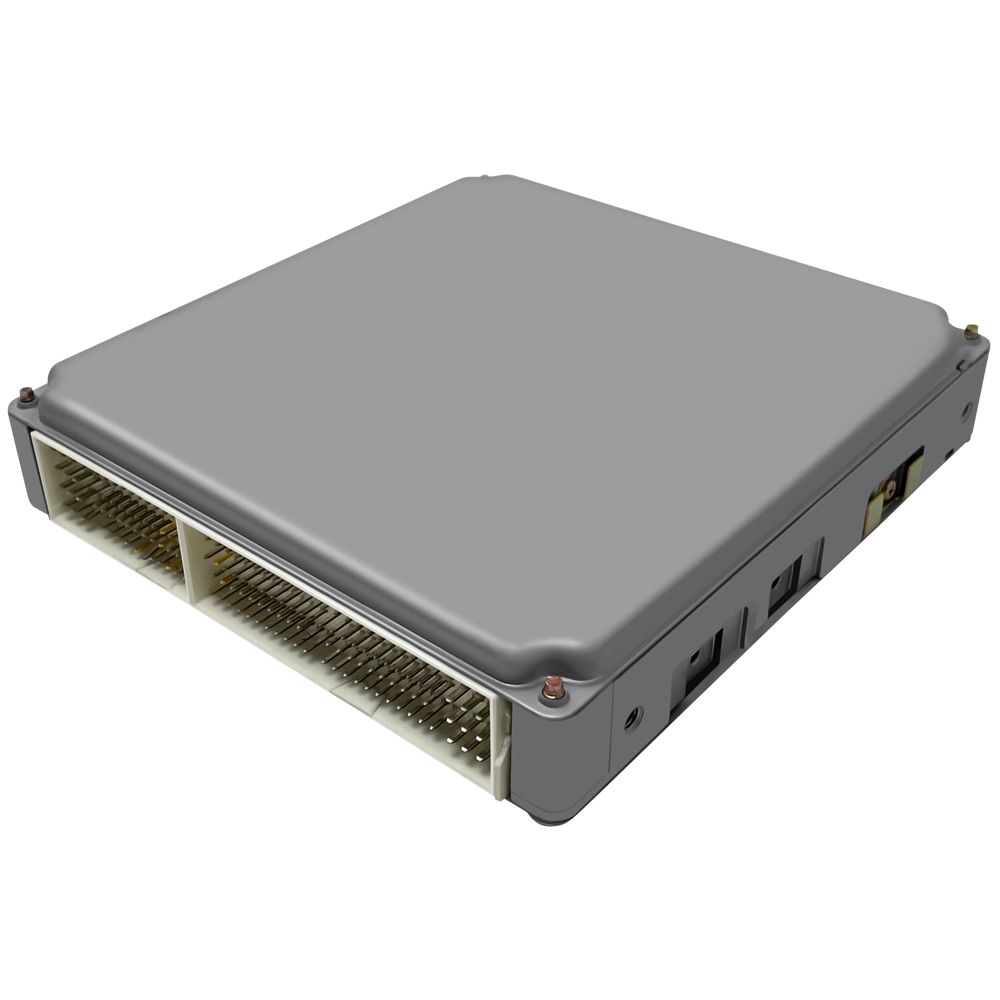
Flagship One stocks a refurbished, VIN-programmed PCM for the 2002 Infiniti Q45 with a lifetime warranty, free shipping and no core charge. The full Infiniti Q45 module lineup covers other engine configurations as well.
The Engine Control Module in your 2002 Infiniti Q45 plays a vital role in keeping your engine running smoothly. When it fails, symptoms like stalling, misfires, or a no-start condition can disrupt your daily driving. Understanding the replacement process, programming requirements, and common failure signs helps you make informed decisions about repairs. Whether you opt for a dealer-installed unit or a pre-programmed replacement, addressing ECM issues promptly ensures your Q45 remains reliable for years to come.