
Last updated on August 25th, 2026 at 01:36 pm
In the 2003 Ford Taurus the Powertrain Control Module and Engine Control Module manage fuel delivery, ignition timing, and emissions functions. A failure typically disrupts sensor communication, triggers misfire codes, and may illuminate the MIL, leading to reduced drivability or a no‑start condition.
When a 2003 Ford Taurus experiences a lit malfunction indicator lamp accompanied by misfire‑related codes, the powertrain and engine control modules become likely suspects. Understanding how these electronic brains operate, where they sit, and what factory procedures are required after a swap can help you decide whether to repair or replace them. This guide walks you through the essential facts, typical labor times, and the programming steps that follow a module change, so you can approach the job with confidence and avoid unnecessary downtime.
The Powertrain Control Module in a 2003 Ford Taurus gathers data from dozens of sensors, calculates the optimal fuel‑air mixture, and commands the transmission for smooth shifts. It works in concert with the Engine Control Module, which fine‑tunes ignition timing and monitors emissions. Together they ensure the V6 engine runs efficiently and meets regulatory standards. A malfunction in either unit can cause the MIL to flash, trigger codes such as P0300 or P0316, and produce rough idle or stalling. Proper operation is critical because the modules control ignition sequencing, fuel injector pulse width, and transmission torque converter lock‑up. For owners seeking a replacement, the market offers replacement engine computers for the 2003 Ford Taurus that match the original specifications and communication protocols.
2003 Ford Taurus Powertrain and
OEM programmed replacements — plug & play, no dealer visit.
Find yours by year, make & model →
Free shipping · Lifetime warranty
Both the PCM and ECM are mounted within the engine compartment of the 2003 Ford Taurus, typically attached to the firewall or near the intake manifold. Access usually involves disconnecting the battery, removing the cover, and unplugging the harnesses. The labor guide lists a one‑hour removal and installation time for the Powertrain Control Module, while the Engine Control Module takes between 0.4 and 0.8 hours depending on whether the vehicle runs gasoline or flex‑fuel. After the old unit is removed, the replacement is bolted in place, connectors are reattached, and the battery is reconnected. No torque specifications were supplied, so standard factory fastener torque should be applied.
Work with the ignition off, and treat the module as static-sensitive: avoid touching the connector pins at any point.
| Operation | Configuration | Book Time |
|---|---|---|
| Powertrain Control Module R&R | All configurations | 1.0 hr |
| Powertrain Control Module Relearn | All configurations | 0.5 hr |
| Engine Control Module R&R | GAS | 0.5 hr |
| Engine Control Module R&R | GAS | 0.8 hr |
| Engine Control Module R&R | FLEX | 0.4 hr |
Once the new PCM is physically installed, the factory service manual requires a 0.5‑hour relearn procedure to synchronize the module with the vehicle’s sensors and transmission. The Engine Control Module replacement does not need an additional relearn, but it must be correctly seated for the vehicle’s diagnostic network. Flagship One units arrive VIN‑programmed so those steps are already completed, eliminating the need for separate coding. This means the replacement can be installed and the vehicle returned to service without additional programming time, provided the a VIN-programmed replacement unit is used.
Typical signs of a failing PCM or ECM in a 2003 Ford Taurus include a persistent MIL, random misfires, rough idle, loss of power, and difficulty starting the engine. Drivers may also notice stalling under load or inconsistent transmission shifting. Diagnostic scans often reveal codes like P0300 for random misfires or P0316 for crankshaft position sensor issues. In some cases the scan tool may lose communication entirely, indicating a complete loss of module functionality. When the MIL flashes without a drained battery, the issue frequently points to the control modules rather than the charging system.
Technical Service Bulletin 04-25-14 documents cases where the MIL illuminates with diagnostic trouble codes P0300, P0316, or P030X while the battery remains charged. The bulletin advises checking the PCM and ECM for proper operation and performing the prescribed relearn procedure after replacement.
| Bulletin | Subject | What It Addresses |
|---|---|---|
| 04-25-14 | MALFUNCTION INDICATOR LAMP (MIL) ILLUMINATED WITH DIAGNOSTIC TROUBLE CODES (DTCS) P0300, P0316 | — |
The factory labor guide lists approximately one hour for removal and installation of the Powertrain Control Module.
Yes, a 0.5‑hour relearn procedure is required to sync the new PCM with the vehicle’s systems.
A malfunctioning Engine Control Module can trigger the MIL, especially when it results in misfire codes such as P0300.
The labor guide shows 0.5 hours for a gasoline ECM and 0.4 hours for a flex‑fuel ECM.
It outlines procedures for MIL illumination with specific misfire codes and notes that the battery should not be discharged.
When the PCM or ECM in your 2003 Ford Taurus needs attention, you can choose a factory‑repaired unit or a refurbished replacement. Both options restore the vehicle’s electronic control functions, but a refurbished module from Flagship One may offer a cost‑effective solution while still meeting original specifications.
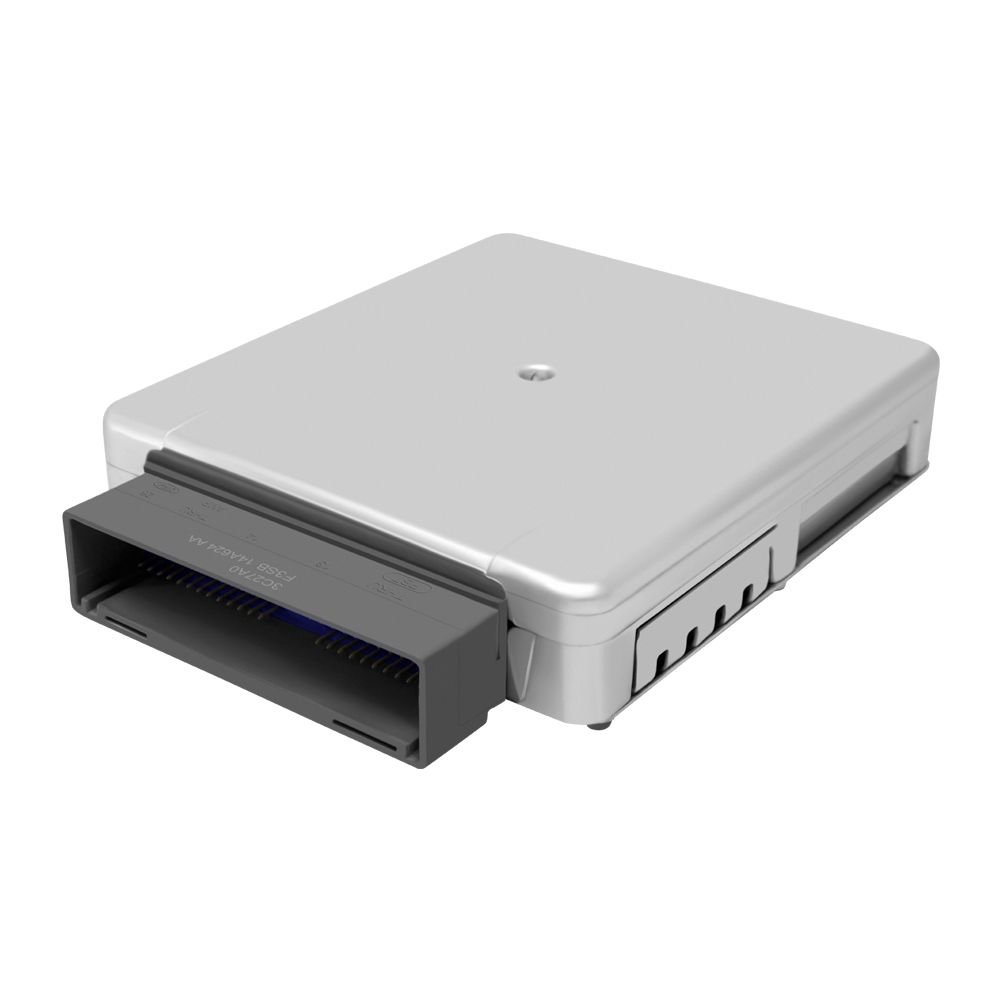
Flagship One stocks a refurbished, VIN-programmed PCM for the 2003 Ford Taurus with a lifetime warranty, free shipping and no core charge. The full Ford Taurus module lineup covers other engine configurations as well.
Properly addressing PCM or ECM issues in a 2003 Ford Taurus helps keep the engine running smoothly and prevents future diagnostic headaches. Whether you opt for a new or refurbished unit, ensure the correct relearn steps are followed to complete the repair.