
Last updated on August 25th, 2026 at 01:36 pm
The Engine Control Module in a 2003 Ford Crown Victoria manages fuel delivery, ignition timing and emissions functions. A failure can trigger the malfunction indicator lamp, store diagnostic trouble codes such as P0460, and prevent the engine from running smoothly or meeting emissions standards.
When a 2003 Ford Crown Victoria lights up the MIL and stores a diagnostic code, the Engine Control Module (ECM) is often at the center of the issue. Understanding how this computer functions, what the factory expects after a swap, and the steps required to bring the vehicle back to normal operation can save you time and money. This guide walks you through the module’s role, where it lives, the labor involved in removal and installation, the programming requirements, and practical tips to keep it healthy. By the end, you’ll know what to expect from a professional service and how a Flagship One replacement can simplify the process.
2003 Ford Crown Victoria
OEM programmed replacements — plug & play, no dealer visit.
Find yours by year, make & model →
Free shipping · Lifetime warranty
The Engine Control Module in the 2003 Ford Crown Victoria monitors sensor data, controls fuel injection, ignition timing and emissions output. It continuously adjusts engine parameters to meet performance and regulatory targets, making it essential for smooth operation and fuel efficiency. When the module receives an out‑of‑range signal, it logs a fault and may illuminate the malfunction indicator lamp. A failing ECM can cause rough idle, stalling, or loss of power, especially under load. Proper operation ensures the vehicle meets emissions standards and drives reliably. For owners needing a new unit, 2003 Ford Crown Victoria replacement engine computers are the direct substitutes designed to match the original specifications.
The ECM is mounted within the engine compartment, typically attached to the firewall or a nearby bracket for easy access. Removal involves disconnecting the main power connector, unplugging sensor harnesses, and unbolting the unit, a process that generally aligns with the 0.5‑hour labor estimate for removal. Installation reverses these steps: secure the replacement module with the original bolts, reconnect all electrical plugs, and verify proper torque if torque specifications are provided in the service manual. The book time for installation also cites 0.5 hours, reflecting the straightforward nature of the task when the vehicle’s battery is isolated and the wiring is clean.
Work with the ignition off, and treat the module as static-sensitive: avoid touching the connector pins at any point.
| Operation | Configuration | Book Time |
|---|---|---|
| Engine Control Module Relearn | All configurations | 0.5 hr |
| Engine Control Module R&R | All configurations | 0.5 hr |
| Powertrain Control System Diagnosis & Testing | All configurations | 0.5 hr |
After the ECM is replaced, the factory procedure requires a relearn of the engine control parameters to synchronize the new unit with the vehicle’s existing sensors and actuators. The service manual lists a 0.5‑hour relearn operation, during which the technician runs a series of diagnostic cycles to calibrate fuel trims, idle control and emission monitors. Flagship One units arrive pre‑programmed with the vehicle identification number, so the relearn step is effectively completed before installation. This eliminates the need for the technician to perform the a VIN‑programmed replacement unit step on the shop floor, reducing labor time and risk of programming errors.
Typical signs of a failing Engine Control Module in a 2003 Ford Crown Victoria include a persistent check engine light, rough idle, loss of power, or intermittent stalling. Drivers may also notice poor fuel economy or a failure of the vehicle to start after a battery disconnect. When the module cannot communicate with the diagnostic scanner, codes may not be readable, complicating troubleshooting. In the case of the documented issue, the vehicle may store a fuel level sensor circuit malfunction fault, which often appears alongside a illuminated MIL and can prevent the fuel pump from operating correctly.
Technical Service Bulletin 05-11-03 addresses situations where the malfunction indicator lamp illuminates and the DTC P0460 is stored. The bulletin outlines diagnostic steps, recommended replacement procedures, and the required relearn process after a new module is installed.
| Bulletin | Subject | What It Addresses |
|---|---|---|
| 05-11-03 | MIL ON AND DTC P0460 IN MEMORY | — |
The light signals that the Engine Control Module has detected a condition outside normal parameters. It may be a sensor fault, a communication issue, or a problem within the ECM itself.
Factory labor guides list about half an hour for removal and another half hour for installation, plus an additional 0.5 hour for the required relearn procedure.
A used unit may function, but it must be programmed to match the vehicle’s VIN. Flagship One replacement modules are pre‑programmed, which removes the need for an on‑site coding step.
P0460 indicates a fault in the fuel level sensor circuit. It often results from a bad sensor, wiring issue, or a failing ECM that cannot interpret the sensor signal correctly.
Yes, a diagnostic and testing procedure, typically 0.5 hours, helps verify that all related systems are communicating properly and that the vehicle meets emissions requirements.
When the Engine Control Module in your 2003 Ford Crown Victoria needs service, you can choose a factory‑approved repair or a Flagship One refurbished replacement. Both approaches address the same root cause, but a VIN‑programmed unit streamlines the post‑install steps, letting you return the vehicle to the road more quickly.
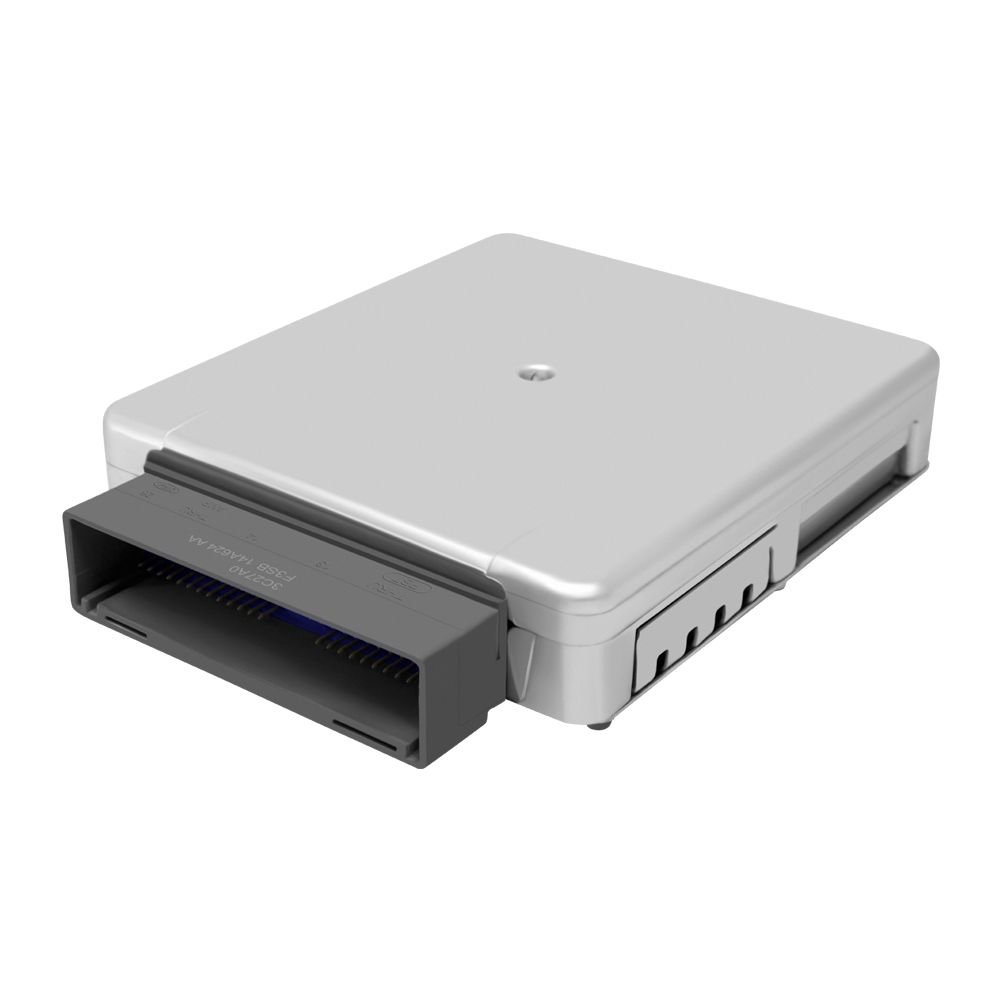
Flagship One stocks a refurbished, VIN-programmed PCM for the 2003 Ford Crown Victoria with a lifetime warranty, free shipping and no core charge. The full Ford Crown Victoria module lineup covers other engine configurations as well.
The 2003 Ford Crown Victoria’s Engine Control Module is vital for reliable performance and emissions compliance. Whether you opt for a repair or a Flagship One replacement, understanding the labor, programming and preventive measures helps ensure a smooth restoration. Consider your options and keep the module healthy for years ahead.