
Last updated on August 25th, 2026 at 12:48 pm
The Powertrain Control Module (PCM) in your 2003 Dodge Dakota acts as the vehicle’s central computer, managing engine performance, fuel delivery, and transmission behavior. Failure may lead to poor drivability, diagnostic trouble codes, or complete engine shutdown.
If your 2003 Dodge Dakota has been acting unpredictably—stalling at stops, refusing to start, or shifting gears erratically—you may be dealing with a failing Powertrain Control Module (PCM). This critical component serves as the brain of your vehicle’s engine and transmission, ensuring smooth operation and optimal performance. When it malfunctions, the effects can range from subtle drivability issues to complete immobilization. Replacing the PCM isn’t just about swapping a part; it involves careful installation and, in most cases, reprogramming to match your Dakota’s specific VIN and mileage. Understanding the role of the PCM, recognizing failure symptoms, and knowing what to expect during replacement can save you time and frustration. Whether you’re a DIY enthusiast or planning to visit a shop, this guide will help you navigate the process with confidence.
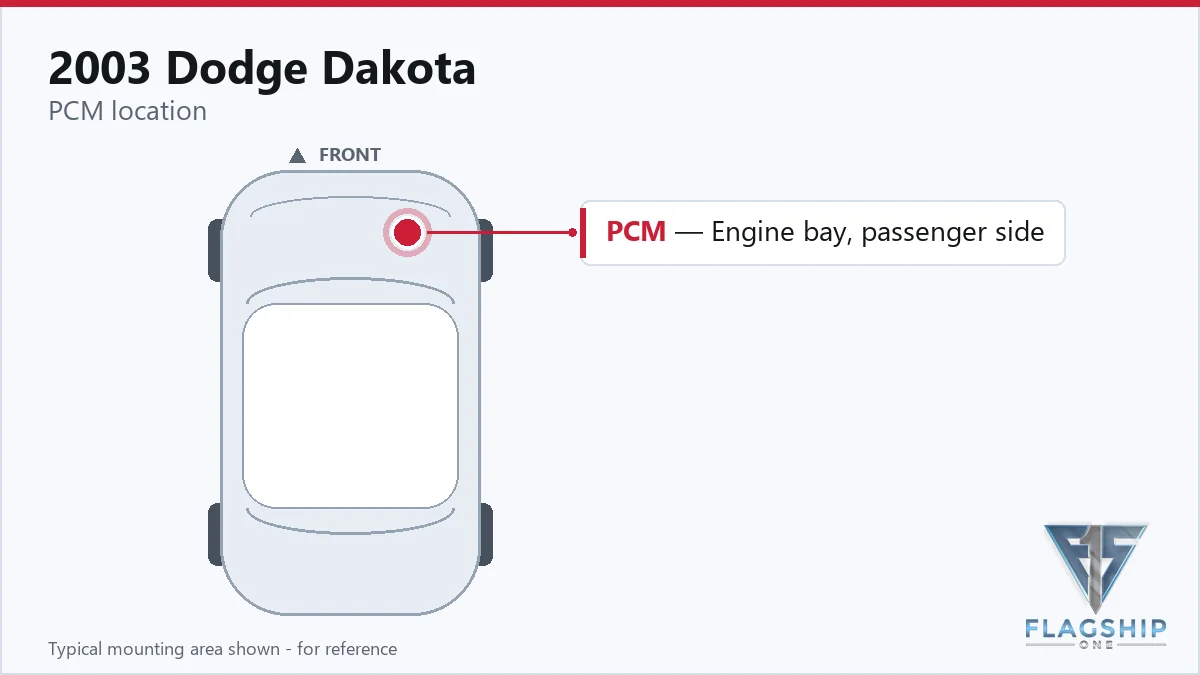
The Powertrain Control Module (PCM) in your 2003 Dodge Dakota is responsible for managing a wide range of engine and transmission functions. It continuously monitors sensors throughout the vehicle to adjust fuel injection, ignition timing, and shift points, ensuring optimal performance and efficiency. Without a properly functioning PCM, your Dakota may experience poor fuel economy, rough idling, or even fail to start. This module also plays a key role in emissions control, helping your vehicle meet regulatory standards. When the PCM begins to fail, it often triggers warning lights on the dashboard and may store diagnostic trouble codes that can be read with a scan tool. Replacing the module typically involves installing one of the replacement PCMs for the Dodge Dakota, which must be compatible with your vehicle’s specific engine and transmission configuration. The PCM’s location in the engine compartment makes it accessible, but proper handling is essential to avoid damaging sensitive electronics.
2003 Dodge Dakota
OEM programmed ECM for your 2003 Dodge Dakota — plug & play, no dealer visit.
Free shipping · Lifetime warranty
Work with the ignition off, and treat the module as static-sensitive: avoid touching the connector pins at any point.
| Operation | Configuration | Book Time |
|---|---|---|
| Engine Control Module Relearn | All configurations | 0.5 hr |
| Engine Control Module R&R | All configurations | 0.5 hr |
| Powertrain Control Module Relearn | All configurations | 0.5 hr |
| Powertrain Control Module R&R | All configurations | 0.5 hr |
After installing a new Powertrain Control Module (PCM) in your 2003 Dodge Dakota, the factory procedure requires reprogramming the unit with your vehicle’s original Vehicle Identification Number (VIN) and mileage. This step is critical because the PCM must recognize your specific Dakota to function correctly. The process is typically performed using the DRBIII® scan tool, which communicates with the module to input the necessary data. However, if you opt for a VIN-programmed replacement unit, this step is already completed before the module arrives. Flagship One provides units that are pre-programmed with your Dakota’s VIN and mileage, eliminating the need for post-install reprogramming. This not only saves time but also reduces the risk of errors during the initialization process. Always verify that the replacement PCM matches your vehicle’s specifications to avoid compatibility issues.
A failing Powertrain Control Module (PCM) in your 2003 Dodge Dakota may cause a variety of symptoms that can disrupt your driving experience. One of the most common signs is a no-start condition, where the engine cranks but fails to fire up. You might also notice the engine stalling unexpectedly, particularly at idle or during deceleration. Erratic shifting from the transmission is another red flag, as the PCM controls shift points and torque converter lockup. Some owners report poor fuel economy or rough idling, which can stem from incorrect fuel or ignition timing adjustments. In some cases, the check engine light will illuminate, and a scan tool may reveal module-internal trouble codes like internal control module memory check sum error. If your Dakota exhibits any of these symptoms, it’s worth investigating the PCM as a potential cause, especially if other common issues like fuel pump failure or sensor malfunctions have been ruled out.
When the Powertrain Control Module (PCM) in your 2003 Dodge Dakota begins to fail, it may generate specific diagnostic trouble codes. These codes can help pinpoint the issue and guide your next steps.
| Code | Meaning | Full Guide |
|---|---|---|
| P0600 | Module-internal fault | Full P0600 guide → |
| P0601 | Internal memory checksum error | Full P0601 guide → |
Dodge issued service bulletin #08-030-06 Rev. A to address Powertrain Control Module initialization procedures for vehicles like your 2003 Dakota. This bulletin outlines the steps required to ensure the PCM is properly configured after replacement or when certain drivability issues arise. The procedures typically involve using the DRBIII® scan tool to reprogram the module with the vehicle’s original VIN and mileage. Following these guidelines helps prevent communication errors between the PCM and other vehicle systems, which could lead to poor performance or diagnostic trouble codes. If you’re replacing the PCM, adhering to the bulletin’s instructions can save time and reduce the risk of post-installation issues.
| Bulletin | Subject | What It Addresses |
|---|---|---|
| 08-030-06 Rev. A | 08-030-06 Rev. A Powertrain Control Module Initialization | — |
Common signs include a no-start condition, stalling, erratic transmission shifting, or the check engine light illuminating with module-related trouble codes. If your Dakota exhibits these symptoms, a scan tool can help confirm whether the PCM is the likely culprit.
Yes, the PCM is located in the engine compartment and can be replaced with basic tools. However, the factory requires reprogramming the new module with your vehicle’s VIN and mileage, which typically requires a DRBIII® scan tool. Using a pre-programmed unit simplifies the process.
Without reprogramming, the new PCM may not recognize your Dakota’s specific configuration, leading to poor performance, incorrect shift points, or even a no-start condition. The factory procedure ensures the module is properly initialized for your vehicle.
Driving with a failing PCM can lead to unpredictable behavior, such as stalling or transmission issues, which may compromise safety. Additionally, prolonged use with a faulty module could cause secondary damage to other components, like sensors or the catalytic converter.
The physical replacement typically takes 0.5 hours, according to factory labor estimates. If reprogramming is required, this step may add additional time, depending on the tools and procedures used. A pre-programmed unit eliminates the need for post-install reprogramming.
If your 2003 Dodge Dakota is experiencing symptoms of PCM failure, you have a few options for replacement. A new or refurbished module can restore proper engine and transmission function, but it’s important to choose one that’s compatible with your vehicle’s specifications. Opting for a VIN-programmed unit can simplify the process, as it eliminates the need for post-install reprogramming. Whether you’re tackling the job yourself or having it done at a shop, understanding the steps involved can help you make an informed decision.
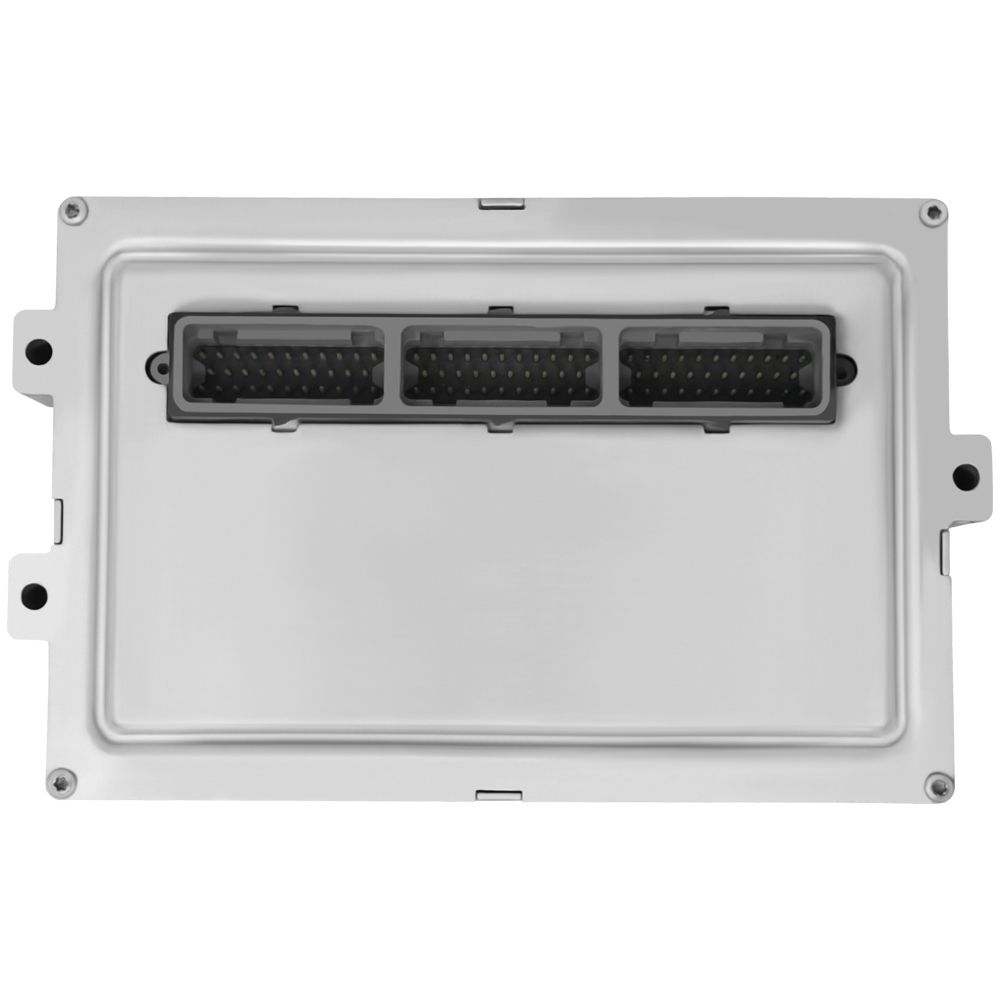
Flagship One stocks a refurbished, VIN-programmed PCM for the 2003 Dodge Dakota with a lifetime warranty, free shipping and no core charge. The full Dodge Dakota module lineup covers other engine configurations as well.
Replacing the Powertrain Control Module in your 2003 Dodge Dakota can resolve a range of drivability issues, from stalling to transmission shifting problems. While the physical replacement is straightforward, the factory’s reprogramming requirements add a layer of complexity. By choosing a pre-programmed unit, you can streamline the process and get your Dakota back on the road with minimal downtime. If you suspect your PCM is failing, addressing the issue promptly can prevent further complications and keep your vehicle running smoothly.