
Last updated on August 25th, 2026 at 02:28 pm
In the 2001 Chevrolet Camaro, the Powertrain Control Module (PCM) manages engine timing, fuel delivery, and transmission shifting. Failure typically stems from internal circuit damage, corrupted software, or loss of power, leading to loss of driveability and diagnostic trouble codes.
When a 2001 Chevrolet Camaro begins to exhibit random stalling, no‑start conditions, or strange shift behavior, the powertrain control module often becomes a suspect. Understanding how the PCM functions, what the factory cautions entail, and what steps are required after a replacement can help you avoid costly diagnostic loops. This guide walks you through the module’s role in this Camaro, the labor involved in swapping it, the programming obligations, typical symptoms, and practical ways to keep the unit healthy. By the end, you’ll know how to approach a PCM repair or replacement with confidence and what to expect from a Flagship One replacement unit.
The Powertrain Control Module in the 2001 Chevrolet Camaro acts as the brain that synchronizes engine combustion events, fuel injection timing, and transmission gear selection. It receives sensor data from the crankshaft, camshaft, throttle position, and many other inputs, then calculates the optimal output to keep the engine running smoothly and the transmission shifting correctly. Because the PCM controls both power and propulsion, any glitch can instantly affect drivability, fuel economy, and emissions compliance. Proper operation is essential for meeting performance expectations and regulatory standards. The module also stores diagnostic information that helps technicians pinpoint failures. In this vehicle, the PCM is part of the 2001 Chevrolet Camaro replacement computers ecosystem, linking directly to the engine control unit and the transmission controller.
The PCM sits within the engine compartment, typically mounted near the firewall and connected to a multi‑pin harness. Access requires removal of a few protective covers, then disconnecting the power and data connectors with the ignition turned off to avoid electrostatic discharge. Labor time for removal and installation is listed as 0.9 hours, reflecting the need to safely detach the connector, record remaining oil life, and secure the new unit. After the PCM is seated, the same connector must be re‑engaged, and the battery or fuse link restored. The factory cautions that touching the pins or soldered components can cause damage, so handling should be limited to the connector housing.
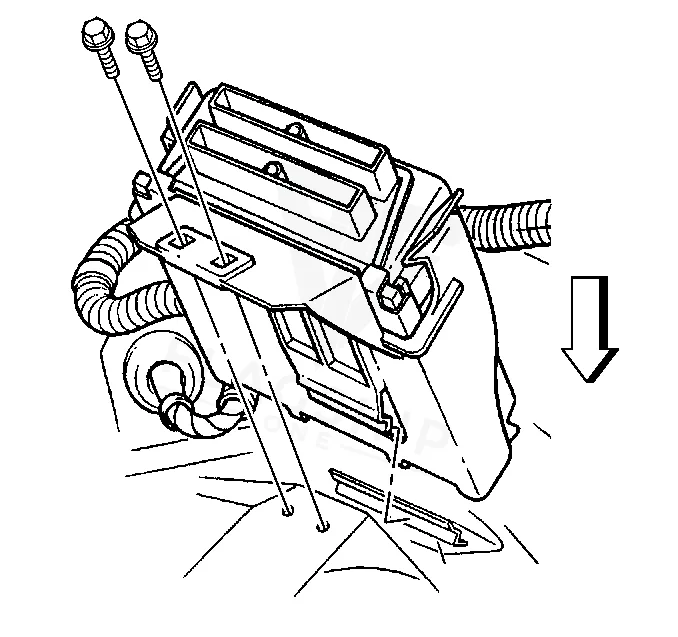
Work with the ignition off, and treat the module as static-sensitive: avoid touching the connector pins at any point.
| Operation | Configuration | Book Time |
|---|---|---|
| Engine Control Module R&R | All configurations | 0.9 hr |
| Engine Control Module Relearn | All configurations | 0.5 hr |
| Powertrain Control Module R&R | All configurations | 0.9 hr |
| Powertrain Control Module Relearn | All configurations | 0.5 hr |
2001 Chevrolet Camaro
OEM programmed ECM for your 2001 Chevrolet Camaro — plug & play, no dealer visit.
Free shipping · Lifetime warranty
Once the PCM is physically installed, the factory procedure calls for a relearn operation that takes about 0.5 hours. This step updates the module with the vehicle’s specific calibration data, including idle settings and transmission shift patterns. Flagship One supplies a a VIN‑programmed replacement unit that already contains the correct calibration for your Camaro, eliminating the need for on‑site coding and reducing the chance of errors during the relearn process. Nonetheless, technicians should still verify that the module communicates correctly with the scan tool after installation.
Typical signs of a failing PCM in a 2001 Chevrolet Camaro include a complete no‑start condition, rough idle, unexpected stall while cruising, and erratic shift timing. You may also notice the check engine light flashing and the scan tool reporting a variety of codes. One common fault is CPU internal error, which indicates a problem inside the module’s processor. Other symptoms can be a loss of power, poor fuel economy, or the inability to engage certain drive‑by‑wire functions. These issues often appear suddenly and may be accompanied by intermittent loss of communication with diagnostic equipment.
The following diagnostic trouble codes are stored internally by the PCM when it detects faults in the 2001 Chevrolet Camaro:
The factory book lists 0.9 hours for the removal and installation of the PCM, plus an additional 0.5 hours for the required relearn procedure.
Only basic hand tools are required, but the ignition must be off and the battery disconnected to prevent electrostatic discharge when handling the connector.
Yes, because the unit arrives VIN‑programmed, the dealer‑only coding step is omitted, though a generic scan tool should still be used to verify communication.
P0601 signals an internal processor error within the PCM, which often points to a failing module or corrupted software.
The factory recommends noting the remaining oil life each time the PCM is removed, as this information is used during the relearn process.
When the PCM in your 2001 Chevrolet Camaro needs attention, you can choose a factory‑repaired unit or a Flagship One refurbished replacement. Both options restore the vehicle’s control logic, but the Flagship One part arrives pre‑programmed, potentially saving you the relearn step. Evaluate the condition of your current module, consider labor costs, and decide which path best fits your repair plan.
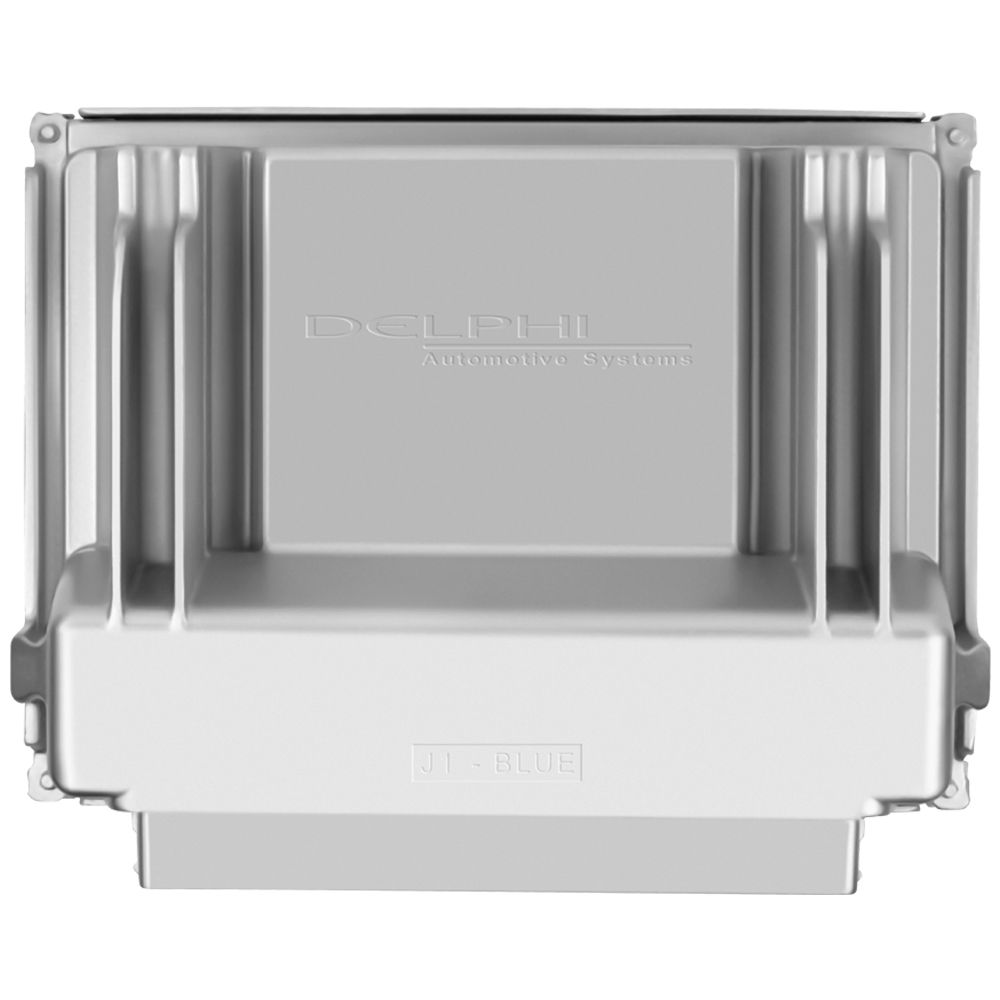
Flagship One stocks a refurbished, VIN-programmed PCM for the 2001 Chevrolet Camaro with a lifetime warranty, free shipping and no core charge. The full Chevrolet Camaro module lineup covers other engine configurations as well.
Replacing the PCM in a 2001 Chevrolet Camaro restores the engine and transmission control logic, allowing the vehicle to perform as designed. Whether you opt for a repaired OEM part or a Flagship One refurbished unit, proper handling and programming are essential. Contact a qualified technician to discuss the best solution for your specific situation.