
Last updated on August 25th, 2026 at 12:16 pm
In the 2000 Dodge Ram Van the Powertrain Control Module (PCM) governs fuel delivery, ignition timing and transmission control. A failure typically disrupts engine start, causes erratic idle, or prevents scan‑tool communication, often triggering a P0601 diagnostic code.
When a 2000 Dodge Ram Van exhibits no‑start conditions, rough idle, or loss of communication with a scan tool, the Powertrain Control Module is a common suspect. Understanding how this computer operates, where it resides, and what steps are required after replacement can save you time and money. This guide walks you through the module’s function, the typical labor involved, the factory programming process, and how Flagship One’s pre‑programmed units simplify the job. By the end, you’ll know what to expect during a PCM service and how to avoid common pitfalls.
The Powertrain Control Module in the 2000 Dodge Ram Van acts as the brain for the engine and transmission, interpreting sensor data to manage fuel injection, spark timing and gear shifts. It also monitors emission controls and reports faults to the diagnostic system. Because the PCM directly influences drivability, any corruption or hardware fault can lead to stalling, loss of power or a complete no‑start condition. The module’s reliability is essential for meeting emissions standards and maintaining performance. When a replacement is needed, you may consider replacement PCM for 2000 Dodge Ram Van that match the original specifications and software version.
2000 Dodge Ram Van
OEM programmed ECM for your 2000 Dodge Ram Van — plug & play, no dealer visit.
Free shipping · Lifetime warranty
The PCM, identified in the service literature as the JTEC OPERATION unit, is mounted within the vehicle’s engine compartment near the fuel system. Access typically involves removing a few fasteners and disconnecting the electrical connector. Labor times listed for the van indicate a Powertrain Control Module Relearn requires 0.5 hours, while removal and replacement (R&R) is rated at 0.4 hours. These figures reflect standard shop practice and include the time needed to secure the module and reconnect the harness. No torque specifications were provided, so follow the manufacturer’s general fastener guidance to avoid over‑tightening.
Work with the ignition off, and treat the module as static-sensitive: avoid touching the connector pins at any point.
| Operation | Configuration | Book Time |
|---|---|---|
| Powertrain Control Module Relearn | Truck | 0.5 hr |
| Powertrain Control Module Relearn | Van | 0.5 hr |
| Powertrain Control Module R&R | Truck | 0.4 hr |
| Powertrain Control Module R&R | Van | 0.4 hr |
| Powertrain Control Module R&R | GAS | 0.4 hr |
| Powertrain Control Module R&R | DIESEL | 0.7 hr |
| Engine Control Module Relearn | Truck | 0.5 hr |
| Engine Control Module Relearn | Van | 0.5 hr |
After installing a new PCM in your 2000 Dodge Ram Van, the factory procedure calls for reprogramming the unit with the vehicle’s original VIN and mileage using the DRB scan tool. Flagship One supplies each unit already loaded with the correct identification data, so the VIN‑programming step is effectively completed before the part reaches you. The only remaining action is to run the standard Powertrain Control Module Relearn using the same DRB tool, which typically takes about half an hour of labor. This ensures the new computer syncs with the vehicle’s existing sensors and control strategies.
Every VIN-programmed replacement unit from Flagship One arrives with these steps already completed.
A failing PCM in the 2000 Dodge Ram Van often presents as a no‑start condition, rough idle, intermittent stalling, or loss of communication with generic scan tools. Drivers may notice a sudden loss of power during acceleration or unexpected transmission shifts. Diagnostic scans frequently reveal the internal fault code processor clock fault, indicating a timing issue within the module itself. In addition, you might see the check engine light illuminated and experience reduced fuel efficiency as the system reverts to default strategies.
The following internal diagnostic codes are documented for the 2000 Dodge Ram Van PCM:
| Code | Meaning | Full Guide |
|---|---|---|
| P0601 | Internal memory checksum error | Full P0601 guide → |
Service Bulletin #08-39-99 notes that communications may stop between the JTEC PCM and a generic scan tool, while Bulletin #18-037-05 provides a recovery method for flash programming failures using the DRBIII® tool.
| Bulletin | Subject | What It Addresses |
|---|---|---|
| 08-39-99 | 08-39-99 Communications May Stop Between the JTEC PCM and A Generic Scan Tool | — |
| 18-037-05 | 18-037-05 Flash Programming Failure Recovery Using DRBIII® | — |
Factory labor guides list a PCM relearn at about 0.5 hours and removal and replacement at roughly 0.4 hours for the van model.
The DRB series scan tool is required for VIN and mileage programming, as specified by the manufacturer.
P0601 signals a processor clock fault within the PCM, which can cause erratic engine behavior and loss of communication.
No, Flagship One units arrive pre‑programmed with the correct VIN and mileage, so only the standard relearn procedure is needed.
Improper handling or excessive torque on the connector can damage the module, so follow the recommended fastener procedures and avoid pulling on the wiring harness.
When a PCM fails in your 2000 Dodge Ram Van, you can choose between a repair that restores the original unit or a refurbished replacement that meets factory specifications. Both options require the same relearn steps, but a pre‑programmed replacement from Flagship One eliminates the need for VIN entry, streamlining the installation process while maintaining the vehicle’s performance standards.
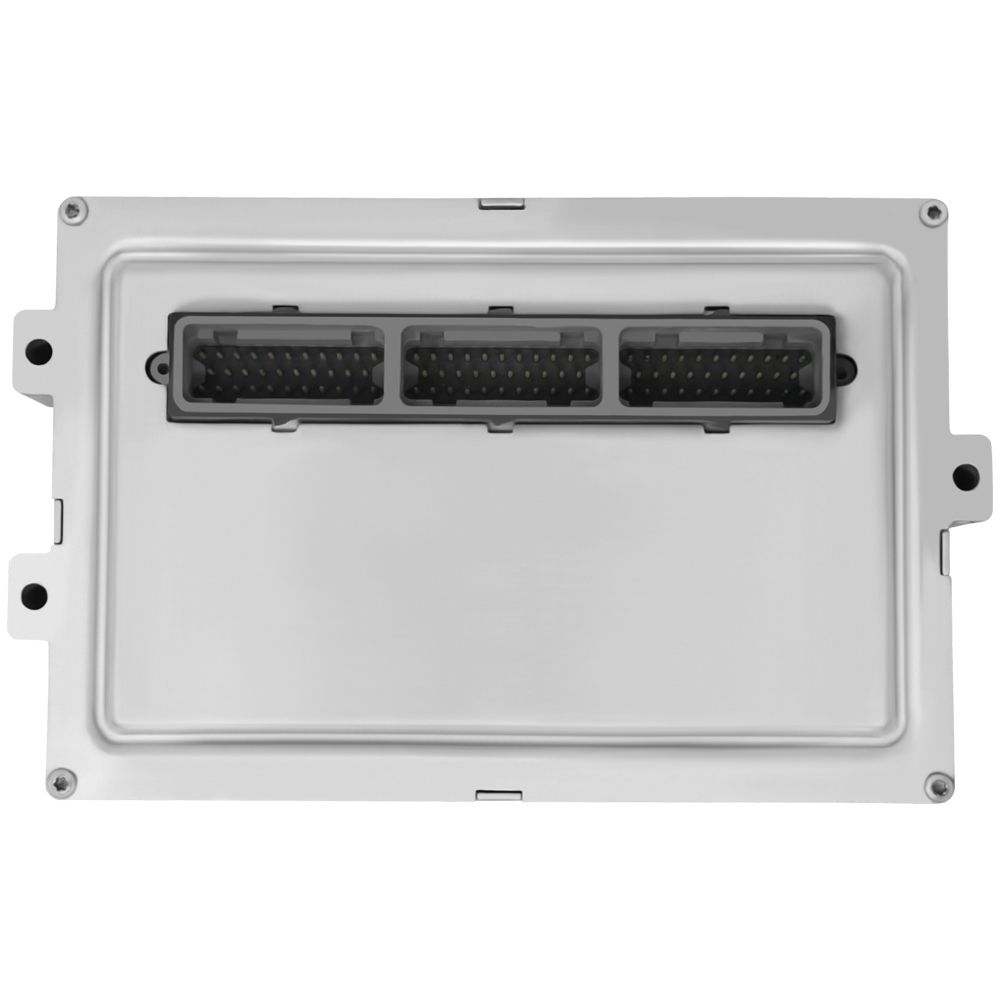
Flagship One stocks a refurbished, VIN-programmed PCM for the 2000 Dodge Ram Van with a lifetime warranty, free shipping and no core charge. The full Dodge Ram Van module lineup covers other engine configurations as well.
The Powertrain Control Module is vital to the operation of your 2000 Dodge Ram Van. Whether you repair or replace it, following the proper relearn and programming steps ensures reliable performance. Consider a Flagship One pre‑programmed unit to reduce downtime and simplify the job.