
Last updated on August 25th, 2026 at 01:49 pm
The Engine Control Module in your 1999 Nissan Altima is the primary computer managing the 2.4L engine’s fuel injection, ignition timing, and emissions systems. When this module fails, the engine may run poorly or not start at all, and diagnostic scan tools often cannot communicate with the vehicle.
If your 1999 Nissan Altima has developed starting problems, runs poorly, or your check engine light stays on despite clearing codes, the Engine Control Module may be the culprit. The ECM or PCM (the terms are often used interchangeably for this model year) serves as the brain of your 2.4L engine, continuously adjusting fuel delivery and ignition timing based on sensor inputs. When this computer fails or develops internal faults, the engine may run rough, stall unexpectedly, or refuse to start entirely. Many owners facing these symptoms wonder whether to pursue expensive dealer repairs or explore aftermarket alternatives. This guide explains what the control module does in your Altima, common failure symptoms, the replacement process, and your options for getting back on the road. You will gain a clear understanding of what to expect from diagnosis through completion, whether you plan to repair the vehicle yourself or have it serviced professionally.
The Engine Control Module in your 1999 Nissan Altima functions as the central computer responsible for managing the 2.4L four-cylinder engine’s operational parameters. This replacement engine computers for the Altima processes input from numerous sensors—including the crankshaft position sensor, camshaft position sensor, coolant temperature sensor, and mass airflow sensor—to calculate optimal fuel injector pulse width and ignition timing for every operating condition. The module also controls the automatic transmission shift points on models so equipped, making it integral to both engine performance and drivability. In the Altima’s design, the ECM receives power through the ignition switch and relies on multiple ground points for proper circuit completion. The module stores calibration data specific to your vehicle’s Vehicle Identification Number, which is why replacement units require programming to match your particular car. When the internal memory circuits within the ECM become corrupted or the processor can no longer communicate with downstream components, the engine may exhibit multiple fault symptoms simultaneously. This is distinct from sensor failures, which typically produce single-system fault codes rather than global communication losses.
1999 Nissan Altima
OEM programmed replacements — plug & play, no dealer visit.
Find yours by year, make & model →
Free shipping · Lifetime warranty
The control module on the 1999 Nissan Altima is located inside the passenger compartment, typically mounted in the area beneath the glove box or on the passenger side of the center console, depending on the exact production variant. Accessing the module requires removing interior trim panels and potentially the glove box assembly itself to reach the mounting bracket. The replacement procedure begins with disconnecting the battery negative terminal to prevent electrical shorts, then removing the module’s electrical connectors by releasing the locking tabs. The old module is unbolted from its mounting location, and the new or refurbished unit is installed in the reverse order. Book time for the R&R (remove and replace) procedure is 0.6 hours for either the PCM or ECM, though actual time may vary based on access difficulty and connector condition. After physical installation, the module must undergo a relearn procedure taking an additional 0.5 hours using Nissan factory diagnostic software or equivalent OE-grade scan tool to calibrate the new computer to your vehicle’s specific sensors and actuators.
| Operation | Configuration | Book Time |
|---|---|---|
| Powertrain Control Module R&R | All configurations | 0.6 hr |
| Powertrain Control Module Relearn | All configurations | 0.5 hr |
| Engine Control Module R&R | All configurations | 0.6 hr |
| Engine Control Module Relearn | All configurations | 0.5 hr |
Following physical replacement of the Engine Control Module in your 1999 Nissan Altima, the factory procedure requires performing a relearn or initialization process using Nissan CONSULT diagnostic equipment or equivalent OE-grade scan tool. This procedure synchronizes the new module with your vehicle’s specific engine calibration, establishes communication with the transmission control module (if equipped), and resets adaptive fuel trims. The relearn process takes approximately 0.5 hours of book time and must be completed before the vehicle will run properly. However, a VIN-programmed replacement unit from Flagship One arrives pre-programmed with your specific vehicle’s VIN and calibration data, meaning the relearn procedure is already completed before the module is shipped. This can save you the cost of dealer programming fees and ensures the unit will function immediately upon installation. The key advantage of receiving a pre-programmed unit is that the complex Nissan-specific programming procedures are handled at the factory, leaving only the physical replacement and basic verification steps for your installer.
When the Engine Control Module in a 1999 Nissan Altima begins to fail, symptoms often manifest progressively rather than all at once. One of the most common indicators is a no-start condition where the engine cranks normally but receives no fuel or spark because the ECM has stopped commanding the injectors. Stalling after startup is another frequent complaint, particularly when the module loses the ability to maintain idle speed control based on coolant temperature inputs. Drivers may also notice multiple misfire codes (P0300 series) appearing across cylinders despite replacing spark plugs and ignition coils, suggesting the ECM is not properly sequencing fuel delivery. In some cases, the scan tool may fail to communicate with the vehicle entirely, displaying a connection error or showing no modules present on the CAN bus. Automatic transmission models may exhibit harsh shifting or failure to shift into gear because the ECM also controls shift solenoids based on sensor inputs. The check engine light may remain illuminated even after clearing codes with a generic scan tool, indicating the module has stored internal faults that require replacement to resolve. internal control module memory check sum error specifically indicates the ECM has detected an internal memory corruption problem that cannot be cleared through normal means and typically necessitates module replacement.
Nissan has published two service bulletins relevant to the 1999 Altima’s control module. Technical Bulletin NTTB11074 covers the reprogramming procedure using CONSULT diagnostic equipment, outlining the factory-approved method for updating module calibration data when performing replacement. Technical Bulletin TSB 99006 addresses a condition where condensation from the air conditioning evaporator can leak onto the ECM, potentially causing illumination of the check engine light and driveability complaints. This bulletin applies specifically to 1998-1999 model year Altimas and recommends inspecting the HVAC housing for proper drainage as part of any control module replacement. Both bulletins emphasize the importance of proper diagnostic procedures before assuming module failure, as other issues can produce similar symptoms.
| Bulletin | Subject | What It Addresses |
|---|---|---|
| — | EC – ENGINE CONTROL SYSTEM: REPROGRAMMING WITH CONSULT | — |
| — | HA – HEATER & AIR CONDITIONER: 1998-99 ALTIMA, MIL ‘ON’ AND/OR POOR DRIVEABILITY | — |
No. The replacement ECM must be programmed with your specific vehicle’s VIN and calibration data to function properly. An unprogrammed unit will not communicate with your Altima’s sensors and may cause the engine to not start. Flagship One provides VIN-programmed units specific to your vehicle.
The physical replacement can be performed by a competent DIY mechanic with basic tools, but the post-installation relearn procedure typically requires factory-grade diagnostic equipment. Flagship One units arrive VIN-programmed, which may eliminate the need for dealer programming after installation.
If your scan tool cannot communicate with the vehicle at all, or if you have persistent codes like P0601 that return immediately after clearing, the ECM likely has an internal failure. A professional diagnosis using manufacturer-level software can confirm whether replacement is necessary.
Common causes include voltage spikes from a faulty alternator or jump-starting, water damage from HVAC leaks (as detailed in TSB 99006), heat exposure from poor grounding, and corrosion at the electrical connections. Preventing these conditions can extend module life.
This depends on the overall condition of the vehicle. If the body, transmission, and other major systems are sound, installing a replacement ECM can extend the Altima’s useful life significantly. Flagship One offers cost-effective alternatives to dealer pricing for VIN-programmed replacement units.
When your 1999 Nissan Altima requires a replacement control module, you essentially have two primary options: a new unit from the dealer at significantly higher cost, or a professionally refurbished and VIN-programmed replacement from Flagship One. The refurbished approach provides a cost-effective alternative that arrives pre-programmed with your specific vehicle’s calibration, potentially eliminating dealer programming fees. Either way, ensure your installer is familiar with the Altima’s specific mounting location and understands the importance of the post-installation relearn procedure. Given the vehicle’s age, a quality replacement module from a reputable supplier can restore reliable operation without the expense of a newer vehicle.
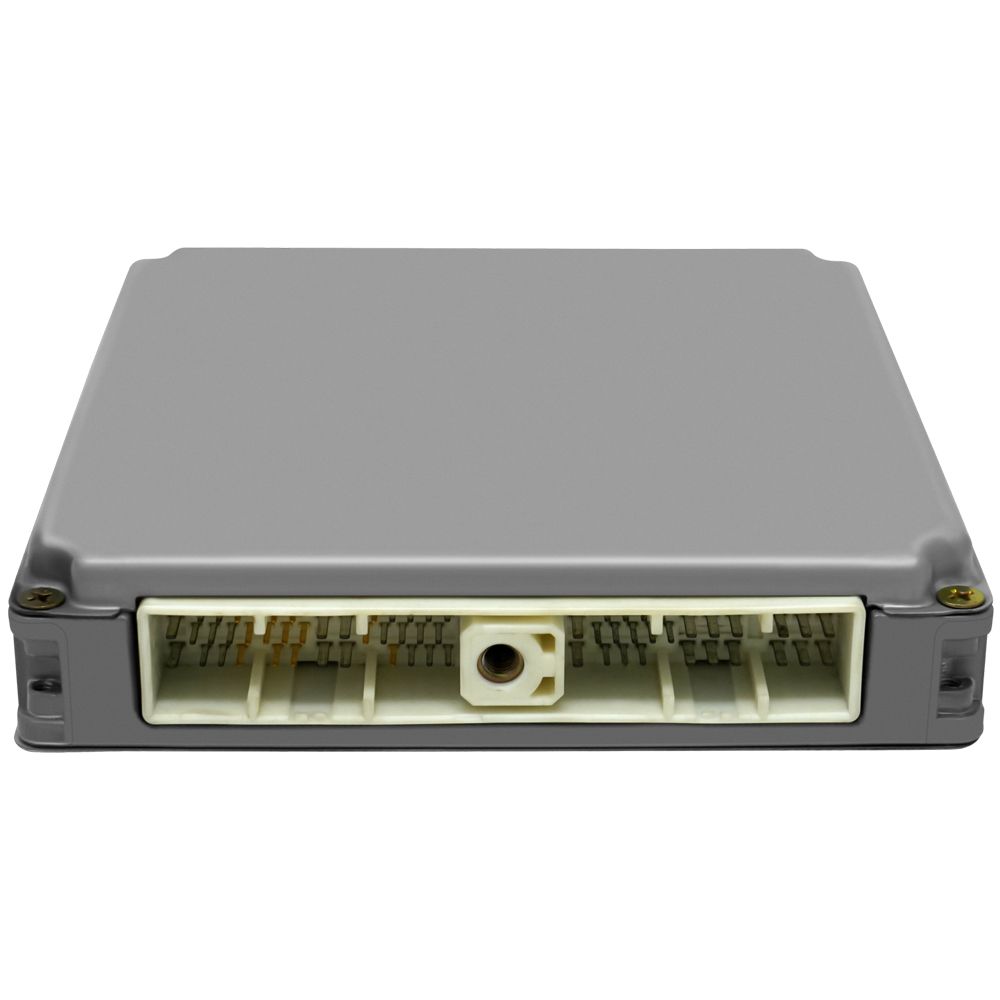
Flagship One stocks a refurbished, VIN-programmed PCM for the 1999 Nissan Altima with a lifetime warranty, free shipping and no core charge. The full Nissan Altima module lineup covers other engine configurations as well.
The Engine Control Module in your 1999 Nissan Altima is a critical component that manages your 2.4L engine’s operation. When symptoms like no-start, stalling, or multiple fault codes appear, the ECM may be at fault. Understanding the replacement process, programming requirements, and your supplier options helps you make informed decisions about the repair. Whether you choose dealer service or a VIN-programmed replacement unit from Flagship One, addressing control module issues promptly restores your Altima’s reliability and gets you back on the road.