
Last updated on August 25th, 2026 at 01:49 pm
In the 1998 Nissan Altima, the powertrain control module (PCM) and engine control module (ECM) manage fuel delivery, ignition timing and emission controls. A failure typically disrupts engine operation, triggers diagnostic codes and may illuminate the malfunction indicator lamp, leading to reduced performance and drivability issues.
When a 1998 Nissan Altima begins to show a persistent malfunction indicator lamp, erratic idle or a loss of power, the underlying cause often points to the vehicle’s computer modules. Understanding how the powertrain control module and engine control module function, what the factory recommends for removal and replacement, and which service bulletins apply can help you decide whether a repair or a refurbished replacement is the better path. This guide walks you through the typical labor steps, the required relearn procedures, and the symptoms that may prompt a module swap, giving you the confidence to make an informed choice for your Altima.
1998 Nissan Altima
OEM programmed ECM for your 1998 Nissan Altima — plug & play, no dealer visit.
Free shipping · Lifetime warranty
The powertrain control module in the 1998 Nissan Altima acts as the central brain for the engine and transmission, interpreting sensor data to adjust fuel injection, ignition timing and shift points. The engine control module performs a similar role focused on combustion control and emission monitoring. Together they ensure the engine runs smoothly and meets regulatory standards. A malfunction can cause rough idle, loss of power, or a illuminated MIL. Proper operation is critical because the vehicle relies on these modules for fuel efficiency and emissions compliance. The Altima uses specific replacement engine computers for the 1998 model, 1998 Nissan Altima PCM and ECM that match the original specifications and communication protocols.
Both the PCM and ECM are located within the engine compartment of the 1998 Nissan Altima, typically mounted near the firewall and secured with bolts. Removal follows the book time of 0.6 hours for each module, which includes disconnecting the electrical connectors and unbolting the housing. Access may require removing the air intake duct to reach the mounting points. After the old unit is extracted, the replacement is positioned, bolts tightened to the specified torque, and connectors reattached. The labor estimate includes the steps needed to safely route the wiring and secure the module in its proper location.
| Operation | Configuration | Book Time |
|---|---|---|
| Powertrain Control Module R&R | All configurations | 0.6 hr |
| Powertrain Control Module Relearn | All configurations | 0.5 hr |
| Engine Control Module R&R | All configurations | 0.6 hr |
| Engine Control Module Relearn | All configurations | 0.5 hr |
Once a new PCM or ECM is installed in the Altima, the factory procedure calls for a relearn process to sync the module with the vehicle’s existing sensors and transmission control strategy. The required steps include a Powertrain Control Module relearn lasting 0.5 hours and an Engine Control Module relearn of the same duration. Flagship One supplies a VIN‑programmed replacement unit, a VIN-programmed replacement unit, which arrives with the necessary calibration data already loaded, so those relearn steps are already completed at the factory and typically do not need to be repeated in the shop.
A failing PCM or ECM in a 1998 Nissan Altima may manifest as a steady or flashing MIL, rough idle, hesitation during acceleration, or intermittent loss of power. Drivers often notice poor driveability, especially when the A/C is engaged, which aligns with bulletin NTB99006 describing evaporator condensation leaking onto the ECM. Diagnostic scans frequently reveal codes such as PCM internal communication error that point directly to the control module. Additional signs include stalling at low speeds, misfire detections, and a lack of response from the scan tool, indicating a loss of communication with the module.
Bulletin NTB11074 outlines a reprogramming requirement for the engine control system when using a consult procedure. Bulletin NTB99006 addresses a condition where the A/C evaporator condensation can leak onto the ECM, causing the MIL to illuminate and driveability to suffer. Both service bulletins provide factory‑approved corrective actions specific to this model year.
| Bulletin | Subject | What It Addresses |
|---|---|---|
| — | EC – ENGINE CONTROL SYSTEM: REPROGRAMMING WITH CONSULT | — |
| — | HA – HEATER & AIR CONDITIONER: 1998-99 ALTIMA, MIL ‘ON’ AND/OR POOR DRIVEABILITY | — |
The book time for removing and installing the powertrain control module on a 1998 Nissan Altima is listed as 0.6 hours, which includes disconnecting connectors and securing the unit.
Yes, the factory procedure calls for an Engine Control Module relearn that takes about 0.5 hours after the unit is installed.
According to service bulletin NTB99006, condensation from the evaporator can leak onto the ECM, potentially causing driveability issues and triggering the MIL.
A VIN‑programmed unit arrives with the correct calibration data, eliminating the need for post‑install coding and ensuring compatibility with the vehicle’s systems.
Code P0601 signals an internal communication error within the powertrain control module, which is a common indicator of PCM failure.
When your 1998 Nissan Altima requires a PCM or ECM replacement, you can choose a factory‑repaired unit or a refurbished module that meets OEM specifications. Both options address the same labor and relearn requirements, but a refurbished unit from Flagship One may provide cost savings while still delivering the necessary performance for your vehicle.
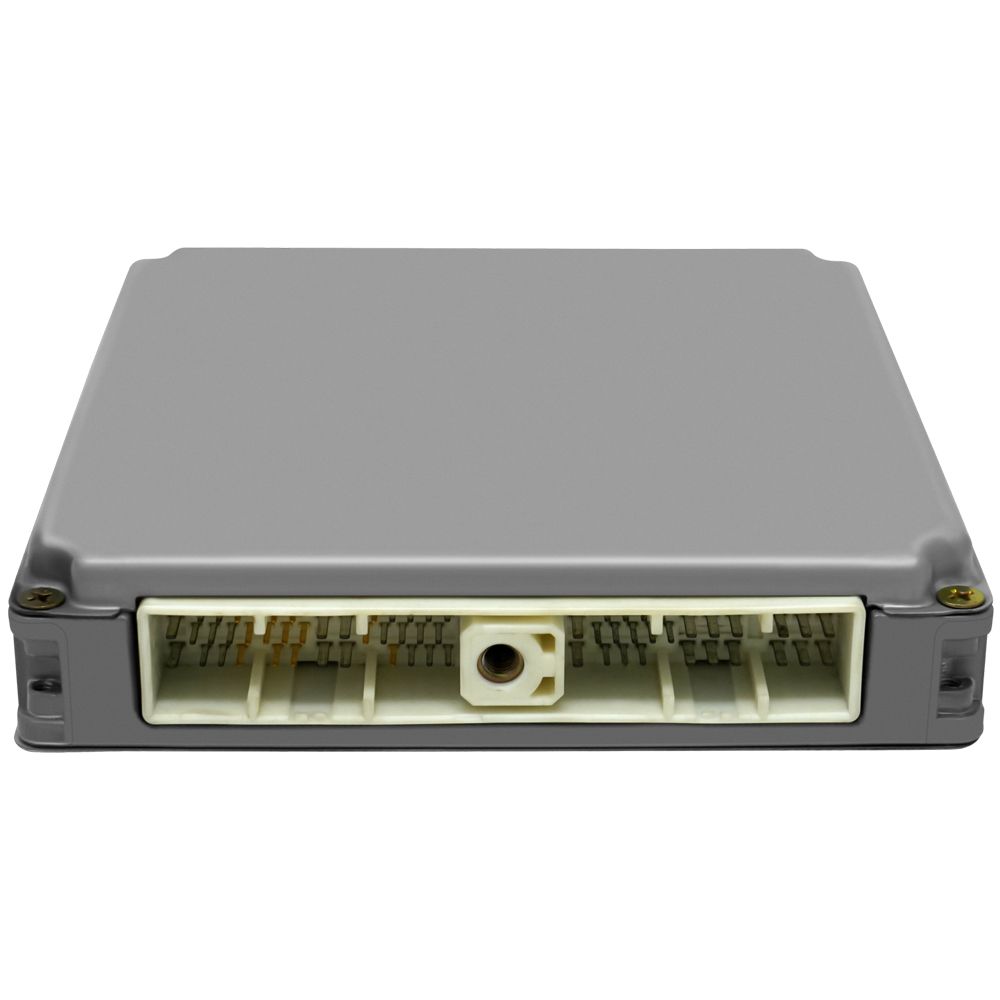
Flagship One stocks a refurbished, VIN-programmed PCM for the 1998 Nissan Altima with a lifetime warranty, free shipping and no core charge. The full Nissan Altima module lineup covers other engine configurations as well.
If you are experiencing PCM or ECM issues in your 1998 Nissan Altima, evaluating repair versus refurbished replacement options can help you restore reliable operation. Consider the labor, relearn steps and factory bulletins to make the best decision for your vehicle.