
Last updated on August 25th, 2026 at 12:49 pm
The Powertrain Control Module (PCM) in your 1999 Dodge Grand Caravan acts as the brain for engine and transmission functions. Failures may lead to erratic performance, stalling, or a complete no-start condition, often triggered by electrical faults or internal corruption.
If your 1999 Dodge Grand Caravan has been acting up—stalling at stops, refusing to start, or shifting unpredictably—the Powertrain Control Module (PCM) may be the culprit. This critical component oversees everything from fuel delivery to transmission behavior, and when it fails, your minivan’s drivability suffers. Replacing the PCM isn’t just about swapping a box; it involves precise labor steps, a relearn procedure, and programming to match your vehicle’s original data. Understanding these requirements helps you avoid unnecessary delays or misdiagnoses. Whether you’re a DIYer or working with a shop, knowing the exact labor times, programming needs, and common failure symptoms ensures a smoother repair process. This guide breaks down what the PCM does, where it’s located, how to replace it, and why choosing the right replacement unit matters for your Grand Caravan’s performance and reliability.
The Powertrain Control Module (PCM) in your 1999 Dodge Grand Caravan serves as the central command for engine and transmission operations. It processes data from sensors to regulate fuel injection, ignition timing, and shift points, ensuring optimal performance and efficiency. Without a functioning PCM, your minivan may struggle to start, idle roughly, or shift erratically. The module also stores diagnostic trouble codes, which mechanics use to pinpoint issues like misfires or sensor failures. When the PCM fails, symptoms often mimic other problems—such as a bad fuel pump or faulty transmission—so accurate diagnosis is key. Replacing it with replacement engine computers for the Grand Caravan ensures compatibility and restores proper communication between your vehicle’s systems. Given its role in managing critical functions, a reliable PCM is essential for maintaining your Grand Caravan’s drivability and fuel economy over time.
1999 Dodge Grand Caravan
OEM programmed ECM for your 1999 Dodge Grand Caravan — plug & play, no dealer visit.
Free shipping · Lifetime warranty
In the 1999 Dodge Grand Caravan, the PCM is mounted inside the engine compartment, typically secured near the firewall or inner fender. Accessing it requires removing a protective cover or panel, which may involve unbolting a few fasteners. The labor time for removing and reinstalling the module is 0.6 hours, according to factory estimates. This includes disconnecting the wiring harness, unbolting the module, and securing the new unit in place. No specialized tools are required beyond basic hand tools, but care must be taken to avoid damaging the connectors or pins during removal. Once the new PCM is installed, the wiring harness is reconnected, and the relearn procedure begins. The entire process is straightforward but demands attention to detail to prevent electrical issues or poor connections.
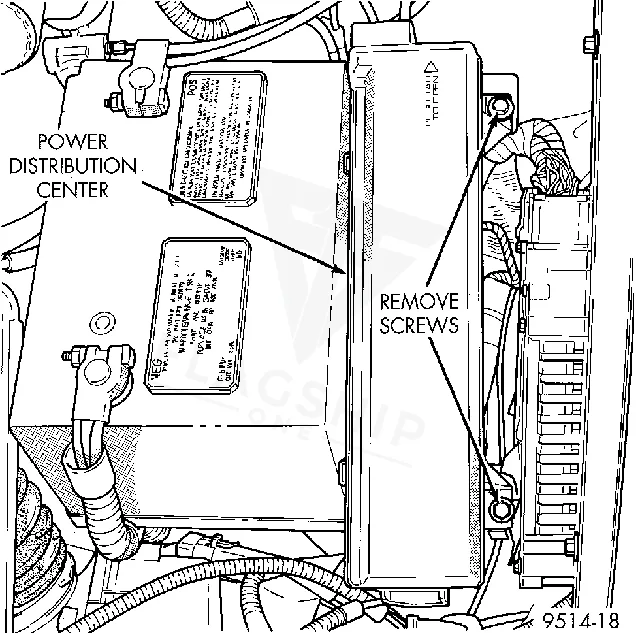
Work with the ignition off, and treat the module as static-sensitive: avoid touching the connector pins at any point.
| Operation | Configuration | Book Time |
|---|---|---|
| Engine Control Module Relearn | Caravan | 0.5 hr |
| Engine Control Module Relearn | Grand Caravan | 0.5 hr |
| Engine Control Module R&R | Caravan | 0.6 hr |
| Engine Control Module R&R | Grand Caravan | 0.6 hr |
| Powertrain Control Module Relearn | Caravan | 0.5 hr |
| Powertrain Control Module Relearn | Grand Caravan | 0.5 hr |
| Powertrain Control Module R&R | Caravan | 0.6 hr |
| Powertrain Control Module R&R | Grand Caravan | 0.6 hr |
After installing a new PCM in your 1999 Dodge Grand Caravan, the factory procedure requires reprogramming the module with the vehicle’s original VIN and mileage using a DRB scan tool. This step ensures the PCM recognizes your minivan’s specific configuration and operates correctly. Skipping this process may result in poor performance, shifting problems, or even a no-start condition. However, a VIN-programmed replacement unit from Flagship One arrives pre-configured with your Grand Caravan’s data, eliminating the need for manual reprogramming. This saves time and reduces the risk of errors during the installation. If you’re using a non-programmed module, the relearn procedure takes an additional 0.5 hours of labor, as the DRB tool must communicate with the PCM to finalize the setup. Always verify the VIN and mileage match your vehicle’s records to avoid drivability issues.
A failing PCM in your 1999 Dodge Grand Caravan may cause a range of symptoms, some of which can be mistaken for other mechanical issues. Common signs include intermittent stalling, especially at idle or during deceleration, as the module struggles to maintain proper fuel and ignition control. You might also experience a no-start condition, where the engine cranks but refuses to fire, often due to the PCM failing to send signals to the fuel pump or injectors. Rough idling, misfires, or sudden drops in power while driving are other red flags, as the PCM may incorrectly adjust air-fuel ratios or ignition timing. Transmission shifting problems, such as harsh or delayed gear changes, can also stem from PCM failure, since it governs shift solenoids and torque converter lockup. On the diagnostic side, a dead scan tool connection or persistent internal control module memory checksum error may indicate PCM corruption. Electrical issues, like flickering dashboard lights or erratic sensor readings, often accompany these symptoms, as the module’s ability to process data becomes compromised. If your Grand Caravan exhibits multiple issues simultaneously, the PCM should be high on the list of suspects.
Factory service bulletin #18-037-05 addresses flash programming failure recovery for the PCM in your 1999 Dodge Grand Caravan. This bulletin outlines steps to troubleshoot and resolve issues that may arise during reprogramming, such as incomplete data transfer or communication errors with the DRBIII scan tool. If the PCM fails to accept the new programming, the bulletin provides guidance on resetting the module and retrying the procedure. Following these steps can prevent unnecessary module replacements and ensure the reprogramming process completes successfully. Always refer to this bulletin if you encounter programming difficulties after installing a new PCM.
| Bulletin | Subject | What It Addresses |
|---|---|---|
| 18-037-05 | 18-037-05 Flash Programming Failure Recovery Using DRBIII® | — |
Stalling after a PCM replacement often occurs if the relearn procedure wasn’t completed. The module needs to recalibrate to your vehicle’s sensors and fuel system. Using a DRB scan tool to perform the relearn, which takes about 0.5 hours, typically resolves this issue. If the problem persists, verify the VIN and mileage were correctly programmed into the new PCM.
Driving with a failing PCM is risky, as it may lead to sudden stalling, misfires, or transmission shifting problems. In some cases, the vehicle may not start at all. If you notice symptoms like rough idling or warning lights, have the PCM inspected promptly to avoid further damage or unsafe driving conditions.
A bad PCM often triggers multiple unrelated symptoms, such as stalling, misfires, and shifting problems simultaneously. Sensors typically cause isolated issues, like a single misfire code or poor fuel economy. If your scan tool can’t communicate with the PCM or logs internal module errors, the PCM itself is likely the problem.
Without reprogramming, the new PCM won’t recognize your Grand Caravan’s VIN or mileage, leading to poor performance, shifting issues, or a no-start condition. The factory procedure requires a DRB scan tool to input this data, which takes about 0.5 hours. Skipping this step may also prevent the module from storing future trouble codes correctly.
Replacing the PCM is a straightforward process if you’re comfortable with basic tools and electrical connections. However, the relearn and programming steps require a DRB scan tool, which may not be accessible to DIYers. If you’re unsure about the programming process, it’s best to have a professional handle the installation to avoid drivability issues.
If your 1999 Dodge Grand Caravan is experiencing PCM-related issues, you have two main options: repair the existing module or replace it with a refurbished unit. Given the complexity of diagnosing internal PCM faults, replacement is often the more reliable choice. A VIN-programmed replacement from Flagship One ensures your minivan’s data is pre-loaded, saving time and reducing the risk of programming errors. Whether you’re working with a shop or tackling the job yourself, choosing the right module is critical for restoring your Grand Caravan’s performance and drivability.
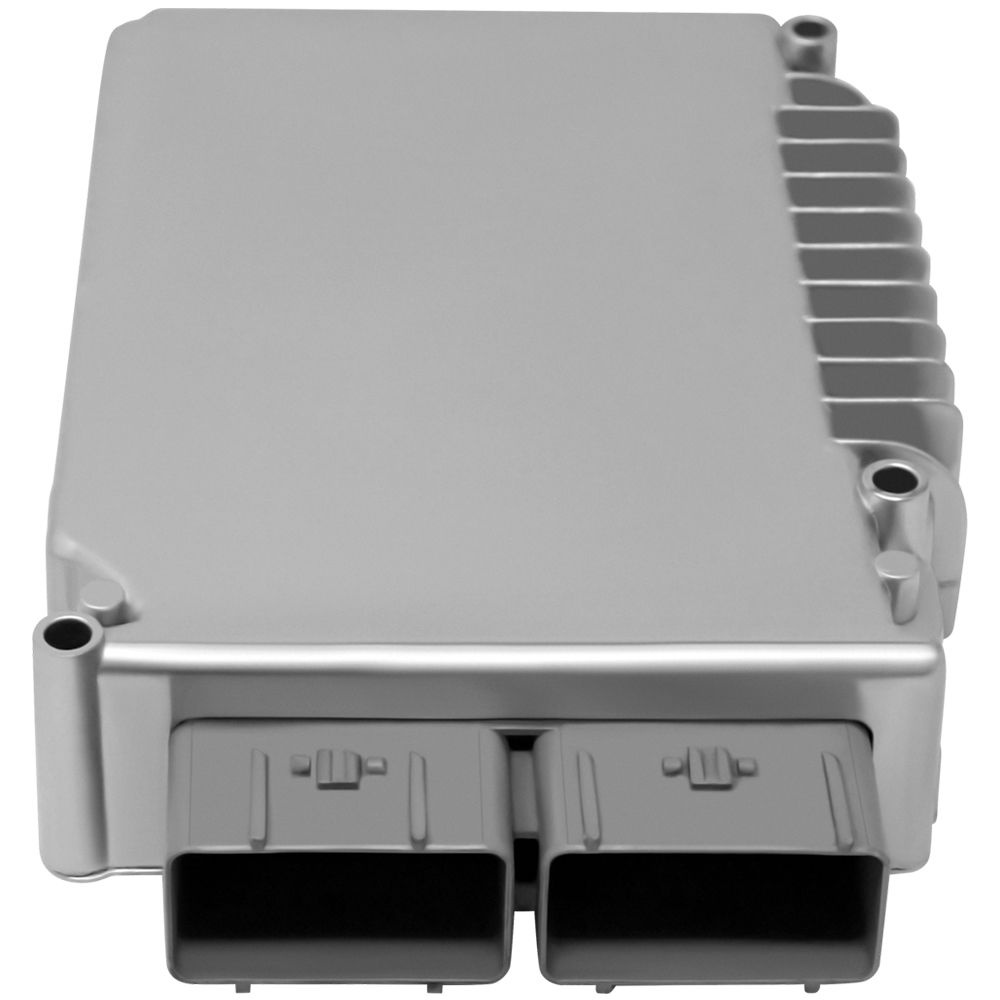
Flagship One stocks a refurbished, VIN-programmed PCM for the 1999 Dodge Grand Caravan with a lifetime warranty, free shipping and no core charge. The full Dodge Grand Caravan module lineup covers other engine configurations as well.
The PCM in your 1999 Dodge Grand Caravan plays a vital role in managing engine and transmission functions, and its failure can lead to frustrating drivability issues. Understanding the replacement process, programming requirements, and common symptoms helps you make informed decisions about repairs. Whether you opt for a DIY approach or professional installation, ensuring the module is correctly programmed and relearned is key to getting your minivan back on the road reliably. If you’re ready to address PCM problems, a pre-programmed replacement unit can simplify the process and restore your Grand Caravan’s performance.