
Last updated on August 25th, 2026 at 02:29 pm
The Powertrain Control Module (PCM) in your 1999 Chevrolet Silverado manages engine and transmission functions. Failures may cause no-start conditions, erratic shifting, or stored trouble codes related to internal memory or communication errors.
If your 1999 Chevrolet Silverado is experiencing intermittent stalling, a no-start condition, or unexplained trouble codes, the Powertrain Control Module (PCM) may be at fault. This critical component oversees engine performance and transmission behavior, and its failure can disrupt multiple systems. Replacing it involves careful handling to avoid damage, along with specific post-installation steps to ensure proper function. Understanding the process, labor requirements, and common symptoms can help you make informed decisions about repairs or replacements, restoring your vehicle’s reliability without unnecessary delays.
The PCM in your 1999 Chevrolet Silverado acts as the brain for both the engine and transmission, controlling fuel delivery, ignition timing, and shift points. It processes data from sensors to optimize performance and emissions. When it fails, you may notice poor drivability, reduced fuel efficiency, or warning lights on the dashboard. Replacing it requires replacement engine computers for the Silverado that match the original specifications, as incorrect programming or compatibility issues can lead to further malfunctions or diagnostic errors.
In the 1999 Chevrolet Silverado, the PCM is typically located near the engine bay or under the dashboard, depending on the configuration. Replacement involves disconnecting the battery, removing the module’s electrical connectors, and unbolting the unit from its mount. Labor times vary: gas models require 0.8 hours for removal and reinstallation, while diesel or light-duty configurations may take up to 1.4 hours. After installation, a relearn procedure of 0.5 hours is necessary to ensure the module communicates correctly with the vehicle’s systems.
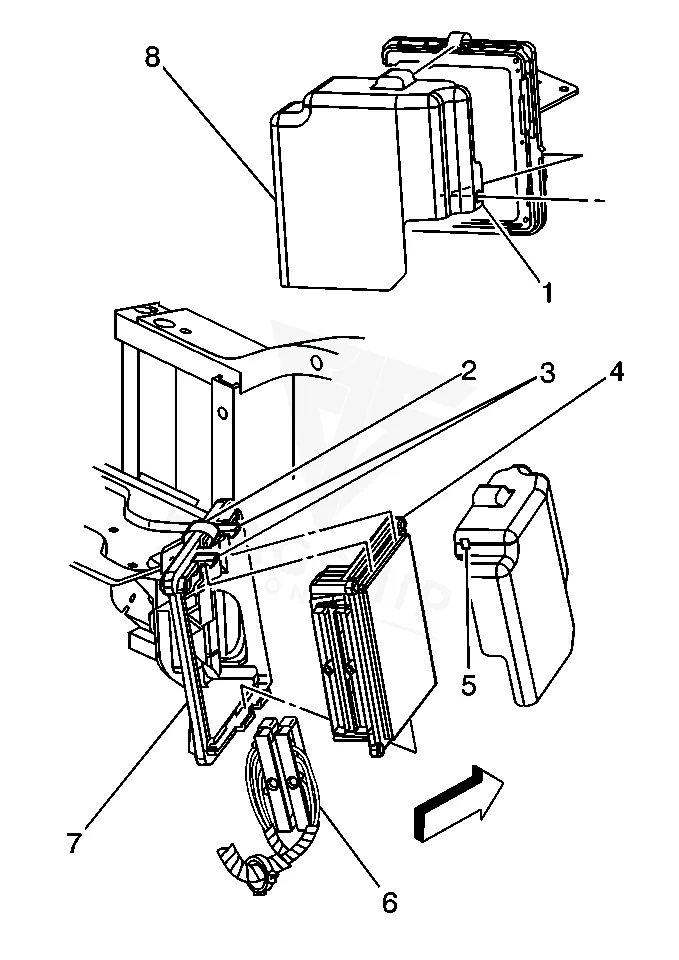
Work with the ignition off, and treat the module as static-sensitive: avoid touching the connector pins at any point.
| Operation | Configuration | Book Time |
|---|---|---|
| Powertrain Control Module R&R | Light Duty | 1.4 hr |
| Powertrain Control Module R&R | GAS | 0.8 hr |
| Powertrain Control Module R&R | DIESEL | 1.4 hr |
| Powertrain Control Module Relearn | Light Duty | 0.5 hr |
| Powertrain Control Module Relearn | Medium/Heavy Truck | 0.5 hr |
| Engine Control Module R&R | Light Duty | 1.4 hr |
| Engine Control Module R&R | GAS | 1.1 hr |
| Engine Control Module R&R | DIESEL | 1.4 hr |
1999 Chevrolet Silverado
OEM programmed ECM for your 1999 Chevrolet Silverado — plug & play, no dealer visit.
Free shipping · Lifetime warranty
After replacing the PCM in your 1999 Silverado, the factory requires programming the EEPROM and performing a password learn procedure to sync the module with the vehicle’s theft deterrent system. These steps are critical to avoid issues like a no-start condition or stored codes such as P1631. However, a VIN-programmed replacement unit from Flagship One arrives ready for installation, eliminating the need for additional programming and reducing downtime.
A failing PCM in your 1999 Chevrolet Silverado may cause a range of symptoms, including intermittent stalling, rough idling, or a complete no-start condition. You might also notice erratic shifting, poor fuel economy, or warning lights on the dashboard. Common trouble codes associated with PCM failure include internal control module memory checksum error, which indicates a problem with the module’s memory integrity. Other codes, like P1631, may point to issues with the theft deterrent system or communication errors between the PCM and other components.
The 1999 Chevrolet Silverado’s PCM may log specific internal trouble codes when it malfunctions. These codes often relate to memory errors, communication faults, or issues with the module’s ability to control engine and transmission functions.
| Code | Meaning | Full Guide |
|---|---|---|
| P0601 | Internal memory checksum error | Full P0601 guide → |
| P0602 | Control module programming error | Full P0602 guide → |
| P0604 | Internal RAM error | Full P0604 guide → |
| P0608 | Module-internal fault | Full P0608 guide → |
| P0650 | Module-internal fault | Full P0650 guide → |
| P0654 | Module-internal fault | Full P0654 guide → |
| P1626 | Module-internal fault | — |
| P1631 | Module-internal fault | — |
| P1635 | Module-internal fault | — |
| P1637 | Module-internal fault | — |
| P1639 | Module-internal fault | — |
Factory service bulletin #99-06-04-053 addresses PCM reprogramming for the 1999 Chevrolet Silverado. This bulletin provides guidelines for updating the module’s software to resolve potential drivability or communication issues. If your vehicle exhibits symptoms like stalling or stored trouble codes, checking for applicable bulletins may help identify known solutions or required updates.
| Bulletin | Subject | What It Addresses |
|---|---|---|
| 99-06-04-053 | Info – PCM Reprogramming – (Oct 26, 1999) | — |
Common signs include a no-start condition, stalling, or stored trouble codes like P0601 or P1631. If the vehicle exhibits erratic shifting or poor performance, a diagnostic scan can help determine if the PCM is the root cause. Always rule out other issues like faulty sensors or wiring before replacing the module.
While the physical replacement is straightforward, the process requires careful handling to avoid electrostatic discharge and proper post-installation programming. If you’re not familiar with automotive electronics, it’s best to have a professional perform the replacement to ensure the module is correctly synchronized with the vehicle’s systems.
The relearn procedure ensures the new PCM communicates properly with the vehicle’s sensors, transmission, and theft deterrent system. Without it, the module may not function correctly, leading to issues like a no-start condition or stored trouble codes. This step is critical for restoring full functionality.
If your 1999 Chevrolet Silverado is showing signs of PCM failure, you have options for repair or replacement. Refurbished units can provide a cost-effective solution, especially when pre-programmed to your VIN to eliminate additional setup steps. Given the labor times and potential for further issues, choosing a reliable replacement module can save time and ensure your vehicle runs smoothly.
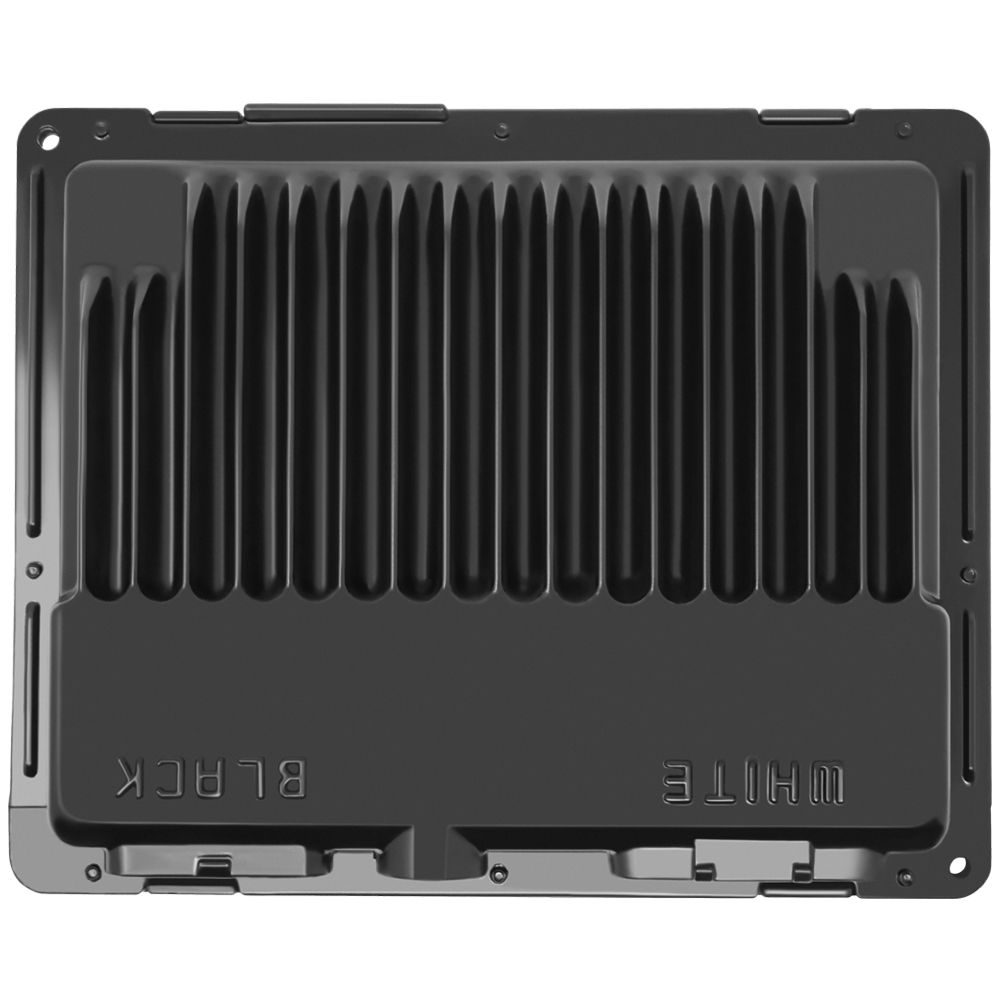
Flagship One stocks a refurbished, VIN-programmed PCM for the 1999 Chevrolet Silverado with a lifetime warranty, free shipping and no core charge. The full Chevrolet Silverado module lineup covers other engine configurations as well.
The 1999 Chevrolet Silverado relies on its PCM to manage critical engine and transmission functions. If you’re experiencing symptoms like stalling, no-start conditions, or stored trouble codes, addressing the issue promptly can restore your vehicle’s performance. Whether you opt for a repair or a pre-programmed replacement, understanding the process helps you make the best choice for your Silverado’s reliability.