
Last updated on August 25th, 2026 at 02:35 pm
The Powertrain Control Module (PCM) or Engine Control Module (ECM) in your 1999 Cadillac Catera manages engine performance, fuel delivery, and emissions. Failure may cause stalling, poor drivability, or diagnostic trouble codes related to internal memory errors.
If your 1999 Cadillac Catera is experiencing unexpected stalling, rough idling, or a no-start condition, the Powertrain Control Module (PCM) or Engine Control Module (ECM) may be the culprit. These modules act as the brain of your vehicle’s engine management system, regulating fuel injection, ignition timing, and emissions controls. When they fail, symptoms can range from subtle drivability issues to complete engine shutdown. Replacing or reprogramming the module requires careful handling to avoid damage and ensure proper function. This guide explains what the module does, where it’s located, and what steps are needed to restore reliable performance to your Catera.
In your 1999 Cadillac Catera, the PCM/ECM is responsible for monitoring and adjusting engine parameters in real time. It processes data from sensors to optimize fuel efficiency, throttle response, and emissions compliance. A malfunctioning module may disrupt these functions, leading to poor performance or even a non-running engine. Proper operation is critical, as the module also interfaces with the transmission and other systems. If replacement becomes necessary, you’ll need replacement engine computers for the Catera to ensure compatibility and avoid further issues. The module’s role extends beyond basic engine control, as it also stores adaptive learning data that affects long-term drivability.
The PCM/ECM in the 1999 Cadillac Catera is typically located in the engine bay, though exact placement may vary. Replacing it involves disconnecting the battery, removing electrical connectors, and unbolting the module from its mount. Factory labor times estimate 0.5 hours for PCM removal and reinstallation (R&R) and 0.6 hours for the ECM. After installation, a relearn procedure of 0.5 hours is required to synchronize the module with the vehicle’s systems. Avoid touching the connector pins or circuit board components to prevent electrostatic damage during handling.
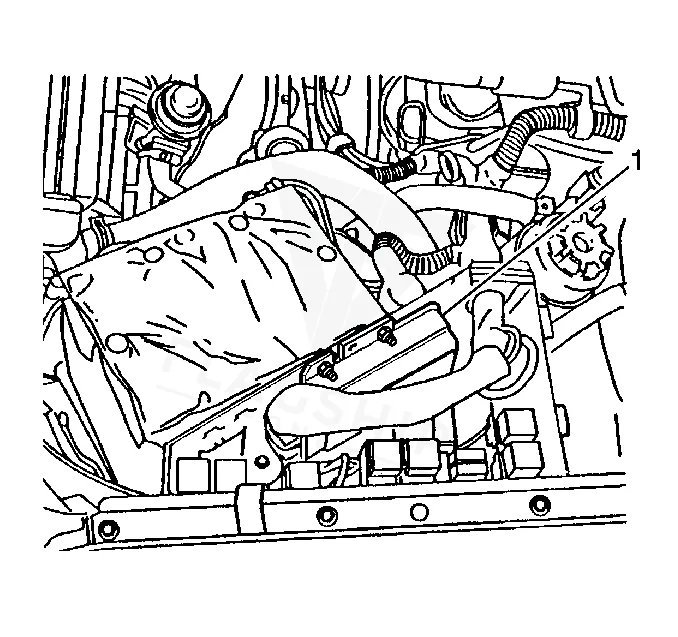
Work with the ignition off, and treat the module as static-sensitive: avoid touching the connector pins at any point.
| Operation | Configuration | Book Time |
|---|---|---|
| Powertrain Control Module R&R | All configurations | 0.5 hr |
| Powertrain Control Module Relearn | All configurations | 0.5 hr |
| Engine Control Module R&R | All configurations | 0.6 hr |
| Engine Control Module Relearn | All configurations | 0.5 hr |
1999 Cadillac Catera
OEM programmed ECM for your 1999 Cadillac Catera — plug & play, no dealer visit.
Free shipping · Lifetime warranty
After replacing the PCM/ECM in your 1999 Cadillac Catera, reprogramming is essential to match the module to the vehicle’s theft deterrent system and other parameters. The factory procedure requires special equipment and the correct calibration files. Additionally, all transponder keys must be reprogrammed to work with the new module. However, a VIN-programmed replacement unit arrives pre-configured, eliminating the need for on-site reprogramming and reducing installation time. This ensures the module is ready to function immediately after installation, provided all other systems are in good condition.
A failing PCM/ECM in your 1999 Cadillac Catera may cause a variety of symptoms, including intermittent stalling, especially during deceleration or slow-speed maneuvers. You might also experience a no-start condition, rough idling, or poor throttle response. Diagnostic trouble codes like internal control module memory checksum error may appear, indicating a fault within the module itself. Other signs include erratic shifting, reduced fuel efficiency, or a lack of communication with a scan tool. If these symptoms arise, the module should be inspected for potential replacement or reprogramming.
The 1999 Cadillac Catera’s PCM/ECM may store specific trouble codes when internal faults occur. These codes help diagnose issues related to the module’s memory, processing, or communication functions. Reviewing them can confirm whether replacement or reprogramming is necessary.
| Code | Meaning | Full Guide |
|---|---|---|
| P0601 | Internal memory checksum error | Full P0601 guide → |
| P0602 | Control module programming error | Full P0602 guide → |
| P0603 | Keep-alive memory (KAM) error | Full P0603 guide → |
| P0604 | Internal RAM error | Full P0604 guide → |
| P0606 | Module processor failure | Full P0606 guide → |
| P0650 | Module-internal fault | Full P0650 guide → |
| P1602 | Module-internal fault | — |
| P1662 | Module-internal fault | — |
Factory service bulletins for the 1999 Cadillac Catera address intermittent engine stalling and PCM reprogramming. Bulletin #00-06-04-034 notes that stalling may occur during deceleration or parking maneuvers, often intermittently. The recommended fix involves reprogramming the Engine Control Unit (ECU). Another bulletin, #99-06-04-053, provides general information on PCM reprogramming procedures. These bulletins highlight the importance of keeping the module updated to prevent drivability issues.
| Bulletin | Subject | What It Addresses |
|---|---|---|
| 00-06-04-034 | Intermittent Engine Stall (Reprogram Engine Control Unit – ECU) – (Aug 17, 2000) | Some customers may comment that the engine stalls under one or more of the following conditions: During vehicle deceleration During slow speed turning/parking… |
| 99-06-04-053 | Info – PCM Reprogramming – (Oct 26, 1999) | — |
Intermittent stalling during slow-speed turns or deceleration may indicate a failing PCM/ECM. The factory service bulletin #00-06-04-034 addresses this issue, often resolved by reprogramming the module. If reprogramming doesn’t help, replacement may be necessary.
Yes, the factory procedure requires reprogramming all transponder keys after a PCM/ECM replacement. This ensures the theft deterrent system recognizes the new module. Skipping this step may result in a no-start condition.
To avoid electrostatic discharge, do not touch the connector pins or circuit board components. Handle the module by its edges and avoid working in environments with high static electricity. Grounding yourself before handling the module can also reduce risk.
If your 1999 Cadillac Catera is experiencing PCM/ECM-related issues, you have options for repair or replacement. Reprogramming may resolve some symptoms, but persistent problems often require a new module. A replacement unit ensures compatibility and reliability, especially when pre-programmed to match your vehicle’s specifications. Consider the labor and programming requirements when deciding the best course of action.
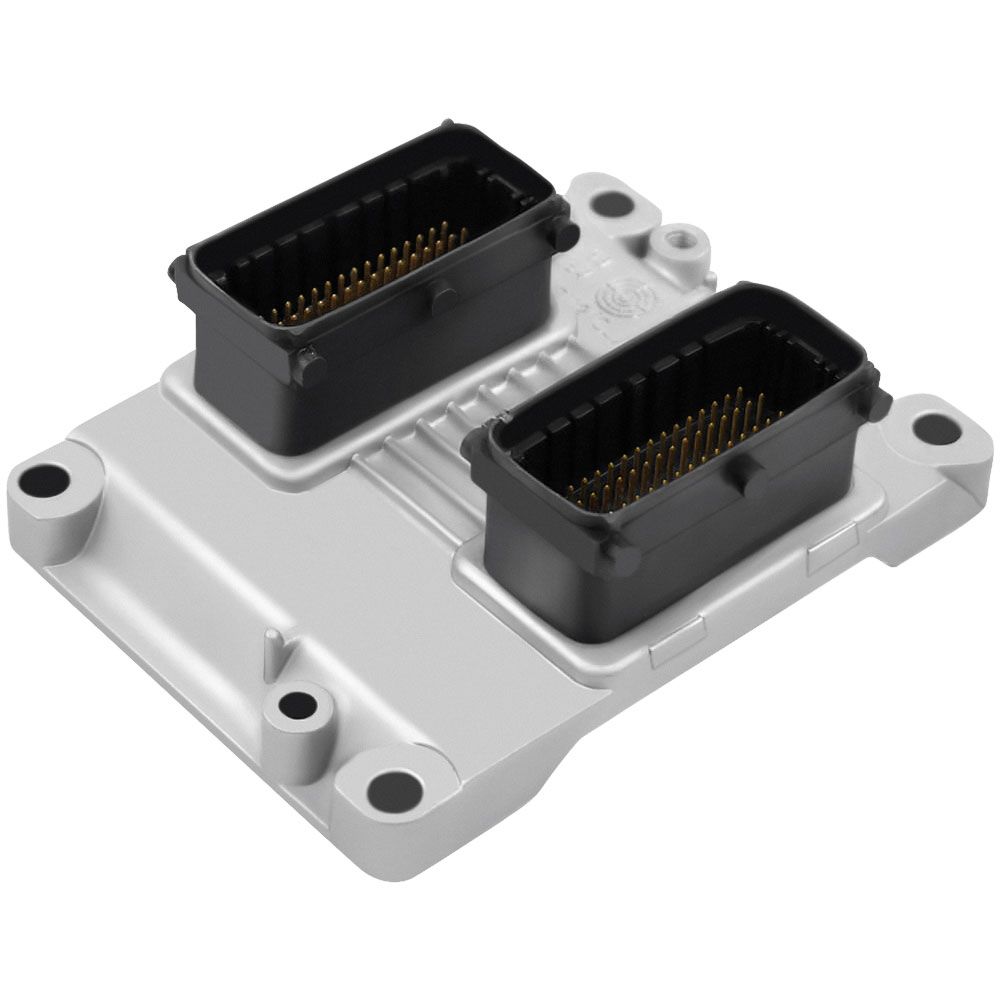
Flagship One stocks a refurbished, VIN-programmed PCM for the 1999 Cadillac Catera with a lifetime warranty, free shipping and no core charge. The full Cadillac Catera module lineup covers other engine configurations as well.
The PCM/ECM in your 1999 Cadillac Catera plays a critical role in engine performance and drivability. If you’re facing stalling, no-start conditions, or diagnostic trouble codes, addressing the module promptly can restore reliable operation. Whether you opt for reprogramming or replacement, following factory procedures ensures the best outcome for your vehicle.