
Last updated on August 25th, 2026 at 02:19 pm
The Powertrain Control Module (PCM) and Engine Control Module (ECM) in the 1998 Cadillac Catera manage fuel delivery, ignition timing, and emissions systems. Failure may cause erratic engine behavior, poor performance, or complete stalling.
If your 1998 Cadillac Catera has been running poorly—stalling, misfiring, or refusing to start—it may be time to consider the health of its engine computer. Known as the Powertrain Control Module (PCM) or Engine Control Module (ECM), this component acts as the brain of your vehicle’s engine management system. Over time, these modules can degrade due to heat, voltage spikes, or internal faults, leading to frustrating drivability issues. Replacing the PCM or ECM isn’t just about swapping a part; it involves careful handling, proper programming, and adherence to factory procedures to ensure your Catera runs reliably again. Understanding the role of these modules, the symptoms of failure, and the steps involved in replacement will help you make informed decisions and avoid unnecessary repairs. Whether you’re diagnosing a persistent check engine light or preparing for a replacement, this guide covers what you need to know about the PCM and ECM in your 1998 Cadillac Catera.
In the 1998 Cadillac Catera, the Powertrain Control Module (PCM) and Engine Control Module (ECM) work together to regulate engine performance, fuel efficiency, and emissions. The PCM oversees both engine and transmission functions, while the ECM focuses specifically on engine operation, including fuel injection timing, ignition spark delivery, and idle speed control. These modules constantly monitor sensor inputs—such as throttle position, oxygen levels, and engine temperature—to adjust outputs in real time. A failure in either module can disrupt these processes, leading to poor acceleration, rough idling, or even a no-start condition. Because the Catera relies on precise fuel and ignition management, a faulty PCM or ECM often triggers drivability issues that worsen over time. When replacement becomes necessary, choosing replacement engine computers for the Cadillac Catera ensures compatibility with your vehicle’s specific calibration and security protocols. Proper installation and programming are critical to restoring smooth operation and avoiding repeat failures.
1998 Cadillac Catera
OEM programmed ECM for your 1998 Cadillac Catera — plug & play, no dealer visit.
Free shipping · Lifetime warranty
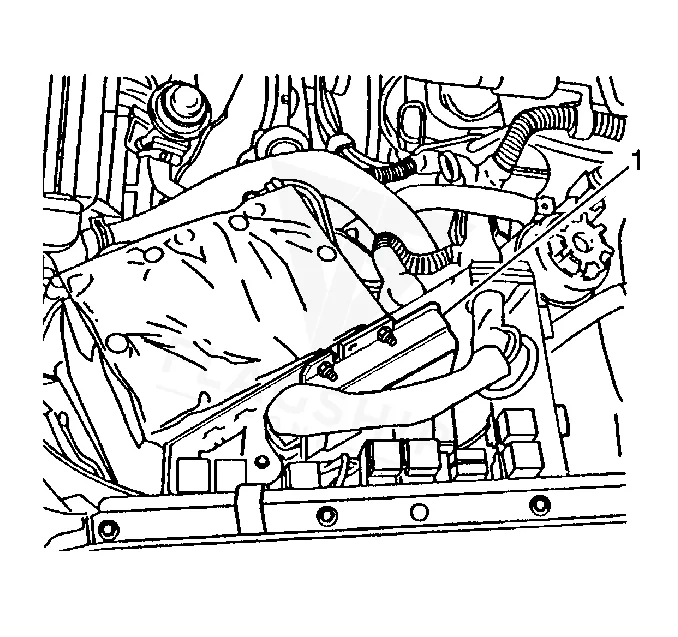
The PCM or ECM in the 1998 Cadillac Catera is typically mounted in the engine bay, though its exact location may require removing a few components for access. Replacing the module involves disconnecting the battery, unplugging the electrical connectors, and removing the mounting bolts. According to factory labor guides, the Powertrain Control Module (PCM) replacement is estimated at 0.5 hours, while the Engine Control Module (ECM) may take 0.6 hours. After installation, the module must be reconnected, and the battery should be reattached to restore power. Torque specifications for mounting bolts are not provided, but care should be taken to avoid overtightening, which could damage the module or its mounting surface. Once installed, the vehicle will require a relearn procedure to synchronize the new module with the engine and transmission systems, a step that typically adds another 0.5 hours of labor.
| Operation | Configuration | Book Time |
|---|---|---|
| Powertrain Control Module R&R | All configurations | 0.5 hr |
| Powertrain Control Module Relearn | All configurations | 0.5 hr |
| Engine Control Module R&R | All configurations | 0.6 hr |
| Engine Control Module Relearn | All configurations | 0.5 hr |
After installing a new PCM or ECM in your 1998 Cadillac Catera, the factory procedure requires reprogramming the module with the vehicle’s Theft Deterrent Module frequency code to ensure proper operation. This step is critical because the security system must recognize the new module to prevent a no-start condition. Additionally, the module must be calibrated to match the vehicle’s VIN and engine specifications. However, if you opt for a VIN-programmed replacement unit, these steps are already completed, saving time and reducing the risk of programming errors. Without proper programming, the vehicle may fail to start or run poorly, so it’s essential to follow the manufacturer’s guidelines or choose a pre-programmed solution to avoid complications.
A failing PCM or ECM in the 1998 Cadillac Catera may cause a range of symptoms, from subtle performance issues to complete engine failure. Common signs include intermittent stalling, rough idling, or hesitation during acceleration, often due to incorrect fuel or ignition timing. Some drivers report a no-start condition, where the engine cranks but refuses to fire, which may indicate a communication breakdown between the module and the fuel or ignition systems. Misfire codes, such as an internal control module memory checksum error, are frequently logged in the vehicle’s diagnostic system, signaling potential corruption within the module’s memory. Other symptoms include poor fuel economy, erratic shifting in automatic transmissions, or even a complete loss of communication with a scan tool. If your Catera exhibits any of these issues, it’s worth checking for module-related trouble codes before assuming other components are at fault.
The 1998 Cadillac Catera’s PCM or ECM may log specific internal trouble codes when the module begins to fail. These codes help diagnose whether the issue lies within the module itself or another component in the engine management system.
| Code | Meaning | Full Guide |
|---|---|---|
| P0601 | Internal memory checksum error | Full P0601 guide → |
| P0602 | Control module programming error | Full P0602 guide → |
| P0604 | Internal RAM error | Full P0604 guide → |
| P1601 | Module-internal fault | — |
| P1602 | Module-internal fault | — |
Factory service bulletin #99-06-04-053 addresses PCM reprogramming for the 1998 Cadillac Catera. This bulletin provides updated calibration procedures to resolve drivability issues, such as rough idling or poor acceleration, that may arise from outdated software. While the bulletin does not specify a recall, it serves as a reference for technicians performing module updates or replacements. If your vehicle exhibits persistent symptoms, checking for updated programming may be a worthwhile step before replacing the module.
| Bulletin | Subject | What It Addresses |
|---|---|---|
| 99-06-04-053 | Info – PCM Reprogramming – (Oct 26, 1999) | — |
Common signs include stalling, rough idling, or a no-start condition. The vehicle may also log internal module trouble codes, such as P0601 or P1602, which indicate potential memory or communication faults. If these symptoms persist after checking other components, the PCM may be the culprit.
Replacement is possible if you’re comfortable working with electrical components, but proper handling is critical to avoid electrostatic discharge damage. The module must also be programmed with the vehicle’s security code, which typically requires specialized equipment. Many owners opt for professional installation to ensure reliability.
Without reprogramming, the vehicle’s security system may not recognize the new module, leading to a no-start condition. The engine may also run poorly due to incorrect calibration, resulting in poor performance or increased emissions. Factory procedures require reprogramming to avoid these issues.
Stalling after replacement often indicates a failed relearn procedure or incorrect programming. The PCM must synchronize with the engine and transmission systems, and the security code must be properly transferred. If the module isn’t programmed correctly, the vehicle may stall or refuse to start.
No recalls are documented for the PCM in this vehicle, but factory service bulletin #99-06-04-053 provides updated reprogramming procedures to address drivability issues. Checking for updated software may resolve persistent symptoms without requiring a full replacement.
If your 1998 Cadillac Catera is experiencing persistent drivability issues, replacing the PCM or ECM may be the solution. While a repair is sometimes possible, a refurbished or new replacement unit ensures long-term reliability. Given the complexity of programming and installation, many owners opt for a pre-programmed module to avoid complications. Whether you choose to tackle the job yourself or seek professional help, understanding the process will help you make the best decision for your vehicle’s needs.
Flagship One stocks a refurbished, VIN-programmed PCM for the 1998 Cadillac Catera with a lifetime warranty, free shipping and no core charge. The full Cadillac Catera module lineup covers other engine configurations as well.
The PCM and ECM play a critical role in keeping your 1998 Cadillac Catera running smoothly. When these modules fail, symptoms like stalling, misfires, or a no-start condition can leave you stranded. Replacing the module involves careful handling, proper programming, and adherence to factory procedures to ensure success. By choosing a pre-programmed unit and following best practices for installation, you can restore your Catera’s performance and avoid future issues. If you’re unsure about the process, consulting a professional can provide peace of mind and help get your vehicle back on the road.