
Last updated on August 25th, 2026 at 01:12 pm
The Engine Control Module (ECM) in your 1998 Infiniti I30 manages fuel injection, ignition timing, and emissions systems. Failure may lead to poor engine performance, misfires, or a no-start condition.
If your 1998 Infiniti I30 is experiencing rough idling, stalling, or an illuminated check engine light, the Engine Control Module (ECM) may be the culprit. This small but critical component oversees fuel delivery, ignition timing, and emissions controls, ensuring your engine runs smoothly. When the ECM fails, it can disrupt these systems, leading to noticeable drivability issues. Replacing the ECM involves more than just swapping parts—it requires careful installation and often a relearn procedure to sync the new module with your vehicle’s systems. Understanding the role of the ECM, how to identify failure symptoms, and what replacement entails can help you make informed decisions about repairs. Whether you’re dealing with a no-start condition or intermittent misfires, knowing the steps involved can save time and prevent unnecessary frustration.
The Engine Control Module (ECM) in your 1998 Infiniti I30 serves as the brain of the engine management system. It continuously monitors inputs from sensors throughout the vehicle, adjusting fuel injection, ignition timing, and idle speed to optimize performance and emissions. Without a functioning ECM, your engine may struggle to start, run inefficiently, or even stall unexpectedly. This module is particularly important in vehicles of this era, as it also manages the onboard diagnostics system, storing trouble codes when issues arise. If the ECM fails, you may notice symptoms like poor acceleration, rough idling, or a check engine light with stored codes. Replacing the ECM isn’t just about installing a new part—it’s about ensuring compatibility and proper calibration. For the 1998 Infiniti I30, replacement engine computers for the I30 are designed to meet factory specifications, but they must be programmed to match your vehicle’s VIN to function correctly. The ECM’s role in maintaining engine efficiency and emissions compliance makes it a critical component for reliable operation.
1998 Infiniti I30
OEM programmed replacements — plug & play, no dealer visit.
Find yours by year, make & model →
Free shipping · Lifetime warranty
In the 1998 Infiniti I30, the Engine Control Module (ECM) is located inside the vehicle, typically mounted beneath the dashboard on the passenger side. Accessing it requires removing the lower dashboard panel, which may involve disconnecting a few electrical connectors and fasteners. Once exposed, the ECM is secured with a mounting bracket and connected via a multi-pin harness. Replacement involves unplugging the harness, removing the old module, and installing the new one in its place. According to factory labor estimates, the removal and reinstallation process (R&R) typically takes 0.7 hours. After installation, the module must be properly secured to avoid vibration or moisture exposure, which could lead to future issues. While the physical replacement is straightforward, ensuring the new ECM is correctly programmed is essential for proper operation.
| Operation | Configuration | Book Time |
|---|---|---|
| Engine Control Module Relearn | All configurations | 0.5 hr |
| Engine Control Module R&R | All configurations | 0.7 hr |
| Powertrain Control Module Relearn | All configurations | 0.5 hr |
| Powertrain Control Module R&R | All configurations | 0.7 hr |
After replacing the Engine Control Module (ECM) in your 1998 Infiniti I30, a factory relearn procedure is often required to synchronize the new module with the vehicle’s systems. This process, which typically takes 0.5 hours, ensures the ECM recognizes the engine’s sensors and operating parameters. Without this step, the vehicle may experience drivability issues, such as poor idle quality or incorrect fuel mixture. However, a VIN-programmed replacement unit from Flagship One arrives pre-configured to match your vehicle’s specific calibration, eliminating the need for additional programming. This not only saves time but also reduces the risk of errors during the installation process. While some aftermarket modules may require manual programming, a pre-programmed unit ensures a seamless transition, allowing your 1998 Infiniti I30 to operate as intended immediately after installation.
When the Engine Control Module (ECM) in your 1998 Infiniti I30 begins to fail, you may notice a range of symptoms that affect engine performance and drivability. One of the most common signs is an illuminated check engine light, often accompanied by stored trouble codes. For example, a random misfire detected code may indicate the ECM is struggling to manage ignition timing or fuel delivery across multiple cylinders. Other symptoms include rough idling, hesitation during acceleration, or stalling, particularly when the engine is warm. In some cases, the vehicle may fail to start altogether, as the ECM controls critical functions like fuel injection and spark timing. Poor fuel economy or increased emissions can also signal ECM issues, as the module plays a key role in optimizing combustion. If you experience any of these symptoms, it’s important to diagnose the problem promptly, as prolonged ECM failure can lead to further engine complications or damage to related components.
For the 1998 Infiniti I30, two factory service bulletins address specific ECM-related issues. Bulletin ITB97018 describes a condition where the check engine light illuminates, and a P0300 (multi-cylinder misfire) code is stored due to an ECM malfunction. This bulletin suggests inspecting the ECM and replacing it if necessary to resolve the misfire. Another bulletin, ITB98024, covers instances where the check engine light comes on with a P0137 code, indicating a rear oxygen sensor voltage issue. The bulletin notes that the ECM may incorrectly interpret sensor data, leading to the fault. Both bulletins highlight the importance of diagnosing ECM-related codes carefully to avoid unnecessary part replacements.
| Bulletin | Subject | What It Addresses |
|---|---|---|
| — | EC – ENGINE CONTROL SYSTEM: 1997 I30 MIL ‘ON’; P0300 (MULTI-CYLINDER MISFIRE) STORED DUE TO THE | — |
| — | EC – ENGINE CONTROL SYSTEM: 1998 I30, MIL ‘ON’ WITH REAR OXYGEN SENSOR DTC P0137 (MINIMUM VOLTA | — |
Stalling after an ECM replacement may occur if the new module isn’t properly programmed or if a relearn procedure wasn’t completed. The ECM needs to synchronize with the vehicle’s sensors to manage fuel and ignition correctly. If the issue persists, verify the installation and consider using a pre-programmed unit to avoid compatibility problems.
Yes, a failing ECM can prevent your vehicle from starting. The module controls critical functions like fuel injection and spark timing, so if it malfunctions, the engine may crank but not fire. Check for stored trouble codes and inspect the ECM if no other issues are found.
Common signs of ECM failure include an illuminated check engine light, rough idling, stalling, or poor acceleration. Stored trouble codes, such as P0300 or P0137, may also indicate ECM-related issues. If these symptoms appear, a diagnostic scan can help confirm the problem.
Yes, a relearn procedure is typically required after replacing the ECM to ensure it communicates correctly with the vehicle’s systems. This process takes about 0.5 hours and helps prevent drivability issues. Using a pre-programmed replacement unit can eliminate this step.
The P0300 code indicates a random misfire, which can be caused by several factors, including a failing ECM. The module manages ignition timing and fuel delivery, so if it malfunctions, misfires may occur. Inspect the ECM and related components if this code appears.
If your 1998 Infiniti I30 is showing signs of ECM failure, you have options for repair or replacement. While some may attempt to refurbish the existing module, a new or remanufactured ECM can provide a more reliable solution. For this vehicle, a replacement unit must be programmed to match your VIN to ensure proper function. Considering the labor involved in installation and programming, choosing a pre-configured module can simplify the process and reduce downtime.
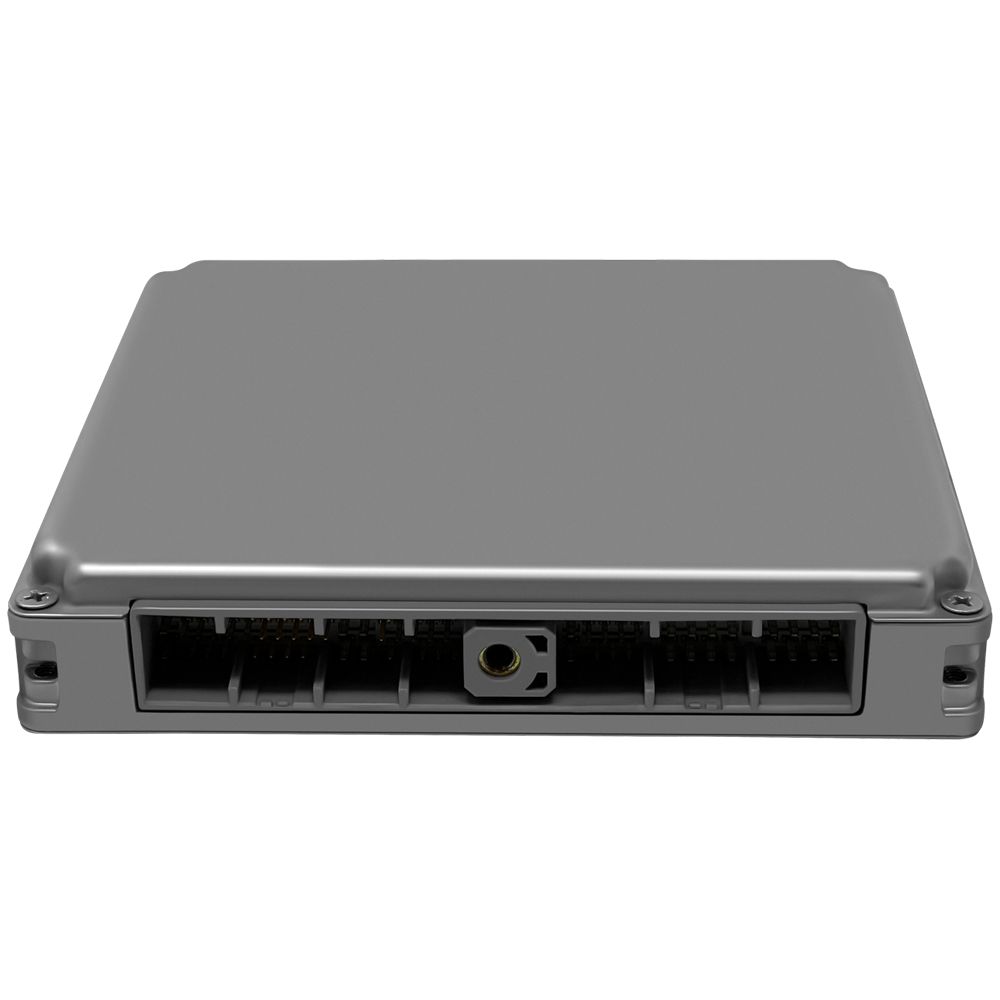
Flagship One stocks a refurbished, VIN-programmed PCM for the 1998 Infiniti I30 with a lifetime warranty, free shipping and no core charge. The full Infiniti I30 module lineup covers other engine configurations as well.
The Engine Control Module in your 1998 Infiniti I30 plays a vital role in maintaining engine performance and drivability. If you’re experiencing symptoms like misfires, stalling, or a check engine light, the ECM may be the cause. Replacing it involves careful installation and often a relearn procedure, but using a pre-programmed unit can streamline the process. Addressing ECM issues promptly can help restore your vehicle’s reliability and prevent further complications down the road.