
Last updated on August 25th, 2026 at 12:21 pm
The Engine Control Module (ECM) in your 1997 Infiniti I30 manages fuel injection, ignition timing, and emissions systems. Failure may cause misfires, poor performance, or a no-start condition, often triggered by voltage spikes or corrosion.
If your 1997 Infiniti I30 is experiencing unexplained stalling, misfires, or a persistent check engine light, the Engine Control Module (ECM) may be the culprit. This small but critical computer manages everything from fuel delivery to ignition timing, ensuring smooth operation. When it fails, symptoms can range from subtle performance issues to a complete no-start condition. Replacing the ECM isn’t just about swapping a part—it involves precise installation and often a relearn procedure to sync the module with your vehicle’s systems. Understanding the role of the ECM, how to identify failure, and what replacement entails can save you time and frustration. This guide covers the specifics of the 1997 Infiniti I30’s ECM, including common symptoms, labor requirements, and why choosing the right replacement unit matters for long-term reliability.
The Engine Control Module (ECM) in your 1997 Infiniti I30 acts as the brain of the engine, continuously monitoring sensors and adjusting fuel injection, ignition timing, and idle speed to optimize performance and emissions. Without a properly functioning ECM, your vehicle may struggle to start, run inefficiently, or even enter a fail-safe mode that limits power. The module also stores trouble codes when issues arise, helping diagnose problems like misfires or sensor failures. Over time, exposure to heat, moisture, or voltage fluctuations can degrade the ECM’s internal components, leading to intermittent or permanent failures. When replacement becomes necessary, you’ll need replacement engine computers for the I30 that match the original specifications to ensure seamless operation. The ECM’s role is especially critical in vehicles like the I30, where precise fuel and ignition control directly impact drivability and fuel economy.
1997 Infiniti I30
OEM programmed replacements — plug & play, no dealer visit.
Find yours by year, make & model →
Free shipping · Lifetime warranty
In the 1997 Infiniti I30, the ECM is located in the engine bay, typically mounted near the firewall or inner fender for protection from heat and moisture. Replacing the module involves disconnecting the battery to prevent electrical shorts, then removing the wiring harness connector and any mounting bolts securing the ECM in place. The process is straightforward but requires care to avoid damaging the connector or surrounding components. Labor time for removal and reinstallation is typically 0.7 hours, according to factory estimates. Once the new ECM is installed, the vehicle may require a relearn procedure, which adds another 0.5 hours of labor. This step ensures the module synchronizes with the engine’s sensors and systems, restoring proper operation.
| Operation | Configuration | Book Time |
|---|---|---|
| Engine Control Module Relearn | All configurations | 0.5 hr |
| Engine Control Module R&R | All configurations | 0.7 hr |
| Powertrain Control Module Relearn | All configurations | 0.5 hr |
| Powertrain Control Module R&R | All configurations | 0.7 hr |
After installing a new ECM in your 1997 Infiniti I30, the factory procedure requires a relearn process to calibrate the module to the vehicle’s specific systems. This typically involves using a scan tool to reset adaptive values and may include driving the vehicle under specific conditions to allow the ECM to relearn fuel trims and ignition timing. However, when you opt for a VIN-programmed replacement unit from Flagship One, these steps are already completed before the unit arrives. This eliminates the need for dealer reprogramming, saving you time and ensuring the ECM is ready to function as soon as it’s installed. The relearn procedure, while not always mandatory, is recommended to optimize performance and prevent potential drivability issues.
A failing ECM in your 1997 Infiniti I30 may produce a range of symptoms, often starting with an illuminated check engine light. One of the most common issues is misfiring, which can trigger a random cylinder misfire code or specific cylinder misfire codes like P0301 through P0306. You might also experience rough idling, hesitation during acceleration, or stalling, particularly when the engine is warm. In some cases, the vehicle may fail to start altogether, or the engine may crank but not fire. Communication problems with a scan tool can also indicate ECM failure, as the module may stop responding to diagnostic requests. Other potential signs include poor fuel economy, erratic shifting (if the ECM communicates with the transmission control module), or even unusual behavior from the vehicle’s security system. If you notice any of these symptoms, it’s worth checking for stored trouble codes, as they can help pinpoint whether the ECM is the root cause or if another component is to blame.
Nissan/Infiniti issued service bulletins addressing ECM-related issues in the 1997 I30. Bulletin ITB97018 notes that a stored P0300 (multi-cylinder misfire) code may indicate an internal ECM fault, requiring module replacement to resolve the issue. While this bulletin specifically mentions the 1997 model, similar concerns were addressed in later years. For example, ITB98024 covers the 1998 I30 and describes a check engine light triggered by a rear oxygen sensor code (P0137), which could also stem from ECM-related monitoring issues. These bulletins highlight the importance of diagnosing ECM faults thoroughly, as symptoms like misfires or sensor codes may not always point to a failed sensor or wiring issue.
| Bulletin | Subject | What It Addresses |
|---|---|---|
| — | EC – ENGINE CONTROL SYSTEM: 1997 I30 MIL ‘ON’; P0300 (MULTI-CYLINDER MISFIRE) STORED DUE TO THE | — |
| — | EC – ENGINE CONTROL SYSTEM: 1998 I30, MIL ‘ON’ WITH REAR OXYGEN SENSOR DTC P0137 (MINIMUM VOLTA | — |
Common signs include a check engine light, misfires (often with a P0300 code), stalling, or a no-start condition. If the ECM isn’t communicating with a scan tool, that’s another strong indicator. Testing other components, like sensors or wiring, can help rule out other causes before replacing the ECM.
Driving with a failing ECM may lead to poor performance, stalling, or even a complete breakdown. In some cases, the vehicle may enter a fail-safe mode that limits power. If you suspect ECM issues, it’s best to address them promptly to avoid further damage or unsafe driving conditions.
The relearn procedure allows the new ECM to synchronize with the vehicle’s sensors and adaptive fuel/ignition values. Without it, the engine may run poorly or trigger new trouble codes. The process typically takes 0.5 hours and ensures the ECM operates correctly with your specific vehicle’s systems.
Common causes include voltage spikes from a failing alternator or battery, corrosion in connectors, exposure to moisture or heat, and age-related wear. Jump-starting with incorrect voltage can also damage the ECM’s internal circuits. Regular maintenance can help prevent these issues.
Replacing the ECM is a straightforward process if you’re comfortable working with electrical components. However, you’ll need to ensure the new unit is properly programmed to your vehicle’s VIN. If you’re unsure about the relearn procedure or programming, it’s best to consult a professional to avoid potential drivability issues.
If your 1997 Infiniti I30 is showing signs of ECM failure, you have options for replacement. A new OEM unit may be costly and require dealer programming, while a refurbished or aftermarket ECM can offer a more affordable solution. Choosing a VIN-programmed replacement unit eliminates the need for post-installation programming, saving you time and ensuring the module is ready to go. Whether you opt for a DIY replacement or professional installation, selecting the right ECM is key to restoring your vehicle’s performance and reliability.
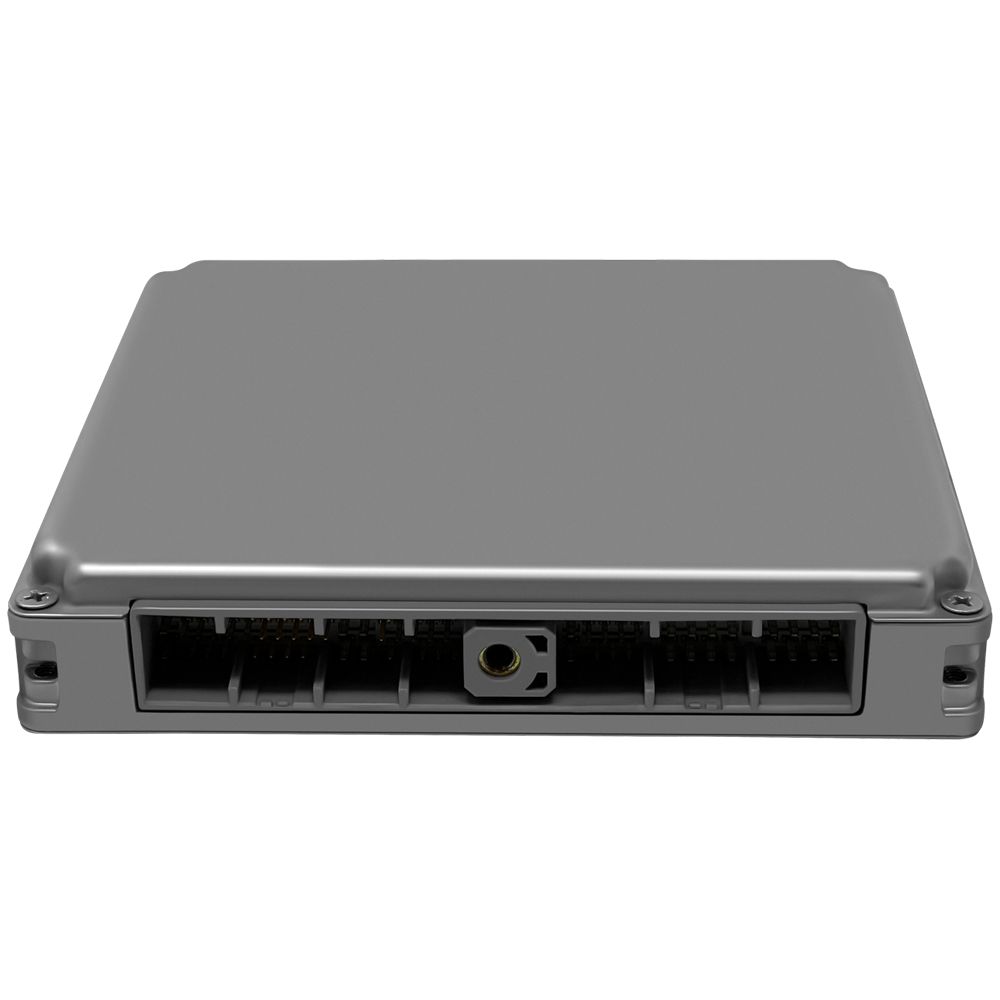
Flagship One stocks a refurbished, VIN-programmed PCM for the 1997 Infiniti I30 with a lifetime warranty, free shipping and no core charge. The full Infiniti I30 module lineup covers other engine configurations as well.
The ECM in your 1997 Infiniti I30 plays a critical role in engine performance, and addressing issues promptly can prevent further complications. Whether you’re dealing with misfires, stalling, or a no-start condition, understanding the symptoms and replacement process helps you make informed decisions. If you suspect ECM failure, consider a VIN-programmed replacement unit to simplify the process and get your I30 back on the road with confidence.