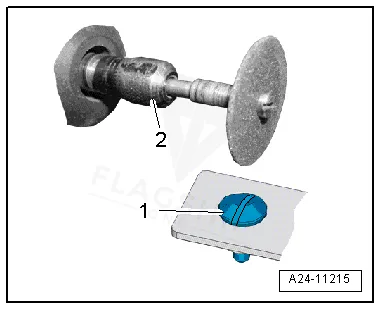
2019 Volkswagen Golf R Engine Control Module Replacement Guide
Experiencing module faults in your 2019 Volkswagen Golf R? Learn about ECM replacement, relearn procedures, and data bus cautions to restore performance.

Windows, power locks, manual locks, doors, trunk, tailgate, mirrors, power and manual seat controls, seat belts, sunroof, convertible top, glass defects.
N/A
No major problem has been reported
Brake pads, brake rotors, brake calipers, anti-lock braking system (ABS), brake lines, brake master cylinder, brake booster, parking brake, brake sensors, regenerative braking system (if applicable).
The 1997 Toyota 4Runner is generally known for its durability, but like any vehicle, it has its quirks. One issue that pops up with high-mileage models is the automatic transmission not shifting correctly. While this can be a hassle, many owners find that regular maintenance and timely repairs can keep their 4Runner running smoothly for years.
The 1997 Toyota 4Runner is generally known for its reliability, but like any vehicle, it can have its quirks. One common issue reported is the car not starting due to worn or corroded solenoid contacts in the starter. While this problem can be a hassle, its typically fixable and doesnt overshadow the overall dependability of the 4Runner.
The 1997 Toyota 4Runner is generally known for its reliability, but one issue to keep an eye on is the front brake rotor wear, which can lead to pulsations when braking. This problem isn’t uncommon in older vehicles and can usually be addressed with regular maintenance and timely rotor replacements. Overall, while it’s something to be aware of, it doesn’t overshadow the 4Runner’s reputation for durability.
The 1997 Toyota 4Runner is generally known for its reliability, but like any vehicle, it has its quirks. One issue to keep an eye on is the brake master cylinder, which might need replacing around the 125,000-mile mark. While this isn’t uncommon for a vehicle of its age, it’s something to consider if you’re looking at a high-mileage 4Runner.
The 1997 Toyota 4Runner is generally known for its durability and reliability, but like any older vehicle, it can have its quirks. One common issue reported is a failed emissions test due to a blocked EGR system, which can be a bit of a hassle to fix. However, with regular maintenance and a little attention to the EGR system, this SUV can still be a dependable ride.
The 1997 Toyota 4Runner is generally known for its reliability, but like any older vehicle, it can have its quirks. One common issue reported is the vehicle not cranking due to starter problems, which can be a bit of a hassle. However, with regular maintenance and timely repairs, many owners find that their 4Runner continues to be a dependable ride.
The 1997 Toyota 4Runner is generally known for its reliability, but like any vehicle, it has its quirks. One common issue is the throttle position sensor getting out of adjustment due to wear or carbon build-up. While this can affect performance, it’s usually a fixable problem and doesn’t overshadow the overall dependability of the 4Runner.
The 1997 Toyota 4Runner is generally known for its reliability, but one issue to watch out for is worn shift bushings in the manual transmission. This problem can cause the transmission to pop out of gear, which can be pretty annoying and potentially hazardous if not addressed. Overall, while the 4Runner is a solid vehicle, keeping an eye on the condition of the shift bushings can help maintain its dependable performance.
The 1997 Toyota 4Runner is generally known for its durability, but one issue to keep an eye on is the automatic transmission potentially overheating. This problem can lead to performance issues and might require attention to prevent long-term damage. Regular maintenance and monitoring can help mitigate this concern and keep your 4Runner running smoothly.
Cruise control, keyless entry system, push-button start, wiper motor, warning lights, power mirrors, interior lighting, exterior lighting, dashboard indicators, electronic parking brake, tire pressure monitoring system (TPMS), alarm and security system, remote engine start, heated and ventilated seats, heated steering wheel, wireless charging pad.
The 1997 Toyota 4Runner is generally known for its reliability, but like any older vehicle, it can have its quirks. One issue that pops up at higher mileages is the engine coolant temperature sensor potentially failing. While this isn’t a deal-breaker, it’s something to keep an eye on as your 4Runner racks up the miles.
Dashboard rattles, squeaks, wind noise, door seals, weather stripping, water leaks, air leaks, excessive road noise, suspension noise, drivetrain noise, exhaust rattles, engine bay noises.
The 1997 Toyota 4Runner is generally known for its durability, but some owners have reported issues with a loss of power on the highway due to an internally leaking fuel pulsation dampener. This problem can affect the vehicle’s performance and reliability, especially during long drives. While not all 4Runners experience this issue, it’s something to keep in mind if you’re considering this model.
No major problem has been reported
The 1997 Toyota 4Runner is generally known for its durability and reliability, but like any vehicle, it has its quirks. One common issue that pops up is the air flow sensor failing at higher mileages, which can affect engine performance. While this isn’t a deal-breaker, it’s something to keep an eye on as your 4Runner racks up the miles.
The 1997 Toyota 4Runner is generally known for its durability, but one common issue that pops up is the failed timing chain guides, which can cause a rattling noise. While this problem can be a bit annoying, it’s not a deal-breaker for most owners who appreciate the 4Runner’s overall reliability and rugged performance. Just keep an ear out for any unusual sounds and address them promptly to keep your ride running smoothly.
The world's top supplier of programmed OEM (Original Equipment Manufacturer) Powertrain Control Modules (PCM), Engine Control Modules (ECM), Injection Control Modules (IDM), Body Control Modules (BCM), Transmission Control Modules (TCM), Engine Control Units and all other car control units. With over a decade in the business, we are the most reliable source when it comes to programming services for replacement engine control modules.

Experiencing module faults in your 2019 Volkswagen Golf R? Learn about ECM replacement, relearn procedures, and data bus cautions to restore performance.
Is your 2017 Volkswagen Golf Alltrack stalling? Learn about ECM failure signs, labor times, and how a pre-programmed module simplifies repairs for your vehicle.
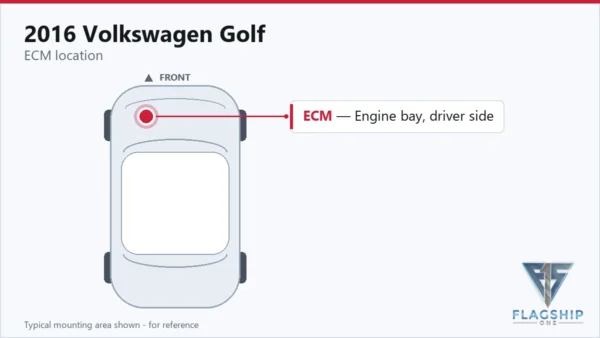
PCM failure in your 2016 Volkswagen Golf may cause no-start conditions or erratic shifting. Proper diagnosis prevents unnecessary repairs and restores reliable performance.
When your 2016 Volkswagen Beetle exhibits control module faults, understanding repair options helps. Learn about symptoms, labor times, and programming requirements for informed decisions.
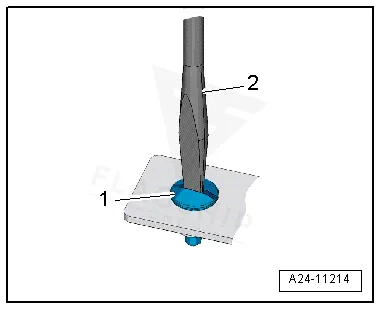
2015 Volkswagen Golf SportWagen powertrain module failure may trigger warning lights and no-start conditions. Professional replacement and proper programming typically restore full driveability.
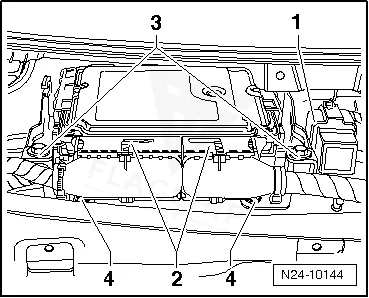
2010 Volkswagen Golf GTI engine control module failures may cause misfire codes, stalling, or no-start. Learn replacement, programming, and labor times.
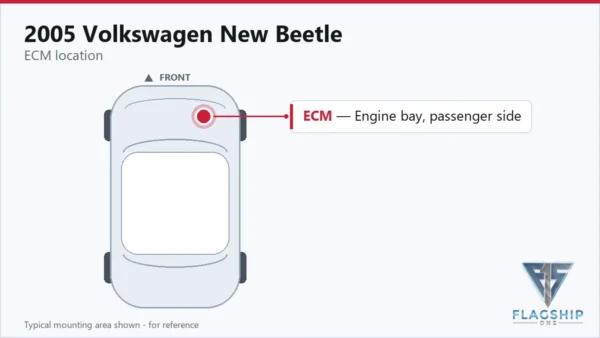
Experiencing stalling or no-start issues in your 2005 Volkswagen New Beetle? Learn how a faulty engine computer affects performance and how to resolve it.
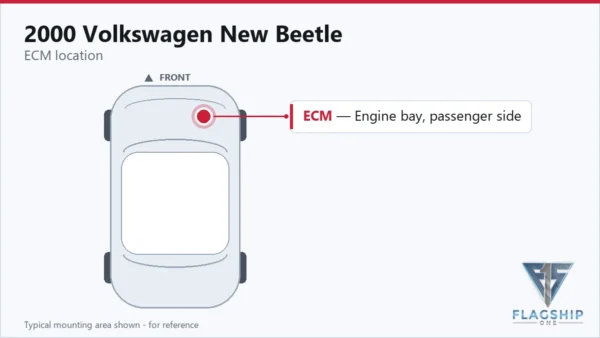
Your 2000 Volkswagen New Beetle may experience no-start or stalling issues. Avoid improper installation to restore engine performance and reliability.
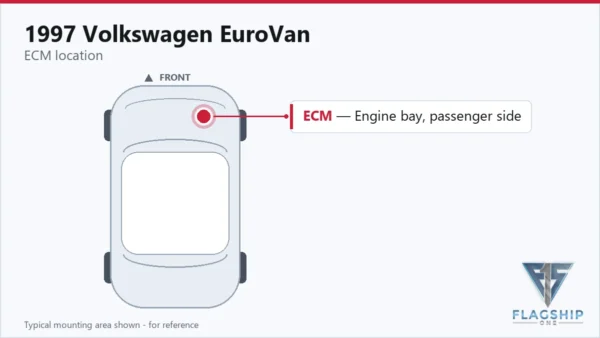
Learn about ECM failure symptoms, replacement procedures, and programming for your 1997 Volkswagen EuroVan. Expert guidance on diagnosing and resolving engine control module issues.
Stalling or no-start in your 1983 Volkswagen Quantum may indicate ECM failure; professional diagnosis prevents unnecessary replacement and restores reliable operation.
Stalling or no-start conditions in your 1982 Volkswagen Jetta may indicate a failing engine computer. Learn symptoms, replacement steps, and programming details to restore performance.
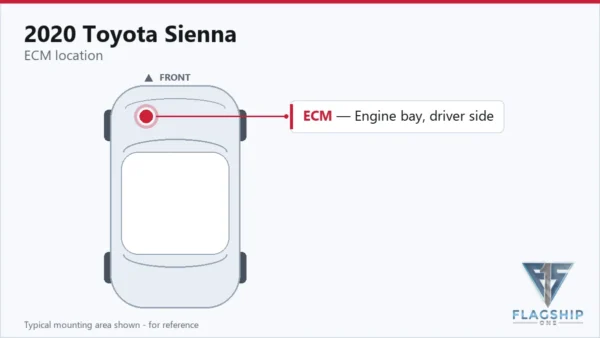
2020 Toyota Sienna with stalling, no-start, or P0606 code may need ECM replacement. Learn factory steps, labor times, and how to avoid control module damage in your minivan.