U3576 Code Diagnosis, Symptoms, Causes & Repair Complete Guide
Pressure loss on your vehicle? U3576 flags a Stack Differential Pressure Sensor circuit fault—possible HVAC failure. Scan, inspect wiring, replace sensor.
Windows, power locks, manual locks, doors, trunk, tailgate, mirrors, power and manual seat controls, seat belts, sunroof, convertible top, glass defects.
N/A
No major problem has been reported
Brake pads, brake rotors, brake calipers, anti-lock braking system (ABS), brake lines, brake master cylinder, brake booster, parking brake, brake sensors, regenerative braking system (if applicable).
The 1997 Mercedes Benz S500 has some reliability issues, particularly with the closing assist and door lock systems due to problems with the pneumatic system. These issues can be a bit of a hassle, as they might cause the doors not to lock or close properly, which can be inconvenient and potentially costly to fix. Overall, while the car is known for its luxury and performance, these pneumatic system problems can be a notable downside for owners.
The 1997 Mercedes Benz S500 is known for its luxurious ride, but it can run into some engine performance issues due to crankshaft position sensor failure. This problem can lead to rough idling, stalling, or even difficulty starting the engine, which can be a hassle for owners. While its a common issue for this model year, regular maintenance and timely sensor replacement can help keep the S500 running smoothly.
The 1997 Mercedes Benz S500 has a known issue with the insulation on the engine wiring harness degrading over time, which can leave the conductors exposed. This problem can lead to electrical issues and potentially affect the overall reliability of the vehicle. If you’re considering this model, it’s something to keep in mind, especially if the wiring hasn’t been replaced or inspected recently.
The 1997 Mercedes Benz S500 is generally a reliable vehicle, but like any car, it has its quirks. One common issue is the need to replace brake rotors when the pads are worn and start squeaking, which is a typical maintenance task for a car of this age. Keeping up with this and other routine maintenance can help ensure the S500 continues to run smoothly.
The 1997 Mercedes Benz S500 is generally a reliable vehicle, but one key maintenance tip is to flush the brake fluid every two years. This regular maintenance helps prevent potential brake issues and ensures the braking system remains in top condition. Keeping up with this simple task can contribute significantly to the overall longevity and reliability of your S500.
The 1997 Mercedes Benz S500 is generally a solid vehicle, but like many older cars, it can develop leaks at the differential seals or cover, especially as it racks up the miles. This is a common issue in high-mileage or older vehicles, so it’s something to keep an eye on if you’re considering buying or maintaining one. Overall, while the S500 is known for its luxury and performance, addressing these leaks promptly can help maintain its reliability.
The 1997 Mercedes Benz S500 is known for its luxury and performance, but one issue to watch out for is the cracked driveshaft flex discs, which can lead to driveshaft movement or vibration. This problem can affect the overall driving experience and may require attention to maintain the car’s reliability. Despite this, many owners still appreciate the vehicle’s classic appeal and solid engineering.
The 1997 Mercedes Benz S500 is known for its luxury and performance, but it does have some reliability issues, particularly with the heater blower motor. A common problem is the bad switch or blower motor resistor assembly, which can cause the heater blower motor to become inoperative. While this issue can be frustrating, it’s a fixable problem that doesn’t overshadow the overall quality of the vehicle.
The 1997 Mercedes Benz S500 is known for its luxury and performance, but it does have some reliability issues, particularly with the mass air flow sensor. This faulty sensor can lead to erratic engine operation and poor fuel economy, which can be frustrating for owners. While the car offers a smooth ride, addressing this sensor issue is crucial for maintaining its overall performance.
Cruise control, keyless entry system, push-button start, wiper motor, warning lights, power mirrors, interior lighting, exterior lighting, dashboard indicators, electronic parking brake, tire pressure monitoring system (TPMS), alarm and security system, remote engine start, heated and ventilated seats, heated steering wheel, wireless charging pad.
The 1997 Mercedes Benz S500 is known for its luxurious ride, but one common issue that pops up is the window regulator failure. This problem can be a bit of a hassle, especially if you find yourself unable to roll your windows up or down. While it’s a notable issue, many owners still appreciate the car’s overall performance and comfort, though it’s something to keep in mind if you’re considering this model.
Dashboard rattles, squeaks, wind noise, door seals, weather stripping, water leaks, air leaks, excessive road noise, suspension noise, drivetrain noise, exhaust rattles, engine bay noises.
The 1997 Mercedes Benz S500 is known for its luxury and performance, but it does have some issues that can affect the ride quality. One common problem is with the dampening actuators, which can lead to a rough ride in the rear of the vehicle. While this issue can be a bit of a nuisance, addressing it with proper maintenance can help maintain the overall reliability of the car.
No major problem has been reported
The 1997 Mercedes Benz S500 is known for its luxury and performance, but one common issue is the coolant leak caused by a cracked or broken heater core outlet housing. This problem can lead to overheating if not addressed promptly, affecting the car’s overall reliability. Regular maintenance and timely repairs are key to keeping this classic ride running smoothly.
The 1997 Mercedes Benz S500 is generally known for its solid build and luxury features, but it does have some quirks. One notable issue is the wear in the climate control unit buttons, which can lead to the climate control system failing. While this doesn’t overshadow the car’s overall reliability, it’s something to keep an eye on if you’re considering this classic ride.
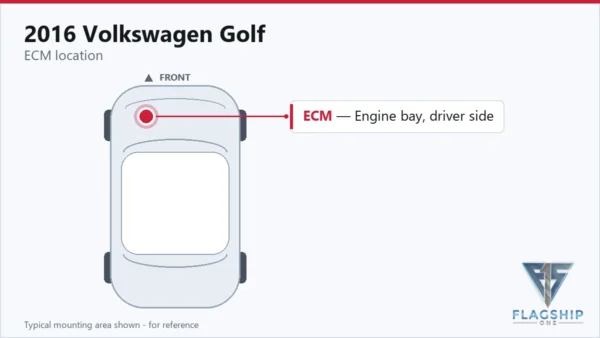
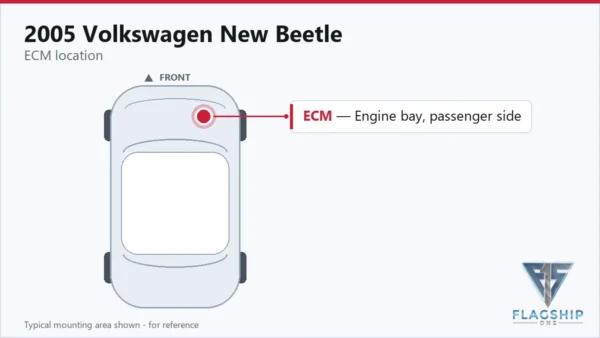
The world's top supplier of programmed OEM (Original Equipment Manufacturer) Powertrain Control Modules (PCM), Engine Control Modules (ECM), Injection Control Modules (IDM), Body Control Modules (BCM), Transmission Control Modules (TCM), Engine Control Units and all other car control units. With over a decade in the business, we are the most reliable source when it comes to programming services for replacement engine control modules.
Pressure loss on your vehicle? U3576 flags a Stack Differential Pressure Sensor circuit fault—possible HVAC failure. Scan, inspect wiring, replace sensor.
Coolant mixing valve sensor fault lights up on your vehicle—risking overheating. Scan U3575, test the sensor, and promptly reprogram or replace it.
Coolant temperature spikes or no heat in your vehicle? U3574 signals a faulty Coolant Mixing Valve—run a module scan and arrange reprogramming or replace.
Engine overheating or coolant warning on your vehicle? A faulty coolant mixing valve control circuit can cause temp loss—scan, reprogram or replace now.
Temp gauge spikes and overheating on your vehicle? U3572 means Stack Outlet Coolant Temp Sensor 2 circuit fault—scan or replace to prevent engine damage.
Temp gauge spikes and overheating in your vehicle? Faulty Stack Outlet Coolant Temp Sensor 1 can overheat engine—scan circuit and schedule module repair.
Coolant temperature warning on your vehicle? A Stack Inlet Coolant Temperature Sensor Circuit can cause overheating—scan, test and replace/reprogram.
Warning light or loss of power from your vehicle’s Anode Multifunction Valve? It threatens system reliability—scan the code and replace the valve promptly.
Your vehicle flashes U3568—Anode Multifunction Valve control circuit fault, risking loss of function. Scan, test the circuit, then reprogram or replace.
Power loss or boost warning in your vehicle? A faulty Anode Inlet Pressure Sensor 2 circuit can trigger limp mode—scan, test wiring and replace sensor.
Fuel pressure warning on your vehicle? A faulty Anode Inlet Pressure Sensor 1 circuit can cause erratic fuel delivery—scan the code, test the sensor, an…
Hydrogen pressure warning on your vehicle? Faulty Hydrogen Supply Line A Pressure Sensor 2 circuit can cut fuel‑cell output—scan and replace the sensor.