
Last updated on August 25th, 2026 at 02:01 pm
The powertrain control module (PCM) in your 1995 Mazda B4000 manages fuel delivery, ignition timing, and emissions systems. Failures may cause erratic engine behavior, stalling, or a complete no-start condition without warning.
If your 1995 Mazda B4000 has developed unexplained stalling, a refusal to start, or erratic engine behavior, the powertrain control module (PCM) may be the culprit. Unlike modern vehicles with self-diagnostic codes, this pre-OBD-II model relies on a simpler control unit that doesn’t always flag its own failures. The PCM in your B4000 oversees critical functions like fuel injection timing, ignition spark, and emissions controls. When it malfunctions, symptoms can range from subtle drivability issues to a complete inability to start. Replacing it involves accessing the module behind the dashboard, which requires some interior disassembly. Since this vehicle lacks standardized trouble codes, diagnosing a faulty PCM often comes down to ruling out other components first. A direct replacement with a VIN-programmed unit can restore proper operation without the need for additional programming steps, saving time and potential frustration.
1995 Mazda B4000
OEM programmed replacements — plug & play, no dealer visit.
Find yours by year, make & model →
Free shipping · Lifetime warranty
The powertrain control module (PCM) in your 1995 Mazda B4000 serves as the brain of the engine management system. It continuously monitors inputs from sensors like the throttle position, coolant temperature, and oxygen sensors to adjust fuel delivery and ignition timing for optimal performance. This module also controls emissions-related functions, ensuring the vehicle meets the standards of its era. Without a properly functioning PCM, your B4000 may experience poor fuel economy, rough idling, or even a complete loss of power. Because this is a pre-OBD-II vehicle, the PCM doesn’t store the same type of diagnostic trouble codes found in newer models, making failures harder to pinpoint. When replacement becomes necessary, you’ll need replacement engine control modules for the Mazda B4000 that are pre-programmed to match your vehicle’s specific configuration. The PCM’s role is critical—without it, the engine simply won’t run correctly, if at all.
The PCM in your 1995 Mazda B4000 is mounted inside the vehicle, under the dashboard on the right (passenger) side. To access it, you’ll need to remove the lower dashboard trim panel, which may involve unscrewing fasteners and carefully disconnecting any attached wiring or clips. The module itself is secured in place, and its electrical connector must be unplugged before removal. Reinstalling a replacement unit follows the reverse process: secure the new module, reconnect the wiring, and reattach the trim panel. While the location isn’t as inaccessible as some engine bay-mounted modules, the interior disassembly adds time to the job. There are no specific torque specifications provided for this installation, but ensuring all connections are snug and secure is critical to prevent future electrical issues.
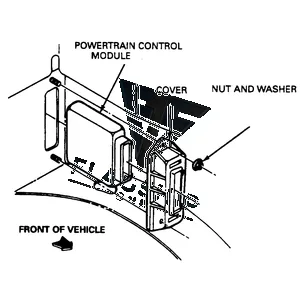
Work with the ignition off, and treat the module as static-sensitive: avoid touching the connector pins at any point.
After installing a new PCM in your 1995 Mazda B4000, the factory procedure typically requires programming the module to match your vehicle’s VIN and specific configuration. This step ensures the module communicates correctly with the engine’s sensors and other onboard systems. However, when you opt for a VIN-programmed replacement unit, this programming is already completed before the module arrives. Flagship One’s units are pre-configured to your B4000’s exact requirements, eliminating the need for additional dealer visits or specialized equipment. This not only saves time but also reduces the risk of programming errors that could lead to further drivability issues. Once installed, the module should function immediately, provided all other engine systems are in good working order.
A failing PCM in your 1995 Mazda B4000 can manifest in several ways, often without clear warning signs. One of the most common symptoms is a no-start condition, where the engine cranks but refuses to fire. This may occur intermittently or become a persistent issue. Stalling is another frequent problem, particularly at idle or during low-speed driving, as the PCM struggles to maintain proper fuel and spark delivery. You might also notice poor engine performance, such as hesitation during acceleration, rough idling, or a general lack of power. Since this vehicle lacks OBD-II diagnostics, you won’t see the typical trouble codes that newer models produce. However, if the PCM is partially functional, it may occasionally trigger a fault like internal control module memory check sum error, though this isn’t guaranteed. Other symptoms can include erratic shifting if the transmission control is integrated into the PCM, or even electrical gremlins like flickering dashboard lights. Because these issues can mimic other problems—such as a bad fuel pump, ignition failure, or sensor malfunction—diagnosing a faulty PCM often involves ruling out other components first.
Since this vehicle doesn’t store OBD-II codes, diagnosis often relies on process of elimination. Start by checking fuel pressure, spark, and sensor signals. If all other systems test normal but the engine still won’t start or runs poorly, the PCM may be the issue. A known-good replacement module can confirm the diagnosis if symptoms disappear.
A used PCM may work temporarily, but it’s not guaranteed. These modules are often programmed to the original vehicle’s VIN, and mismatches can cause drivability issues or failure to start. A VIN-programmed replacement is the most reliable option to ensure compatibility.
Driving with a failing PCM is risky. Symptoms like stalling or sudden loss of power can occur without warning, potentially leaving you stranded or causing unsafe driving conditions. If you suspect PCM issues, address them promptly to avoid further complications.
Stalling at idle while running better at higher RPMs often points to a PCM struggling to maintain proper fuel or spark delivery at low speeds. This can be caused by internal module failure or a faulty sensor input, but the PCM is a common culprit in pre-OBD-II vehicles.
Replacing the PCM is straightforward if you’re comfortable with basic interior disassembly. The module is located under the dashboard on the passenger side, requiring removal of the trim panel. The main challenge is ensuring all electrical connections are secure and free of corrosion during reinstallation.
If your 1995 Mazda B4000 is experiencing PCM-related issues, you have two primary options: attempt a repair or opt for a replacement. Given the complexity of diagnosing and repairing these older modules, a direct replacement is often the most efficient solution. Flagship One provides VIN-programmed replacement PCMs designed specifically for your B4000, eliminating the need for additional programming and ensuring a seamless installation. This approach minimizes downtime and reduces the risk of recurring issues, allowing you to get back on the road with confidence.
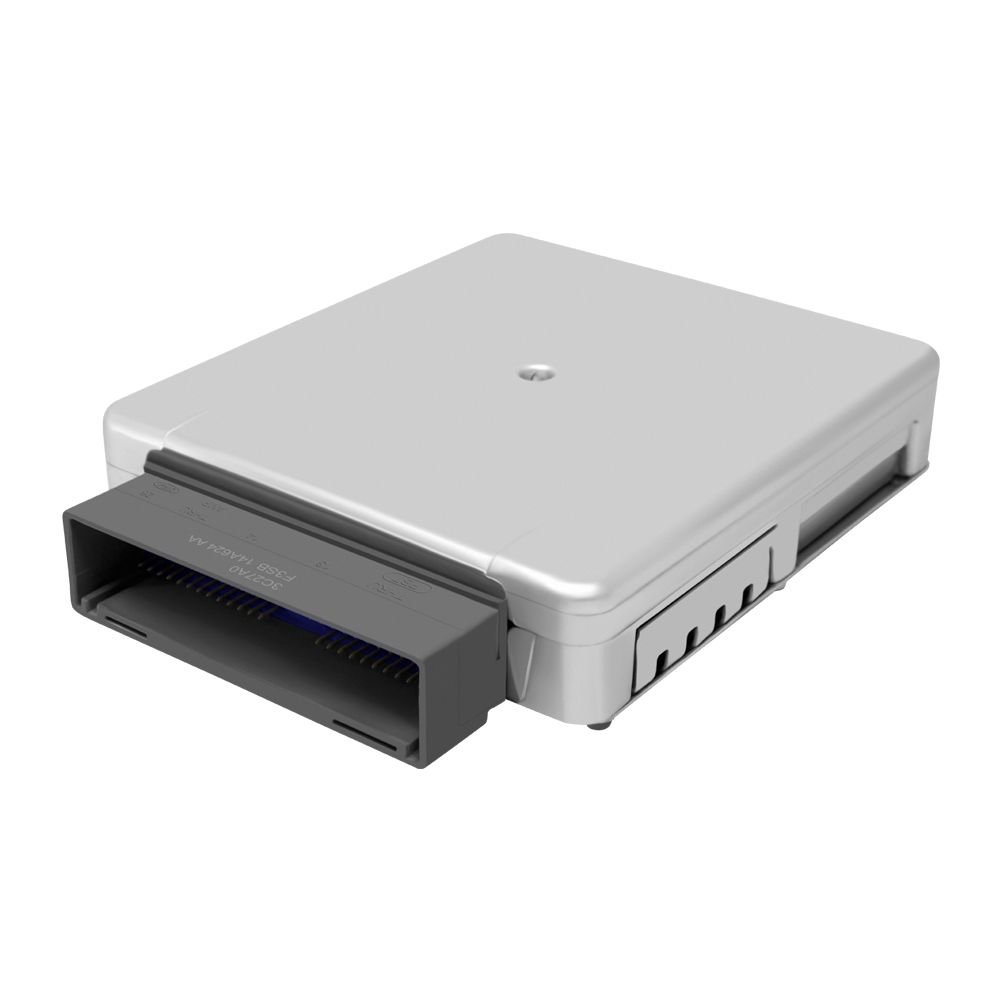
Flagship One stocks a refurbished, VIN-programmed ECM for the 1995 Mazda B4000 with a lifetime warranty, free shipping and no core charge. The full Mazda B4000 module lineup covers other engine configurations as well.
The PCM in your 1995 Mazda B4000 plays a critical role in engine performance, and its failure can lead to frustrating drivability issues. While diagnosing problems in this pre-OBD-II model can be challenging, understanding the common symptoms and replacement process can help you make informed decisions. Whether you choose to tackle the replacement yourself or seek professional assistance, a VIN-programmed module ensures compatibility and reliability. Addressing PCM issues promptly will keep your B4000 running smoothly for years to come.