
Last updated on August 25th, 2026 at 02:41 pm
The Powertrain Control Module in a 1996 Buick Park Avenue manages fuel delivery, ignition timing, and sensor data to keep the engine running smoothly. When it fails, the vehicle may stall, misfire, or lose power, leading to unsafe driving conditions.
If your 1996 Buick Park Avenue has been experiencing unexplained stalling, poor acceleration, or irregular engine behavior, the Powertrain Control Module might be the culprit. This guide explains the module’s role, outlines the replacement process, and highlights key safety precautions. By understanding the PCM’s functions and the steps needed to swap it out, you’ll be better equipped to decide between a professional repair or a refurbished replacement that comes pre‑programmed for your vehicle’s VIN. The information below is tailored specifically to the 1996 Buick Park Avenue, ensuring you receive accurate, actionable advice for this model.
The Powertrain Control Module is the brain of the 1996 Buick Park Avenue’s engine management system. It receives input from the crankshaft position sensor, camshaft sensor, throttle position sensor, and other critical sensors, then calculates the optimal fuel‑air mixture, ignition timing, and valve timing to keep the engine operating efficiently. Failure of this module can manifest as a range of symptoms, from reduced power to complete engine shutdown. 1996 Buick Park Avenue replacement powertrain control modules is often required when the PCM’s internal circuits are damaged or its firmware becomes corrupted. Proper replacement restores the module’s ability to interpret sensor data and command the engine’s actuators, thereby eliminating erratic behavior.
1996 Buick Park Avenue
OEM programmed ECM for your 1996 Buick Park Avenue — plug & play, no dealer visit.
Free shipping · Lifetime warranty
The PCM is located beneath the dashboard on the driver’s side of the 1996 Buick Park Avenue. Accessing it involves removing a panel and disconnecting the power cable. The book time for removal and reinstallation is 0.7 hours. During replacement, ensure the battery is disconnected to avoid accidental power to the module, and follow the specified torque sequence if provided. The process is straightforward but requires careful handling to avoid damaging sensitive electronic components.
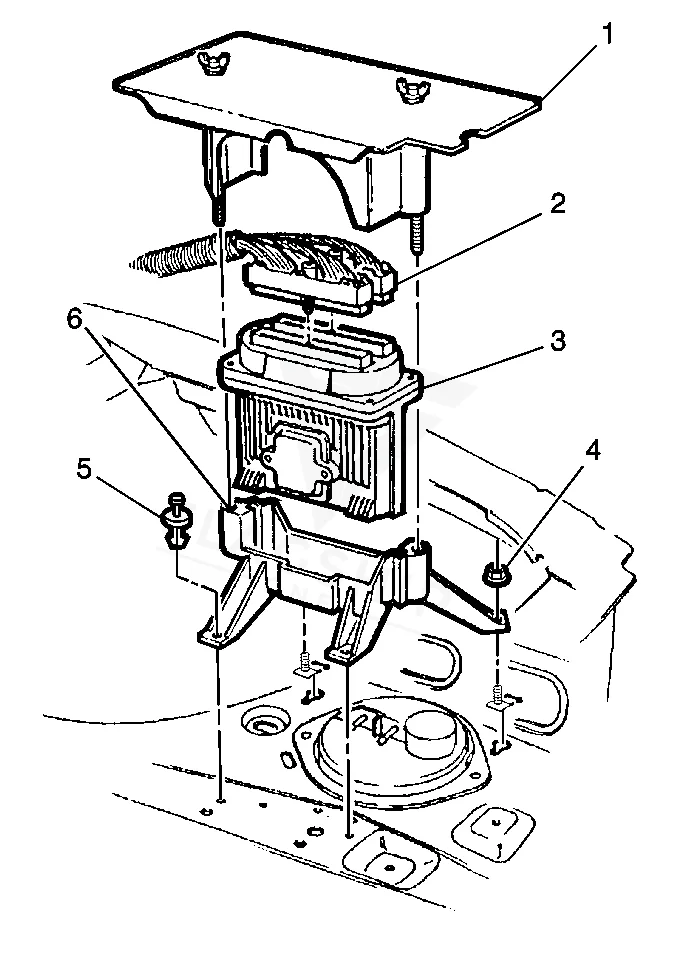
Work with the ignition off, and treat the module as static-sensitive: avoid touching the connector pins at any point.
| Operation | Configuration | Book Time |
|---|---|---|
| Engine Control Module R&R | All configurations | 0.7 hr |
| Powertrain Control Module Relearn | All configurations | 0.5 hr |
| Powertrain Control Module R&R | All configurations | 0.7 hr |
After a PCM replacement, the factory procedure normally requires reprogramming the unit to match the vehicle’s specifications. Flagship One units arrive VIN‑programmed, meaning the module is already configured for your 1996 Buick Park Avenue. This eliminates the need for a separate programming step, saving time and reducing the risk of misconfiguration. VIN‑programmed replacement unit ensures that the new PCM is ready for immediate installation and operation.
When the PCM in a 1996 Buick Park Avenue starts to fail, you may notice a variety of symptoms. The engine might stall during idle or while accelerating, or it may misfire at certain RPM ranges. You might also see a loss of power or a sudden drop in performance, especially when driving uphill. In severe cases, the engine may shut off entirely. If the PCM is not communicating correctly with the rest of the vehicle’s systems, a scan tool may return a dead or no‑data signal. Powertrain Control Module Failure is a common internal fault code that indicates the PCM’s internal circuitry is malfunctioning.
The 1996 Buick Park Avenue’s Powertrain Control Module can generate internal trouble codes that indicate specific failure modes. These codes are essential for diagnosing issues and determining the appropriate repair steps.
| Code | Meaning | Full Guide |
|---|---|---|
| P0601 | Internal memory checksum error | Full P0601 guide → |
Factory Service Bulletin #99-06-04-053 provides guidance on PCM reprogramming for the 1996 Buick Park Avenue. It was issued on October 26, 1999, and addresses potential firmware issues that can affect engine performance.
| Bulletin | Subject | What It Addresses |
|---|---|---|
| 99-06-04-053 | Info – PCM Reprogramming – (Oct 26, 1999) | — |
Typical signs include engine stalling, misfires, loss of power, and a sudden drop in performance. If a scan tool shows no data or a dead signal from the PCM, that’s also a strong indicator of a problem.
With Flagship One units, the PCM comes pre‑programmed to your vehicle’s VIN, so no additional programming is required. The module is ready to install and function immediately.
The replacement is possible, but it requires careful disconnection of the battery, handling of sensitive electronics, and strict adherence to ESD precautions. If you are not comfortable with these steps, a professional technician is recommended.
Any aftermarket equipment that connects electrically to the vehicle should be wired at the battery for both power and ground. Even when installed correctly, it may still cause powertrain malfunctions.
The book time for the replacement is 0.7 hours, covering removal, installation, and basic checks.
When facing a PCM issue in your 1996 Buick Park Avenue, you can choose a professional repair that ensures all safety steps are followed, or opt for a refurbished replacement that comes pre‑programmed and ready to install. Both options aim to restore your vehicle’s reliability and performance.
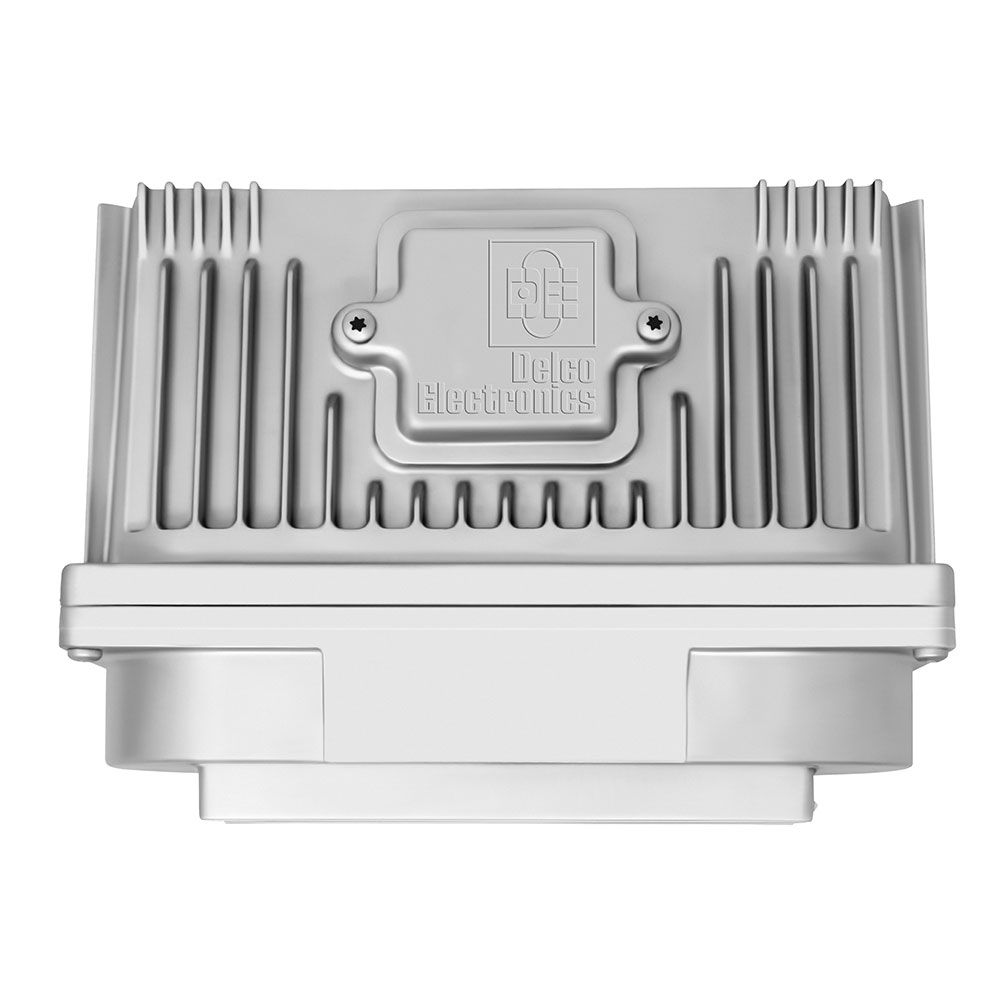
Flagship One stocks a refurbished, VIN-programmed PCM for the 1996 Buick Park Avenue with a lifetime warranty, free shipping and no core charge. The full Buick Park Avenue module lineup covers other engine configurations as well.
A reliable Powertrain Control Module is vital for a 1996 Buick Park Avenue’s smooth operation. If you suspect a PCM problem, consider a replacement that is VIN‑programmed for your vehicle. Take action promptly to keep your park avenue running safely.