
Last updated on August 25th, 2026 at 01:18 pm
The engine control module (ECM) in your 1995 Infiniti Q45 acts as the vehicle’s central brain, managing fuel delivery, ignition timing, and emissions systems. When it fails, you may experience poor performance, stalling, or a complete no-start condition due to disrupted sensor communication.
If your 1995 Infiniti Q45 has been acting unpredictably—stalling at stops, hesitating under acceleration, or refusing to start—your engine control module (ECM) may be the culprit. Unlike modern vehicles with advanced diagnostics, this pre-OBD-II model relies on a simpler but equally critical computer to manage engine performance. When the ECM fails, it can disrupt everything from fuel delivery to ignition timing, leaving you stranded or dealing with poor drivability. Replacing it isn’t just about swapping a part; it involves understanding where the module is located, how to install it correctly, and ensuring it communicates properly with the rest of your vehicle’s systems. This guide walks you through what the ECM does in your Q45, how to recognize failure symptoms, and what to expect during replacement—including why choosing a pre-programmed unit can save you time and frustration.
1995 Infiniti Q45
OEM programmed ECM for your 1995 Infiniti Q45 — plug & play, no dealer visit.
Free shipping · Lifetime warranty
In your 1995 Infiniti Q45, the engine control module (ECM) serves as the command center for nearly all engine-related functions. It continuously monitors inputs from sensors—such as the throttle position, oxygen, and coolant temperature sensors—to adjust fuel injection, ignition timing, and idle speed in real time. Without a properly functioning ECM, your Q45 may struggle to maintain smooth operation, particularly under varying loads or temperatures. The module also plays a role in emissions control, ensuring the vehicle meets factory standards for exhaust output. Over time, heat, vibration, or electrical surges can degrade the ECM’s internal components, leading to intermittent or permanent failures. When this happens, you’ll often notice symptoms like rough idling, stalling, or a complete loss of engine power. Replacing the module with replacement engine computers for the Q45 ensures compatibility and restores reliable performance, but it’s important to follow the correct installation and programming steps to avoid further issues.
The engine control module in your 1995 Infiniti Q45 is typically located in the engine bay, mounted near the firewall or on the passenger-side strut tower. Accessing it involves removing a protective cover or bracket, which may require basic hand tools like a socket wrench or screwdriver. According to factory labor estimates, removing and replacing the ECM takes about 0.5 hours. This time includes disconnecting the battery, unplugging the wiring harness, and securing the new module in place. There are no additional torque specifications provided for this procedure, but ensuring all connectors are clean and properly seated is critical to avoid electrical issues. Once installed, the module must be programmed or relearned to synchronize with your vehicle’s systems, a step that adds another 0.5 hours of labor if done manually.
| Operation | Configuration | Book Time |
|---|---|---|
| Powertrain Control Module R&R | All configurations | 0.5 hr |
| Engine Control Module Relearn | All configurations | 0.5 hr |
| Engine Control Module R&R | All configurations | 0.5 hr |
After replacing the engine control module in your 1995 Infiniti Q45, the factory procedure requires a relearn process to ensure the new unit communicates correctly with the vehicle’s sensors and actuators. This step, which typically takes 0.5 hours, involves resetting the ECM’s adaptive memory and allowing it to recalibrate to your Q45’s specific operating conditions. Without this procedure, you may experience poor idle quality, hesitation, or even a no-start condition. However, when you install a VIN-programmed replacement unit, these steps are already completed at the factory. This means your vehicle will recognize the new module immediately, eliminating the need for additional programming or relearn procedures. It’s a straightforward way to avoid potential headaches and get your Q45 back on the road faster.
When the engine control module in your 1995 Infiniti Q45 begins to fail, the symptoms can range from subtle to severe, often mimicking other mechanical or electrical issues. One of the most common signs is a no-start condition, where the engine cranks but refuses to fire, often due to incorrect fuel or ignition signals from the ECM. You may also notice the engine stalling at idle or during deceleration, particularly when coming to a stop. Rough idling or surging—where the engine revs unpredictably—can indicate the ECM is struggling to maintain stable air-fuel ratios. Another telltale symptom is poor acceleration or hesitation under load, as the module fails to adjust timing or fuel delivery properly. In some cases, the vehicle may enter a limp-home mode, limiting power to prevent further damage. Electrical gremlins, such as flickering dashboard lights or intermittent sensor failures, can also point to ECM issues. While these symptoms don’t always guarantee a bad module, they warrant further inspection, especially if they occur alongside an internal control module memory check error.
Stalling at idle, particularly after the vehicle has sat for several hours, is often linked to the ECM failing to maintain proper fuel or idle control. The module may struggle to adapt to temperature changes or sensor inputs, leading to a rough or stalled engine. Replacing the ECM with a pre-programmed unit can resolve this issue by restoring proper communication with the idle control system.
Yes, a failing ECM can disrupt ignition timing or fuel delivery, leading to misfires or hesitation. The module relies on inputs from sensors like the crankshaft and camshaft position sensors to time spark and fuel injection. If the ECM isn’t processing these signals correctly, you may experience poor performance under load. A replacement module can restore proper operation if the issue is isolated to the ECM.
Diagnosing an ECM failure in your Q45 often involves ruling out other potential causes, such as faulty sensors, wiring issues, or a weak battery. If the vehicle exhibits multiple symptoms—like stalling, no-start conditions, and erratic idle—it may point to the ECM. A scan tool can check for internal module codes, though pre-OBD-II vehicles may require additional testing to confirm the issue.
Yes, the factory procedure requires a relearn process after installing a new ECM to ensure it adapts to your vehicle’s specific operating conditions. This step typically takes 0.5 hours and involves resetting the module’s adaptive memory. However, a VIN-programmed replacement unit from Flagship One eliminates this step, as the module arrives ready to communicate with your Q45’s systems.
Replacing the ECM in your 1995 Infiniti Q45 requires basic hand tools, such as a socket wrench or screwdriver, to remove the protective cover or bracket. You’ll also need to disconnect the battery before unplugging the wiring harness to avoid electrical issues. While the labor time is minimal, ensuring all connectors are clean and properly seated is critical for reliable operation.
If your 1995 Infiniti Q45 is experiencing symptoms like stalling, no-start conditions, or poor drivability, replacing the engine control module may be the solution. While a dealership or repair shop can perform the replacement, opting for a pre-programmed unit from Flagship One eliminates the need for post-install programming, saving you time and potential frustration. Whether you choose a new or refurbished module, ensuring it’s compatible with your Q45’s specifications is key to restoring reliable performance.
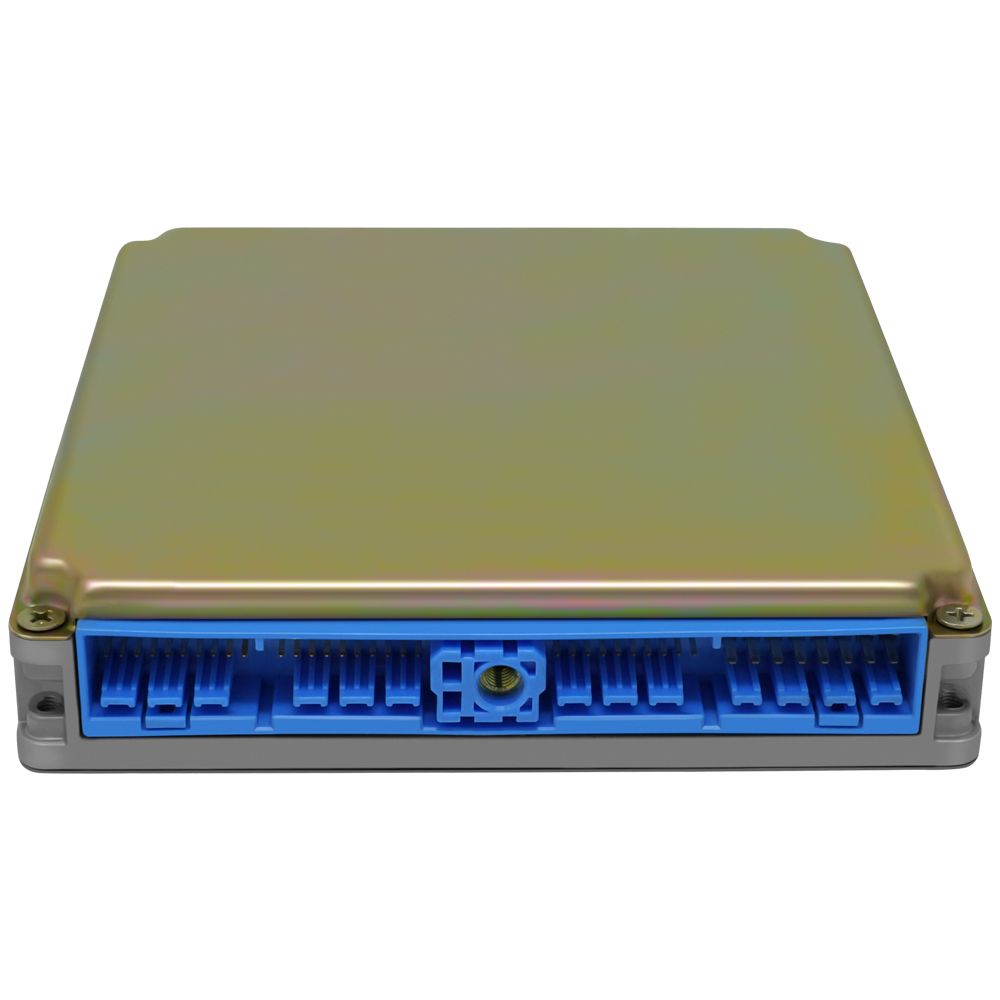
Flagship One stocks a refurbished, VIN-programmed PCM for the 1995 Infiniti Q45 with a lifetime warranty, free shipping and no core charge. The full Infiniti Q45 module lineup covers other engine configurations as well.
The engine control module in your 1995 Infiniti Q45 plays a critical role in managing engine performance, and when it fails, it can lead to a range of frustrating symptoms. By understanding the module’s function, recognizing failure signs, and following proper replacement procedures, you can address issues efficiently. Whether you tackle the job yourself or rely on a professional, choosing a pre-programmed unit ensures a smoother process and gets your Q45 back on the road with minimal downtime.