
Last updated on August 25th, 2026 at 01:11 pm
The Powertrain Control Module (PCM) in your 1993 Jeep Grand Cherokee manages fuel injection, ignition timing, and emissions systems. Failures may cause hard starts, stalling, or erratic engine behavior, often due to internal corrosion or voltage spikes.
If your 1993 Jeep Grand Cherokee suddenly refuses to start or stalls unexpectedly, the Powertrain Control Module (PCM) may be at fault. This critical component acts as the brain of your vehicle’s engine management system, regulating fuel delivery, ignition timing, and emissions controls. When it fails, symptoms can range from intermittent misfires to complete no-crank conditions. Replacing the PCM involves straightforward labor, but factory procedures often require additional programming steps. Understanding the module’s role, location, and replacement process helps you make informed decisions about repairs, whether you’re tackling the job yourself or working with a shop.
In your 1993 Jeep Grand Cherokee, the PCM (originally called the Single Board Engine Controller or SBEC) coordinates fuel injection, ignition timing, and idle speed to maintain smooth operation. It constantly adjusts these parameters based on sensor inputs, ensuring optimal performance and emissions compliance. A failing PCM may disrupt these calculations, leading to poor fuel economy, rough idling, or even a vehicle that won’t start. Since the module integrates engine and transmission controls, its reliability directly impacts drivability. If replacement becomes necessary, replacement engine computers for the Grand Cherokee are available to restore full functionality without extensive reprogramming hassles.
1993 Jeep Grand Cherokee
OEM programmed ECM for your 1993 Jeep Grand Cherokee — plug & play, no dealer visit.
Free shipping · Lifetime warranty
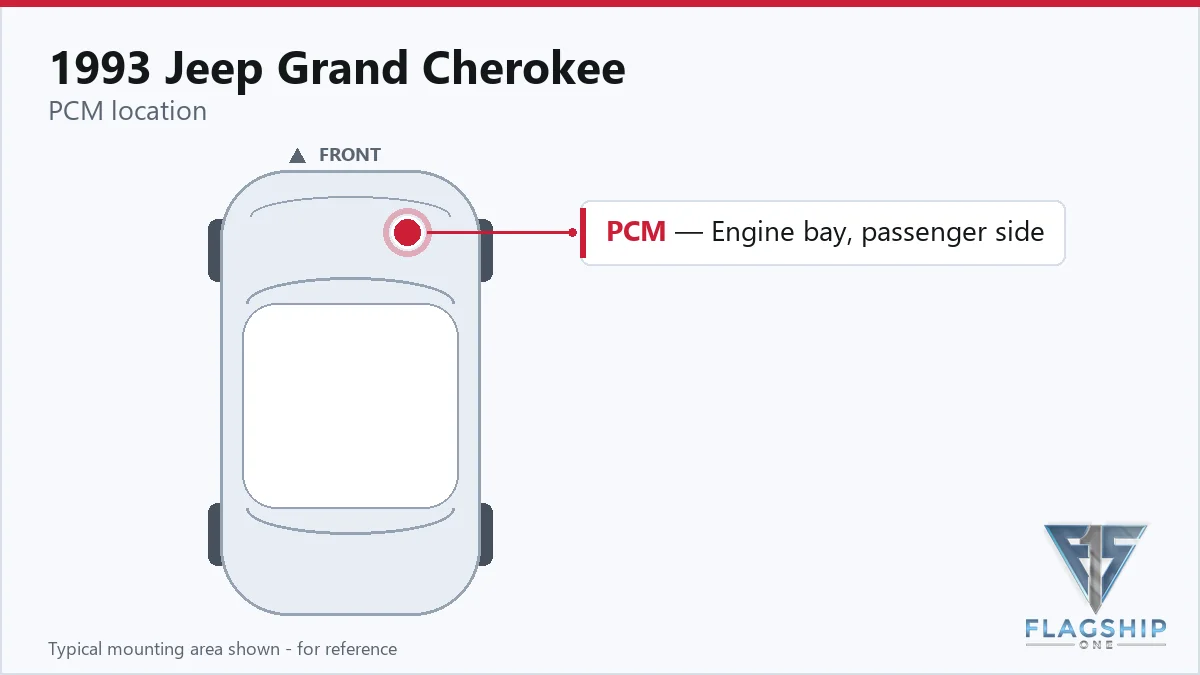
The PCM in your 1993 Jeep Grand Cherokee sits in the right rear corner of the engine bay, secured to the firewall. Accessing it requires removing the protective cover and disconnecting the wiring harness. According to labor guides, removing and reinstalling the module typically takes 0.7 hours. While no torque specifications are provided for this vehicle, ensuring connectors are clean and properly seated helps prevent future electrical issues. The location allows for relatively quick service, though care should be taken to avoid damaging the harness during removal.
| Operation | Configuration | Book Time |
|---|---|---|
| Powertrain Control Module R&R | All configurations | 0.7 hr |
| Engine Control Module Relearn | All configurations | 0.5 hr |
| Engine Control Module R&R | All configurations | 0.7 hr |
After installing a new PCM in your 1993 Jeep Grand Cherokee, the factory procedure requires a 0.5-hour relearn process to synchronize the module with the vehicle’s sensors. This step ensures proper fuel trim, ignition timing, and idle control. However, a VIN-programmed replacement unit from Flagship One arrives pre-configured to your vehicle’s specifications, eliminating the need for additional programming. This saves time and reduces the risk of incomplete initialization, which could lead to persistent drivability issues.
A failing PCM in your 1993 Jeep Grand Cherokee may cause a range of symptoms, including intermittent stalling, hard starting, or an engine that cranks but won’t fire. You might also notice erratic idle speeds, poor acceleration, or a check engine light with no obvious mechanical cause. In some cases, the vehicle may enter a limp-home mode, limiting power to prevent further damage. While these issues can stem from other components, persistent electrical gremlins—such as internal control module memory check sum error—often point to PCM failure. If your scan tool fails to communicate with the module, that’s another strong indicator of a problem.
Factory service bulletin #18-037-05 addresses flash programming failures when updating the PCM using the DRBIII scan tool. If the module loses power or communication during programming, the bulletin provides recovery steps to restore functionality. This highlights the importance of a stable power supply during any software-related service, as interruptions may render the module inoperable.
| Bulletin | Subject | What It Addresses |
|---|---|---|
| 18-037-05 | 18-037-05 Flash Programming Failure Recovery Using DRBIII® | — |
Replacing the PCM is mechanically straightforward, but the factory requires a relearn procedure afterward. If you’re comfortable with basic electrical work and have access to a scan tool, it’s manageable. However, using a pre-programmed unit eliminates the need for additional setup.
Random stalling after a cold soak often points to a failing PCM, especially if the issue disappears once the engine warms up. The module’s internal components may struggle to maintain stable operation until temperatures stabilize, leading to intermittent failures.
A scan tool can help distinguish between PCM faults and sensor issues. If the tool fails to communicate with the module or logs internal PCM codes, the problem likely lies with the controller itself. Persistent no-start conditions with no other mechanical faults also suggest PCM failure.
If your 1993 Jeep Grand Cherokee is experiencing PCM-related issues, you have two primary options: repair the existing module or replace it with a refurbished unit. While repairs may be cost-effective for minor faults, a replacement ensures long-term reliability, especially for vehicles with high mileage. Flagship One provides VIN-programmed modules that eliminate the need for factory relearn procedures, simplifying the process.
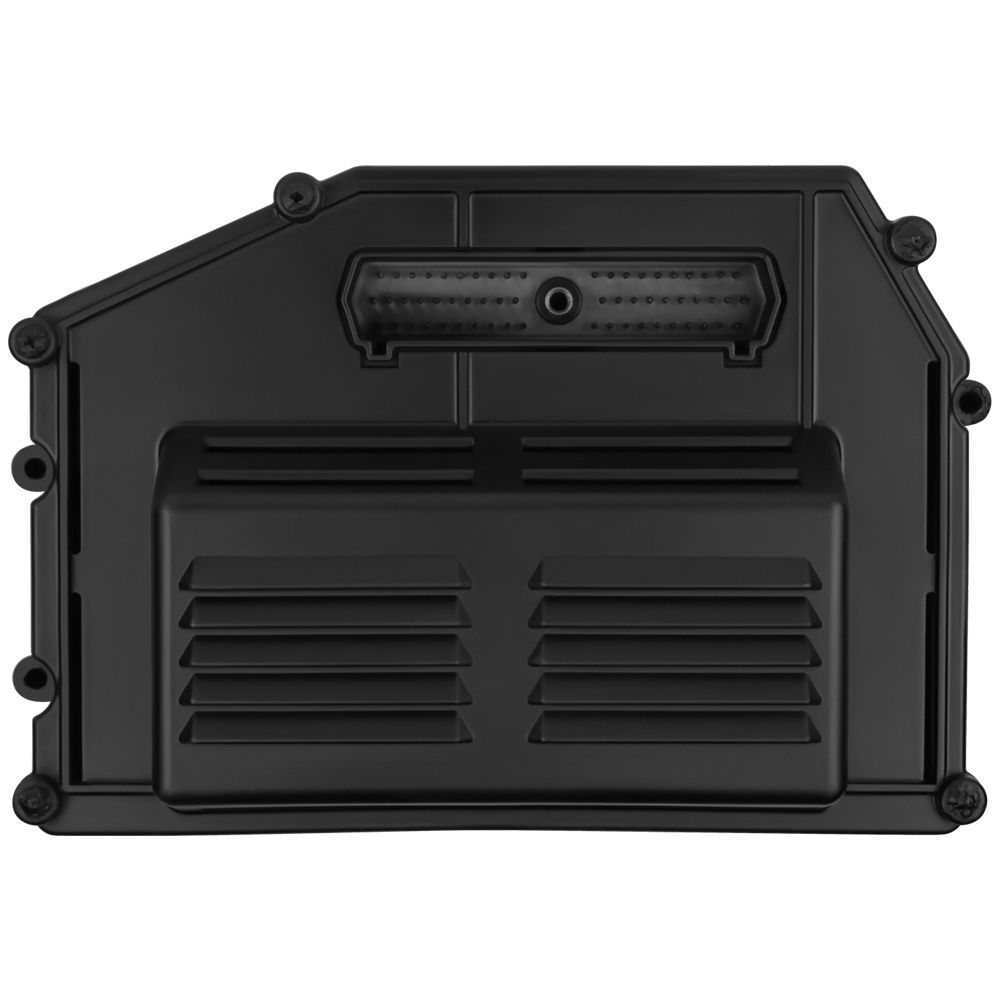
Flagship One stocks a refurbished, VIN-programmed PCM for the 1993 Jeep Grand Cherokee with a lifetime warranty, free shipping and no core charge. The full Jeep Grand Cherokee module lineup covers other engine configurations as well.
The PCM in your 1993 Jeep Grand Cherokee plays a critical role in engine performance, and its failure can lead to frustrating drivability issues. Whether you opt for a repair or a pre-programmed replacement, addressing the problem promptly restores confidence in your vehicle’s reliability. With the right approach, you can avoid unnecessary downtime and keep your Grand Cherokee running smoothly.