
Last updated on August 25th, 2026 at 02:15 pm
The powertrain control module (PCM) in your 1993 Honda Accord manages fuel delivery, ignition timing, and emissions systems. Failure may cause erratic engine behavior, stalling, or a complete no-start condition.
If your 1993 Honda Accord is experiencing unexplained stalling, rough idling, or a refusal to start, the powertrain control module (PCM) may be the culprit. This small but critical computer governs how your engine runs, adjusting fuel and ignition timing in real time. Replacing it isn’t overly complex, but understanding its role, location, and the steps needed afterward can save you time and frustration. Whether you’re diagnosing symptoms or preparing for a replacement, knowing what to expect helps you make informed decisions about your vehicle’s repair.
In your 1993 Honda Accord, the powertrain control module (PCM) acts as the brain of the engine, processing inputs from sensors to optimize performance and emissions. It adjusts fuel injection, ignition timing, and idle speed based on driving conditions. A failing PCM may disrupt these functions, leading to poor drivability or even preventing the engine from starting. When replacement becomes necessary, replacement engine computers for the Accord are designed to restore proper operation, though they often require programming to match your vehicle’s specifications.
1993 Honda Accord
OEM programmed ECM for your 1993 Honda Accord — plug & play, no dealer visit.
Free shipping · Lifetime warranty
The PCM in the 1993 Honda Accord is located behind the passenger-side kick panel, near the fuse box. Accessing it involves removing the lower dashboard panel, which typically requires basic hand tools. Replacement labor is straightforward, with book time estimated at 0.5 to 0.6 hours for removal and reinstallation. No special torque specifications are noted, but ensuring connectors are securely fastened is critical to avoid intermittent electrical issues. The module is held in place with a few screws or clips, making the process manageable for most DIYers with moderate mechanical experience.
| Operation | Configuration | Book Time |
|---|---|---|
| Powertrain Control Module R&R | All configurations | 0.6 hr |
| Powertrain Control Module Relearn | All configurations | 0.5 hr |
| Engine Control Module Relearn | All configurations | 0.5 hr |
| Engine Control Module R&R | All configurations | 0.5 hr |
After replacing the PCM in your 1993 Honda Accord, a factory relearn procedure is required to synchronize the module with the engine’s sensors. This process typically takes 0.5 hours of labor and ensures proper fuel and ignition timing. However, a VIN-programmed replacement unit arrives pre-configured for your vehicle, eliminating the need for this step. This saves time and reduces the risk of incomplete initialization, which could lead to drivability issues. Always confirm the replacement module is compatible with your specific engine configuration before installation.
A failing PCM in your 1993 Honda Accord may cause a range of symptoms, including intermittent stalling, rough idling, or a complete no-start condition. You might also notice poor acceleration, misfires, or the engine running too rich or too lean. In some cases, the vehicle may enter a limp-home mode, limiting power to prevent damage. If the module’s internal memory is corrupted, you could encounter an internal control module memory check failure, which often triggers the check engine light. Dead scan tool communication is another red flag, indicating the PCM is unresponsive or failing to communicate with diagnostic equipment.
A factory service bulletin for the 1993 Honda Accord notes that accessory wiring near the fuse box may damage the PCM connector terminals. Corrosion or poor contact at these terminals can lead to intermittent electrical issues, including stalling or no-start conditions. If you’re experiencing these symptoms, inspecting the wiring and connector integrity is a recommended first step before replacing the module.
| Bulletin | Subject | What It Addresses |
|---|---|---|
| — | Accessory Wiring May Ruin Fuse Box • ECU Connector Terminal Removal | — |
Intermittent stalling after PCM replacement often indicates an incomplete relearn procedure or a poor electrical connection. The module must synchronize with the engine’s sensors, and if this step is skipped, the vehicle may run erratically. Additionally, corroded or loose connectors can cause sporadic communication issues, leading to stalling.
Driving with a faulty PCM is risky, as it may cause sudden stalling, misfires, or even a no-start condition. The vehicle may also run poorly, reducing fuel efficiency and increasing emissions. If you suspect PCM failure, it’s best to address the issue promptly to avoid being stranded or causing further damage.
If your vehicle exhibits symptoms like stalling, no-start conditions, or poor drivability, the PCM may need replacement. However, if the module is still communicating with a scan tool but logging faults, reprogramming might resolve the issue. A professional diagnosis can determine whether the module is faulty or simply needs recalibration.
If your 1993 Honda Accord is showing signs of PCM failure, you have options. A repair shop can attempt to diagnose and reprogram the existing module, but if replacement is necessary, a pre-programmed unit can simplify the process. Given the age of the vehicle, ensuring the replacement is reliable and correctly matched to your engine is key to restoring smooth operation.
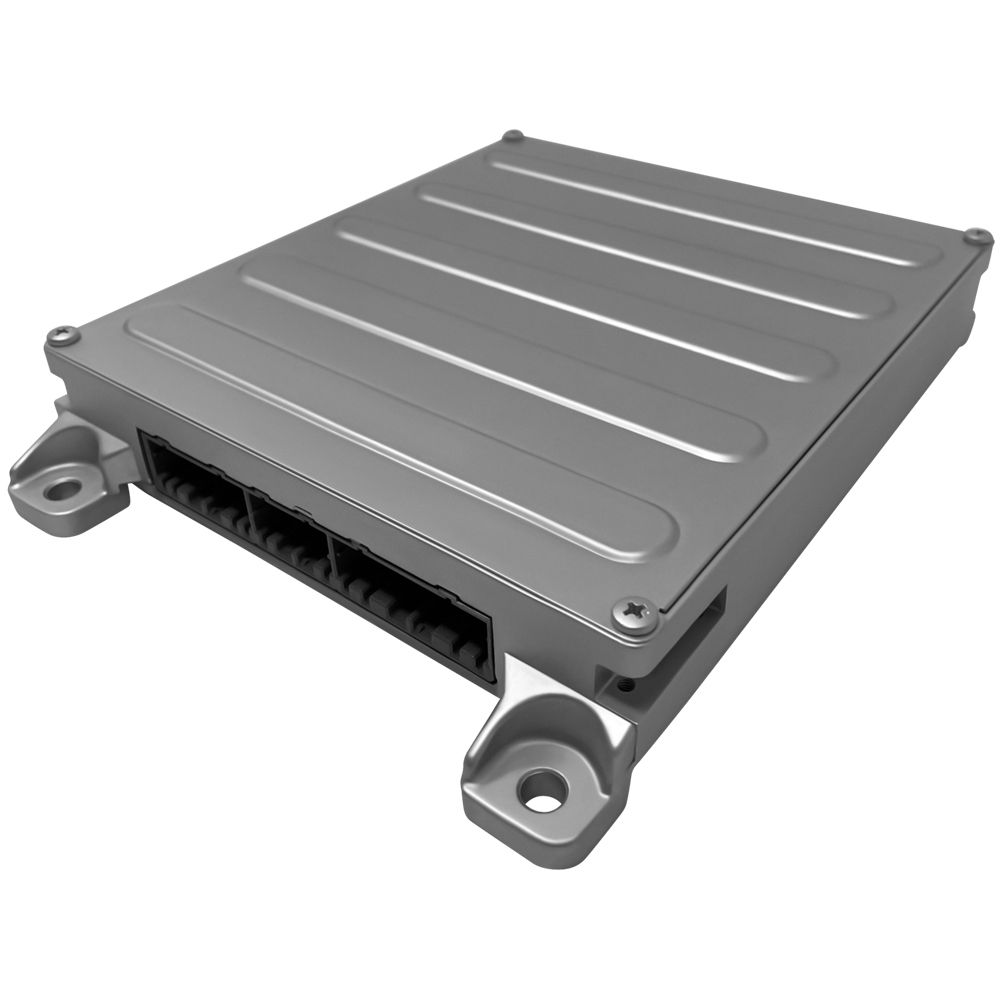
Flagship One stocks a refurbished, VIN-programmed PCM for the 1993 Honda Accord with a lifetime warranty, free shipping and no core charge. The full Honda Accord module lineup covers other engine configurations as well.
The 1993 Honda Accord relies on its PCM to keep the engine running smoothly. If you’re dealing with stalling, misfires, or a no-start condition, the module may be the root cause. Understanding its role, location, and the steps needed for replacement can help you make an informed decision. Whether you opt for a repair or a pre-programmed replacement, addressing the issue promptly will keep your Accord on the road.