
Last updated on August 25th, 2026 at 02:46 pm
The engine control unit in your 1993 Acura NSX manages fuel delivery and ignition timing across the 3.0L V6 VTEC powerplant. When internal circuits fail or ground paths deteriorate, the ECU can no longer properly command injector pulses and spark events, resulting in hard-starting, stalling, or complete no-spark conditions.
The 1993 Acura NSX represents a generation of engine management technology that predates standardized onboard diagnostics. If your NSX exhibits hard-starting, stalling, or complete no-spark behavior, the engine control unit or its associated wiring and ground paths often bear responsibility. Unlike later vehicles with self-diagnostic capability, diagnosing the 3.0L VTEC engine requires hands-on verification of electrical paths rather than code retrieval. This guide walks through how the ECU functions within your specific vehicle, the symptoms that indicate internal or external failures, and the practical realities of replacement versus repair. You will gain enough context to approach diagnosis systematically or evaluate whether a refurbished replacement unit makes more sense than troubleshooting a failing original computer.
Engine computer (ECM/PCM)
OEM programmed replacements — plug & play, no dealer visit.
Find yours by year, make & model →
Free shipping · Lifetime warranty
The engine control unit in your 1993 Acura NSX serves as the central processor for all fuel and ignition operations in the 3.0L aluminum V6. Every few engine cycles, the ECU calculates injector pulse width and ignition timing based on inputs from the camshaft position sensor, crankshaft position sensor, MAP sensor, IAT sensor, and oxygen sensors. The unit then drives the injectors and ignition coils through output circuits protected by internal drivers. What makes this system vulnerable on older NSX examples is that the factory ECU contains no self-diagnostic memory for storing fault codes. When internal driver circuits fail, the ECU typically loses specific functions entirely rather than illuminating a check engine light. Ground paths prove equally critical because the ECU measures sensor voltages relative to its own ground reference. Corroded or loose ground connections introduce offset errors that corrupt the entire fuel and ignition strategy, sometimes causing symptoms that mimic sensor failures. The unit operates within a sealed enclosure, but thermal cycling over three decades stresses solder joints and internal components. Replacement engine computers for the 1993 Acura NSX from specialized suppliers arrive pre-programmed with your specific vehicle identification, eliminating the need for dealer flash programming that the factory originally specified.
Flagship One keeps Acura NSX replacement engine computers in stock for exactly this failure pattern.
The engine control unit on the 1993 NSX mounts inside the passenger compartment rather than the engine bay, typically beneath the passenger-side dashboard or behind interior panels near the firewall. This interior placement offers some protection from under-hood heat and moisture but exposes the unit to humidity that can migrate through the HVAC system and connector seals. Access requires removal of dashboard trim panels and potentially the glove box assembly, with careful attention to avoid damaging the fragile plastic clips common on that era. The ECU itself uses a multi-pin connector that carries both power, ground, and all signal circuits. Connector terminal removal for inspection or repair requires a proper terminal release tool to avoid bending pins. Reinstallation involves torque specifications for any mounting fasteners, and all ground ring terminals must be cleaned to bright metal before reconnecting. The factory manual specifies specific procedures for verifying proper reconnection before starting the engine after any ECU work.
After any engine control unit replacement, the factory service procedure for the 1993 NSX requires verification of several key parameters before the vehicle is considered roadworthy. The replacement ECU must be confirmed to communicate with all sensors, and the adaptive memory from the original unit does not transfer to a new or refurbished computer. This means that long-term fuel trim values and other learned corrections revert to default, requiring a drive cycle for the new unit to re-adapt to your specific engine. Flagship One units arrive as a VIN-programmed replacement unit with the 1993 NSX calibration already installed, which means the dealer programming step that would normally be required after installation is already complete when you receive the part. Your throttle position sensor minimum and maximum values, however, should still be verified against factory specifications after any ECU swap to ensure the new computer has valid reference points for pedal-to-throttle correlation.
Every VIN-programmed replacement unit from Flagship One arrives with these steps already completed.
Engine control unit failures in the 1993 Acura NSX typically manifest as either complete function loss or severely degraded operation. A hard-starting condition where the engine cranks normally but fails to fire often points to loss of injector pulse or spark, both controlled by the ECU output stages. Stalling immediately after starting suggests the ECU is receiving some sensor data but cannot maintain proper fuel delivery under changing load conditions. Misfire patterns that change with engine temperature or throttle position frequently indicate marginal ECU output circuit capability rather than individual ignition component failures. The absence of stored codes in pre-OBD-II systems means that dead scan tool communication does not confirm ECU failure; many sensor and wiring faults present identically to ECU internal problems on the bench. No-spark conditions deserve particular attention because the diagnostic bulletin specifically highlights that dwell meter readings help distinguish ECU ground failures from actual ignition coil problems. Intermittent symptoms often worsen as the engine compartment temperature rises, as heat accelerates degradation of marginal solder joints within the ECU housing.
The factory service bulletins for this generation address ECU diagnosis through voltage drop methodology rather than simple resistance measurement. One bulletin emphasizes that ECU ground integrity must be verified with the circuit under load, using a digital multimeter set to measure actual voltage drop rather than static resistance. Another bulletin directs technicians to use dwell meter readings when diagnosing no-spark conditions, as this instrument reveals primary ignition circuit behavior that voltage measurements alone may miss. A third bulletin covers proper ECU connector terminal removal procedures, highlighting that excessive force or wrong tools damage the pin housing and create intermittent opens.
| Bulletin | Subject | What It Addresses |
|---|---|---|
| — | Use Voltage Drops to Check ECU Grounds | — |
| — | ECU Connector Terminals Removal • More No Spark, Use Your Dwell Meter | — |
Deciding between repairing your original engine control unit and installing a refurbished replacement involves weighing diagnostic time against replacement cost and the inherent uncertainty of repairing aging electronics. The 1993 Acura NSX ECU controls a sophisticated 3.0L VTEC engine that benefits from reliable, known-good engine management. Flagship One specializes in providing vehicle-specific replacement units programmed to your exact specifications, eliminating the dealer visit that would otherwise follow physical installation.
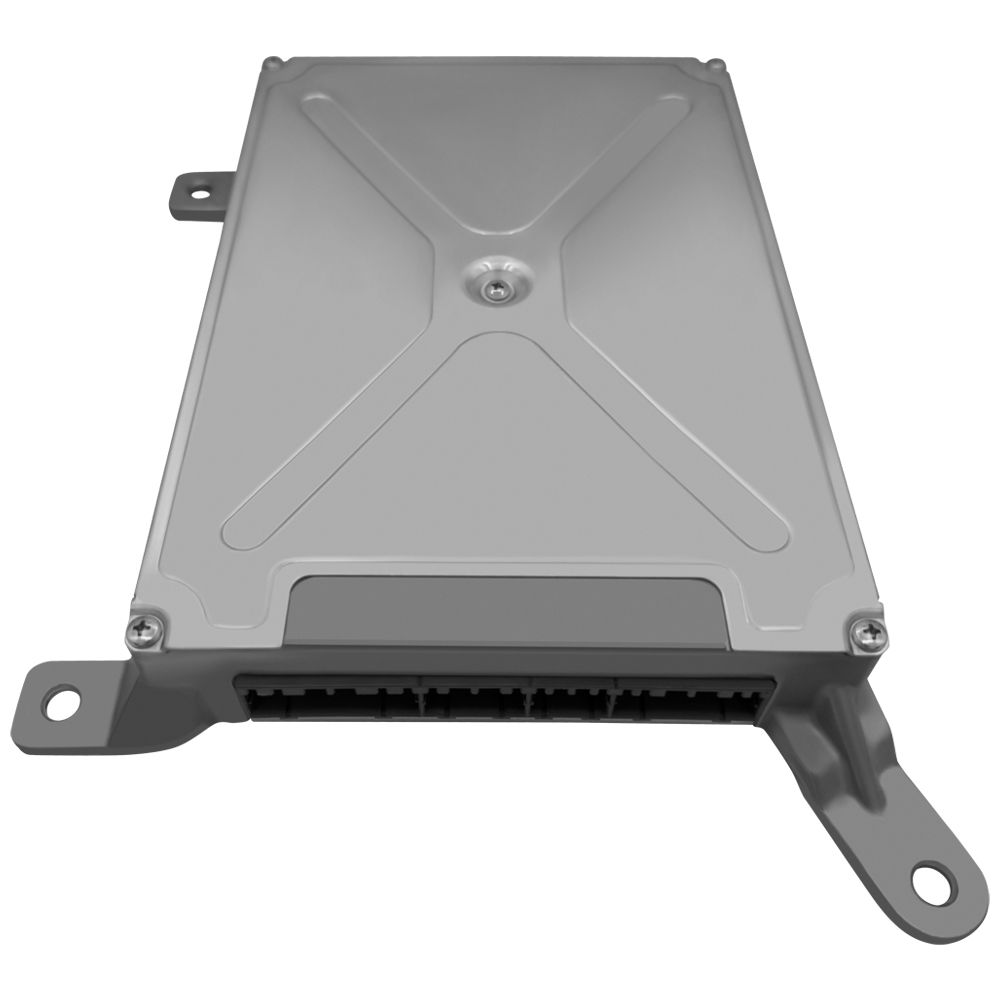
Flagship One stocks a refurbished, VIN-programmed ECM for the 1993 Acura NSX with a lifetime warranty, free shipping and no core charge. The full Acura NSX module lineup covers other engine configurations as well.
The 1993 Acura NSX relies on its engine control unit for all critical engine functions, and ground or internal circuit failures in that computer often mimic sensor or wiring problems without the benefit of stored diagnostic codes. Systematic voltage drop diagnosis identifies external issues before condemning the ECU itself, but replacement remains the practical solution when internal failures are confirmed. Contact Flagship One for a replacement engine computer matched to your NSX specifications.