
Last updated on August 25th, 2026 at 02:37 pm
The Engine Control Unit (ECU) in your 1992 Acura NSX manages fuel injection, ignition timing, and sensor inputs to optimize performance. Failures may cause no-start conditions, erratic idling, or poor throttle response, often due to corroded grounds or connector issues.
If your 1992 Acura NSX is experiencing intermittent starting issues, stalling, or unexplained engine misfires, the Engine Control Unit (ECU) may be the culprit. This pre-OBD-II vehicle relies on a robust but aging computer to manage fuel injection, ignition timing, and sensor feedback. Over time, corrosion, poor grounds, or connector wear can disrupt communication between the ECU and the engine, leading to frustrating drivability problems. Understanding how this module functions, where it’s located, and how to diagnose or replace it can save you time and avoid unnecessary part swaps. This guide will walk you through the role of the ECU in your NSX, common failure symptoms, and practical steps to address issues without guesswork. Whether you’re a seasoned mechanic or a hands-on owner, you’ll gain clarity on how to restore reliable performance to your vehicle’s heart.
Engine computer (ECM/PCM)
OEM programmed replacements — plug & play, no dealer visit.
Find yours by year, make & model →
Free shipping · Lifetime warranty
The Engine Control Unit (ECU) in your 1992 Acura NSX serves as the brain of the engine management system, processing inputs from sensors like the crankshaft position, throttle position, and oxygen sensors to optimize fuel delivery and ignition timing. This ensures smooth acceleration, efficient combustion, and compliance with emissions standards of the era. Without a functioning ECU, your NSX may fail to start, run roughly, or even stall unexpectedly. The module’s reliability is critical, as it directly influences throttle response and overall drivability. When issues arise, they often stem from electrical faults rather than internal component failure, making diagnosis a matter of methodical testing. If replacement becomes necessary, replacement engine computers for the Acura NSX are available to restore full functionality without the need for extensive reprogramming or adaptation.
The ECU in the 1992 Acura NSX is mounted inside the passenger-side footwell, behind a kick panel. Accessing it requires removing the lower dashboard trim and the kick panel itself, which may involve unscrewing a few fasteners. Once exposed, the ECU is secured with a single bolt or clip, allowing for straightforward removal. The connector terminals must be handled with care, as they are prone to bending or breaking if mishandled. After disconnecting the battery to prevent electrical shorts, the old unit can be swapped for a new one. Reinstallation follows the reverse order, ensuring all connectors are fully seated and the kick panel is securely reattached. While the physical replacement is relatively simple, proper diagnosis beforehand is essential to confirm the ECU is the root cause of your vehicle’s issues.
After installing a new ECU in your 1992 Acura NSX, the factory procedure typically requires a relearn or initialization process to synchronize the module with the vehicle’s sensors and actuators. This may involve driving the car under specific conditions to allow the ECU to adapt to fuel trims, idle settings, and ignition timing. However, a VIN-programmed replacement unit from Flagship One arrives pre-configured for your NSX, eliminating the need for these additional steps. This ensures the engine computer is ready to function immediately after installation, reducing downtime and the risk of incomplete adaptation. Always verify that the replacement unit matches your vehicle’s original part number to avoid compatibility issues, and reconnect the battery only after all connections are secure.
When the ECU in your 1992 Acura NSX begins to fail, symptoms may vary but often include a no-start condition, where the engine cranks but refuses to fire. Stalling at idle or during acceleration is another common sign, as the ECU struggles to maintain consistent fuel delivery or ignition timing. You might also notice erratic idling, poor throttle response, or even backfiring, which can indicate the module is misinterpreting sensor data. In some cases, the vehicle may run but feel sluggish or hesitate under load, as if the engine is starved for fuel or spark. Electrical issues, such as corroded grounds or damaged connectors, can mimic ECU failure, so it’s important to rule out these possibilities first. If the ECU itself is faulty, you may encounter a complete lack of communication with diagnostic tools, though this vehicle predates OBD-II, so traditional voltage and dwell tests are more reliable. an internal memory check failure could also point to ECU issues, though such codes are less common in pre-OBD-II systems. Always cross-reference symptoms with physical inspections to avoid misdiagnosis.
Acura issued service bulletins for the 1992 NSX to address common ECU-related issues. One bulletin recommends using voltage drop tests to verify the integrity of the ECU’s ground connections, as poor grounds can mimic module failure. Another bulletin advises technicians to carefully remove and inspect ECU connector terminals if the vehicle exhibits a no-spark condition. In such cases, a dwell meter can be used to confirm whether the ignition coil is receiving the correct signal from the ECU. These bulletins emphasize the importance of thorough electrical diagnostics before condemning the ECU itself.
| Bulletin | Subject | What It Addresses |
|---|---|---|
| — | Use Voltage Drops to Check ECU Grounds | — |
| — | ECU Connector Terminals Removal • More No Spark, Use Your Dwell Meter | — |
A no-start condition in your NSX may stem from a faulty ECU, particularly if the engine cranks but fails to fire. The ECU controls ignition timing and fuel injection, so if it’s not sending the correct signals, the engine won’t start. Check for spark and fuel pressure first, then inspect the ECU grounds and connectors for corrosion or damage.
Since your NSX is pre-OBD-II, you’ll need to use a multimeter to check voltage drops across the ECU grounds and a dwell meter to verify ignition coil signals. Start by measuring voltage at the ECU connector while the key is on, then test for continuity in the wiring harness. If the ECU is receiving power but not sending signals, it may be faulty.
ECU failure in the NSX is often caused by electrical issues like corroded grounds, damaged connectors, or voltage spikes from a weak battery or faulty alternator. Over time, heat and vibration can also degrade internal components. Regular maintenance of the charging system and electrical connections can help prevent premature failure.
Yes, a failing ECU may cause stalling at idle if it’s not properly regulating fuel delivery or ignition timing. The module relies on inputs from sensors like the throttle position and idle air control valve, so if these signals are misinterpreted, the engine may stall. Check for vacuum leaks or sensor issues before condemning the ECU.
Replacing the ECU in your NSX is straightforward but requires careful handling of the connector terminals. The module is located behind the passenger-side kick panel, which must be removed for access. Disconnect the battery before starting, and ensure all connectors are fully seated during reinstallation. While the physical swap is simple, proper diagnosis is key to confirming the ECU is the issue.
If your 1992 Acura NSX is suffering from ECU-related issues, you have two primary options: repair or replacement. While repairs may be possible for minor electrical faults, a faulty module often requires a full replacement to restore reliable performance. Given the age of the vehicle, sourcing a new or refurbished ECU designed for the NSX ensures compatibility and longevity. A pre-programmed unit eliminates the need for post-installation adaptation, allowing you to get back on the road faster.
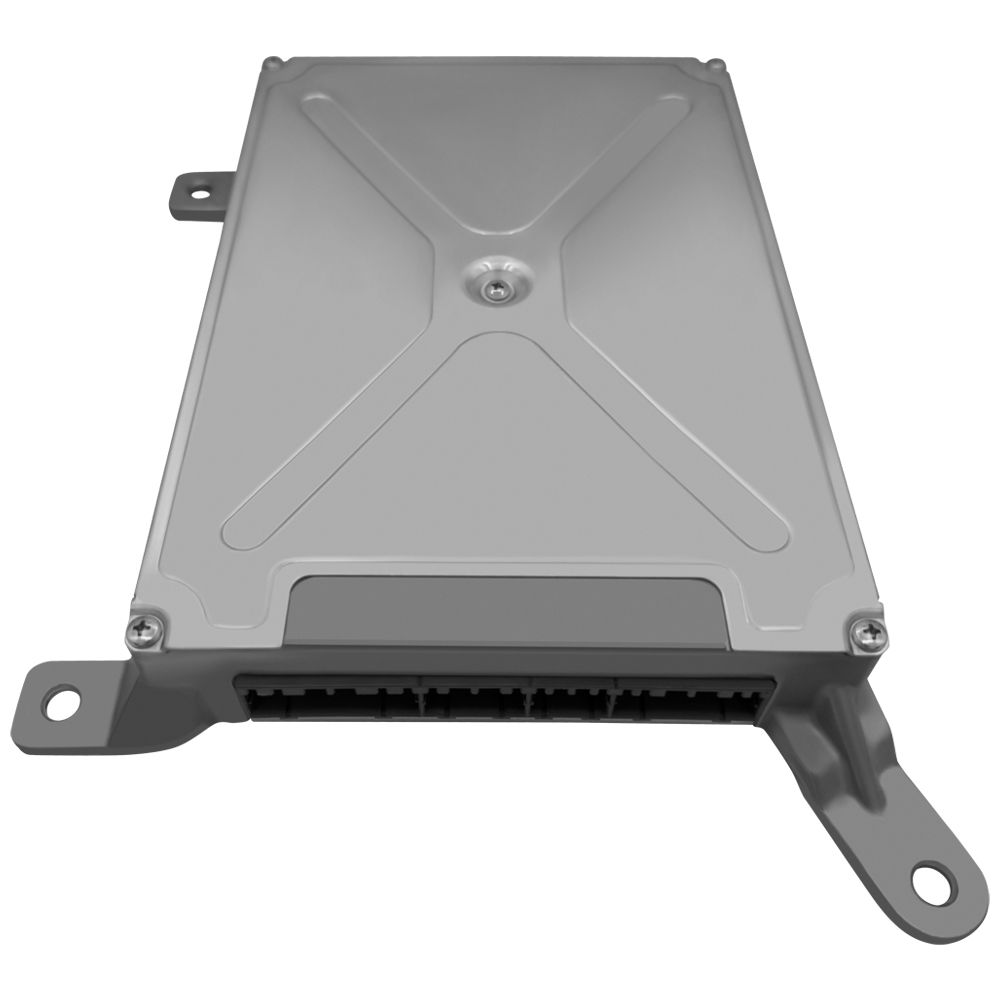
Flagship One stocks a refurbished, VIN-programmed ECM for the 1992 Acura NSX with a lifetime warranty, free shipping and no core charge. The full Acura NSX module lineup covers other engine configurations as well.
The 1992 Acura NSX is a precision-engineered machine that relies on its ECU to deliver the performance and reliability it’s known for. If you’re experiencing no-start conditions, stalling, or erratic engine behavior, the ECU may be the culprit. By following the diagnostic and replacement steps outlined here, you can address the issue with confidence. Whether you choose to repair or replace the module, ensuring proper electrical connections and system health will keep your NSX running smoothly for years to come.