
Last updated on August 25th, 2026 at 02:46 pm
The Powertrain Control Module (PCM) or Engine Control Module (ECM) in your 1992 Acura Legend manages fuel delivery, ignition timing, and emissions systems. Failures may cause hard starts, stalling, or poor engine performance.
If your 1992 Acura Legend is experiencing erratic engine behavior, stalling, or a no-start condition, the Powertrain Control Module (PCM) or Engine Control Module (ECM) may be at fault. This critical component governs fuel injection, ignition timing, and emissions controls, ensuring smooth operation. Replacing or servicing the module requires careful attention to factory procedures, including a relearn process to synchronize the new unit with your vehicle’s systems. Understanding the symptoms, location, and replacement steps can help you address issues efficiently and avoid unnecessary repairs.
1992 Acura Legend
OEM programmed ECM for your 1992 Acura Legend — plug & play, no dealer visit.
Free shipping · Lifetime warranty
The PCM or ECM in your 1992 Acura Legend acts as the brain of the engine, processing data from sensors to optimize performance. It regulates fuel delivery, ignition timing, and idle speed, directly impacting drivability. A failing module may cause hesitation, poor fuel economy, or even prevent the engine from starting. When replacement becomes necessary, you’ll need replacement engine computers for the Legend that are compatible with your vehicle’s specifications. Without proper calibration, the new module may not communicate effectively with other systems, leading to persistent issues.
The PCM or ECM in the 1992 Acura Legend is typically located behind the dashboard on the passenger side, near the kick panel. Accessing it requires removing interior trim panels to expose the module’s mounting bracket. Replacement involves disconnecting the wiring harness, unbolting the old unit, and securing the new one in place. Labor time for removal and reinstallation is usually 0.6 hours. Ensure all connectors are clean and properly seated to avoid intermittent electrical issues after installation.
| Operation | Configuration | Book Time |
|---|---|---|
| Powertrain Control Module R&R | All configurations | 0.6 hr |
| Powertrain Control Module Relearn | All configurations | 0.5 hr |
| Engine Control Module R&R | All configurations | 0.6 hr |
After installing a new PCM or ECM in your 1992 Acura Legend, the factory procedure requires a 0.5-hour relearn process to synchronize the module with the engine and transmission. This step ensures proper communication between the module and vehicle sensors. However, if you opt for a VIN-programmed replacement unit, these steps are already completed, saving you time and potential calibration errors. Always verify that the replacement module matches your vehicle’s original specifications to avoid compatibility issues.
A failing PCM or ECM in your 1992 Acura Legend may cause a range of symptoms, including stalling, rough idle, or a complete no-start condition. You might also notice poor acceleration, misfires, or erratic shifting if the module is struggling to communicate with the transmission. In some cases, the vehicle may enter a limp-home mode to prevent further damage. If you encounter a lean condition detected, it could indicate a fuel delivery issue linked to the module’s performance. Prompt diagnosis is key to preventing further drivability problems.
Factory service bulletins for the 1992 Acura Legend emphasize using voltage drop tests to diagnose ECU grounding issues. For troubleshooting DTC P0171 and P0172, measuring voltage drops can help isolate problems. Updated software (SN211) for the PGM tester is recommended for accurate diagnostics. Additionally, bulletins cover procedures for ECU connector terminal removal and using a dwell meter to diagnose no-spark conditions. These steps are critical for resolving multiple indicator faults, including ABS/TCS, VSA, and misfire codes.
| Bulletin | Subject | What It Addresses |
|---|---|---|
| — | Use Voltage Drops to Check ECU Grounds | — |
| — | DTC P0171 and DTC P0172 Troubleshooting Tips • Measure Voltage Drops to Pinpoint Problem | — |
| — | ECU Connector Terminals Removal • More No Spark, Use Your Dwell Meter | — |
Stalling after PCM replacement may occur if the module wasn’t properly relearned. The factory procedure includes a 0.5-hour synchronization process to ensure the new unit communicates correctly with the engine and transmission. Skipping this step can lead to erratic behavior.
Driving with a failing PCM may cause further damage or leave you stranded. Symptoms like stalling, misfires, or a no-start condition indicate the module should be inspected or replaced promptly to avoid safety risks.
Common signs include stalling, rough idle, or a no-start condition. A scan tool may reveal internal faults, but voltage drop tests and dwell meter checks can help confirm module-related issues before replacement.
If your 1992 Acura Legend is exhibiting PCM or ECM failure symptoms, replacement may be the most effective solution. A new or refurbished module can restore proper engine function, but ensure it’s compatible with your vehicle’s specifications. Factory relearn procedures are required unless you choose a pre-programmed unit, which simplifies the process.
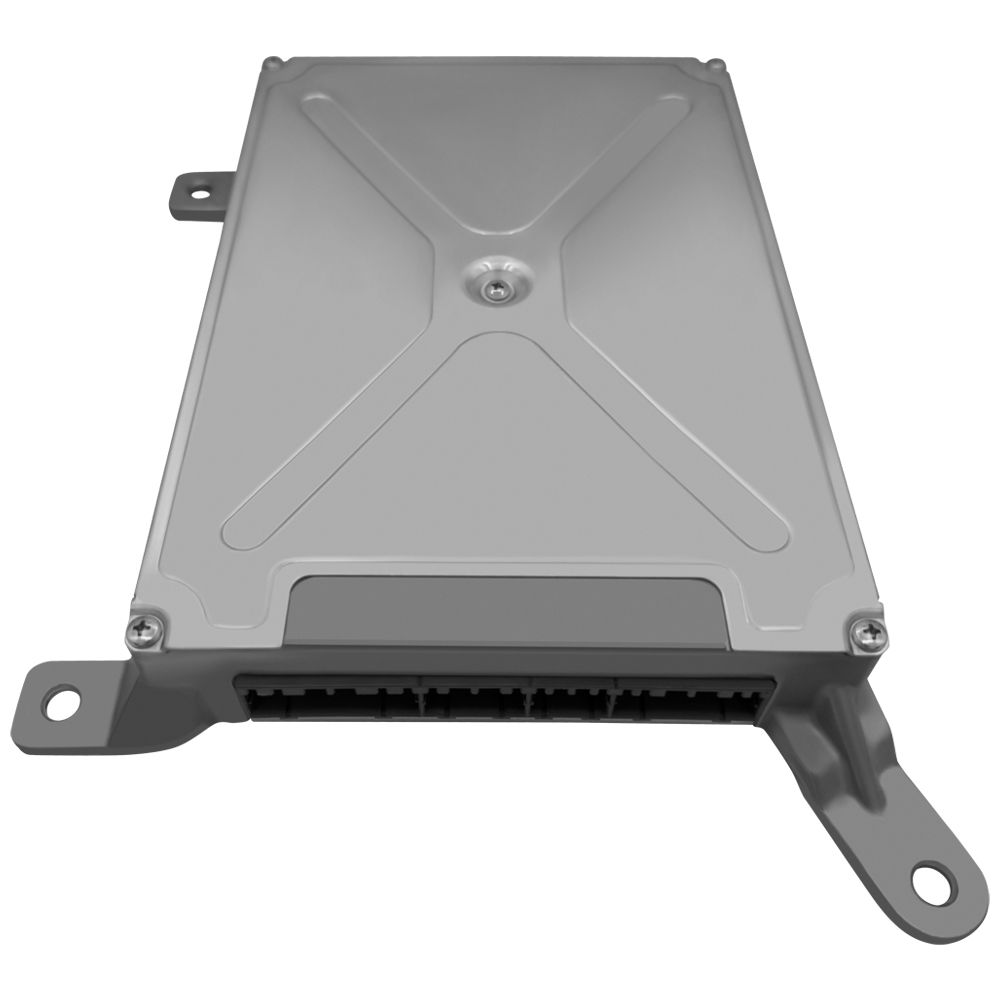
Flagship One stocks a refurbished, VIN-programmed PCM for the 1992 Acura Legend with a lifetime warranty, free shipping and no core charge. The full Acura Legend module lineup covers other engine configurations as well.
The PCM or ECM in your 1992 Acura Legend plays a vital role in engine performance and drivability. If you’re experiencing stalling, misfires, or no-start conditions, addressing the module promptly can prevent further issues. Whether you opt for a new or refurbished replacement, proper installation and calibration are key to restoring smooth operation.