
Last updated on August 25th, 2026 at 12:27 pm
The engine control module in the 1988 Toyota Van manages fuel delivery, ignition timing, and sensor input processing. Failure of this unit can lead to loss of power, stalling, or complete engine shutdown, as it can no longer regulate the engine’s operation correctly.
When a 1988 Toyota Van exhibits starting problems or irregular engine behavior, the engine control module becomes a logical focus. This component acts as the vehicle’s brain, interpreting sensor signals and directing fuel and spark. Understanding how it works, where it lives, and what to expect after a replacement can help you make an informed decision and keep your van running reliably. This guide walks you through the module’s purpose, typical failure signs, and what to anticipate when installing a new unit, so you know exactly what your repair will involve.
1988 Toyota Van
OEM programmed ECM for your 1988 Toyota Van — plug & play, no dealer visit.
Free shipping · Lifetime warranty
In the 1988 Toyota Van, the engine control module receives data from the throttle position sensor, coolant temperature sensor, and other inputs to calculate the precise fuel mixture and ignition timing needed for smooth operation. It also monitors engine speed and adjusts idle control. Because the vehicle predates OBD‑II, the module communicates using manufacturer‑specific protocols rather than standardized diagnostic codes. A healthy module ensures the engine runs efficiently and responds correctly to driver inputs, while a failing unit can cause the engine to stall, run rough, or refuse to start. The module’s role is central to overall drivability, making its reliability essential for everyday use. For owners seeking alternatives, replacement engine computers for the 1988 Toyota Van provide comparable functionality when the original unit can no longer be repaired.
The engine control module in the 1988 Toyota Van is mounted near the firewall, typically secured with bolts that require a standard socket. Access may involve removing the air intake assembly and disconnecting a few electrical connectors. Replacement generally includes labeling the connectors, removing the old unit, installing the new one, and re‑torquing the mounting bolts to the specified value. The process often takes a few hours, depending on the technician’s familiarity with the vehicle’s layout.
After installing a new engine control module in a 1988 Toyota Van, the factory procedure calls for a specific calibration routine to align sensor thresholds and fuel maps with the vehicle’s parameters. Flagship One supplies units that arrive VIN‑programmed, meaning that the necessary calibration data is already embedded, eliminating the need for on‑site programming. This simplifies the installation and reduces the chance of errors. The technician can therefore focus on mechanical fitment and connector integrity. Using a VIN‑programmed replacement unit ensures the module is ready for immediate operation.
When the engine control module begins to fail in a 1988 Toyota Van, you may notice the engine refusing to start, rough idle, or sudden stalling during acceleration. Intermittent loss of power and irregular fuel delivery are also common. In some cases, the vehicle may exhibit erratic sensor readings that lead to poor performance. If a diagnostic scan reveals a fault, it might be recorded as engine control module internal clock error, indicating an internal timing issue within the module itself. These symptoms often point directly to the module’s inability to process inputs correctly.
Yes, the module controls fuel and spark timing, so a malfunction can result in stalling during normal operation.
The replacement generally requires basic hand tools and the ability to disconnect and reconnect electrical connectors.
A VIN‑programmed unit comes with the necessary calibration data pre‑loaded, so additional programming steps are not required.
Typical signs include no‑start conditions, rough idle, unexpected stalling, and erratic sensor behavior.
Incorrect fuel mixture calculations can lead to higher fuel consumption and reduced efficiency.
When the engine control module in your 1988 Toyota Van no longer functions properly, you can choose to repair the original unit or install a refurbished replacement. Both options restore the vehicle’s electronic control capabilities, but a refurbished module from Flagship One arrives pre‑programmed for your VIN, simplifying the installation process and ensuring reliable operation.
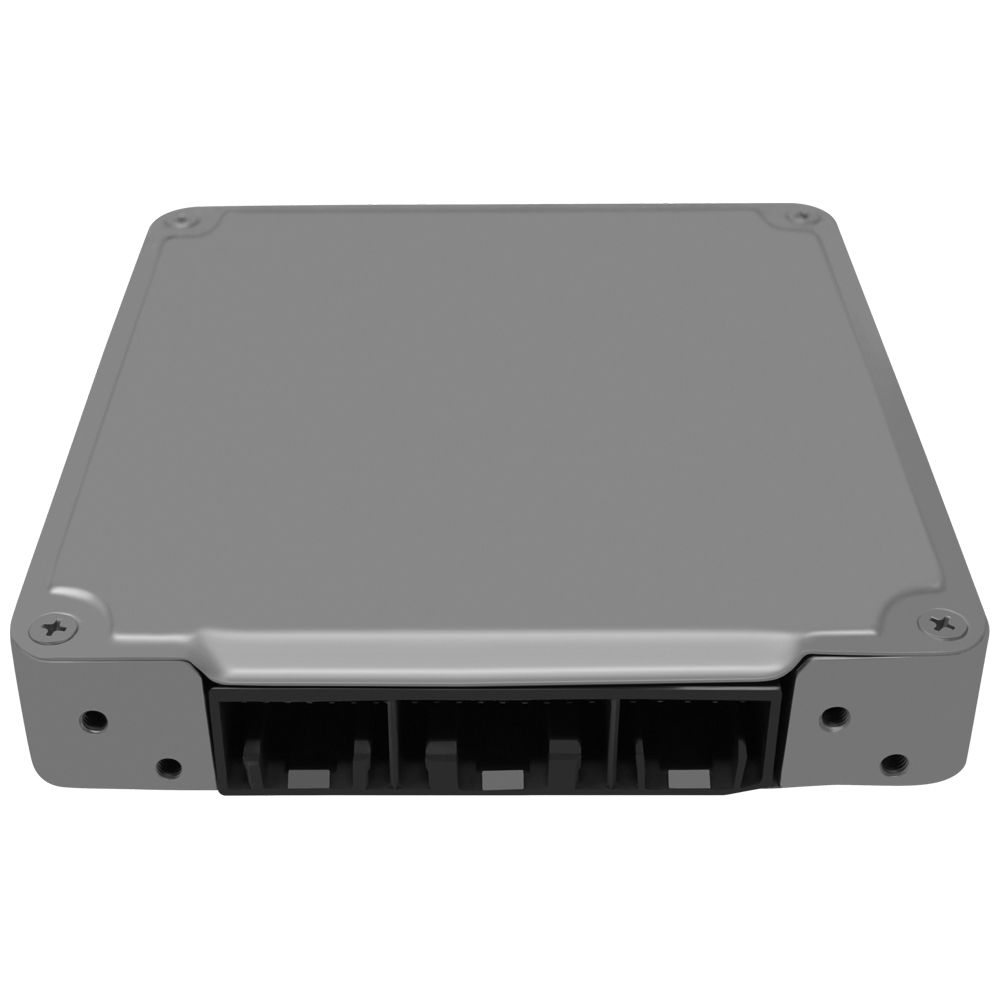
Flagship One stocks a refurbished, VIN-programmed ECM for the 1988 Toyota Van with a lifetime warranty, free shipping and no core charge. The full Toyota Van module lineup covers other engine configurations as well.
A dependable engine control module is vital for the 1988 Toyota Van’s performance. Whether you opt for repair or a pre‑programmed replacement, addressing the issue promptly helps keep your van running smoothly. Contact Flagship One for a solution tailored to this model.