1994 Toyota T100 with no-start, stalling, or erratic engine behavior may need an ECU replacement. Learn where it’s located, labor time, factory relearn steps, and why a pre-programmed unit saves time.
Post
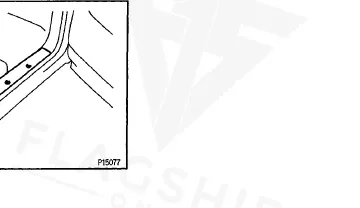

1994 Toyota T100 with no-start, stalling, or erratic engine behavior may need an ECU replacement. Learn where it’s located, labor time, factory relearn steps, and why a pre-programmed unit saves time.
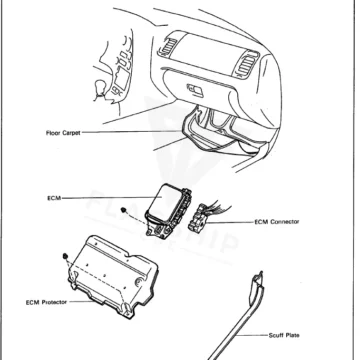
1994 Toyota Supra with stalling or no-start issues may need an ECU replacement. Learn symptoms, location, labor time, and why a VIN-programmed unit simplifies the process.
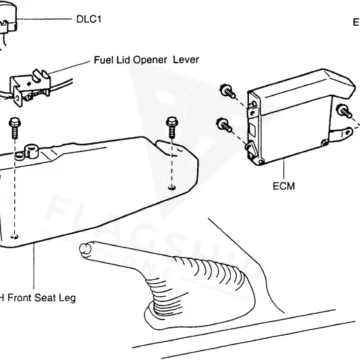
1994 Toyota Previa stalling or no-start? Learn ECM failure symptoms, location, replacement steps, and why a VIN-programmed unit simplifies the process.
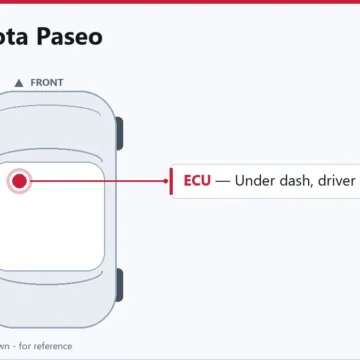
1994 Toyota Paseo stalling or failing to start? Learn how the engine computer controls fuel and ignition, where it’s located, and why a VIN-programmed replacement may resolve symptoms quickly.
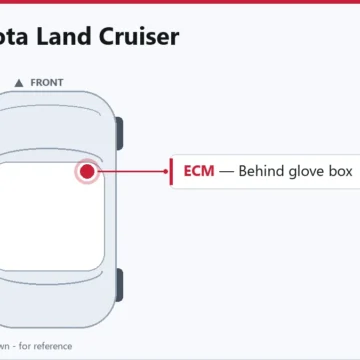
If your 1994 Toyota Land Cruiser 4.5L is struggling with engine misfires or shifting issues, learn how to replace and program the PCM/ECM safely for reliable performance.
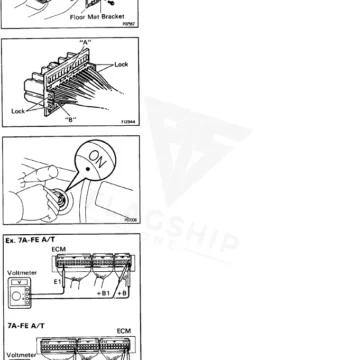
Learn about 1994 Corolla ECM replacement costs, symptoms of failure, and why VIN-programmed units save factory relearn time at installation.
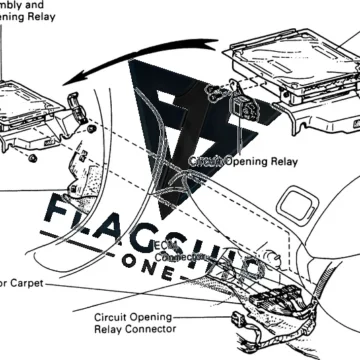
ECM failure in your 1994 Toyota Celica may cause no-starts or stalling. Factory caution: wait 90 seconds after battery disconnect before working near the module.
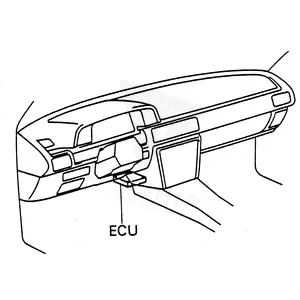
1994 Toyota Camry stalling or no-start? Learn ECM failure symptoms, location, replacement steps, and why a VIN-programmed unit saves time and hassle.
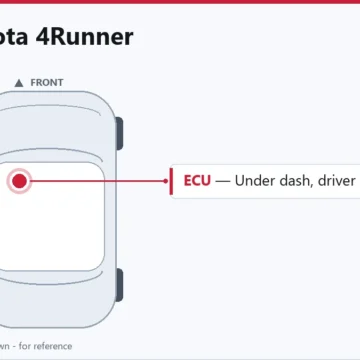
1994 Toyota 4Runner stalling or no-start? Learn ECM failure symptoms, location behind the instrument panel, and why a VIN-programmed replacement may save hours of relearn labor.
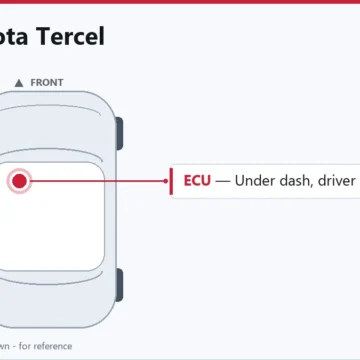
If your 1993 Toyota Tercel shows no‑start or erratic idle, a faulty ECM or PCM may be the cause. Careful relearn steps can prevent drivability issues after repair.