
Last updated on August 25th, 2026 at 11:47 am
The engine control module manages fuel and ignition timing for your 2016 Volkswagen CC. Internal failures often trigger specific diagnostic trouble codes. When this computer malfunctions, you may experience drivability concerns requiring professional assessment or replacement with a calibrated unit.
When your 2016 Volkswagen CC exhibits unexpected behavior, the engine management computer often becomes a primary suspect during diagnosis. Understanding the role of this component helps you make informed decisions about repairs versus replacement options available in the market. Many owners encounter confusion regarding labor requirements and programming needs when addressing these electronic failures. This guide clarifies the standard book times associated with physical removal and installation procedures. You will also learn about the critical data bus communications that require attention during service. Proper handling ensures your vehicle returns to reliable operation without unnecessary complications or repeated visits to the shop. We focus on factual labor data and documented internal fault codes specific to this model year. Knowing what to expect allows you to prepare for the technical steps involved in restoring engine performance. Your goal is minimizing downtime while ensuring the new component functions correctly within the existing network. Technicians rely on standardized hours to estimate the scope of work required for swapping these sensitive electronic devices. You should anticipate specific relearn procedures following physical installation to synchronize the new hardware with your engine. Ignoring these steps can lead to persistent issues even after hardware replacement. We provide clear expectations regarding the time investment needed for a complete repair cycle.
This electronic control unit serves as the brain for your 2016 Volkswagen CC powertrain system. It processes input from various sensors to regulate fuel injection and spark timing accurately. Without proper function, the engine cannot maintain optimal performance or efficiency levels during operation. You rely on this hardware to manage emissions and ensure smooth acceleration under load. Internal corruption within the memory chips often leads to complete loss of communication with diagnostic scanners. When searching for replacement engine computers you should verify compatibility with your specific model year and engine type. The unit coordinates with other modules across the vehicle network to maintain stability. Failure here affects multiple systems beyond just engine operation due to shared data pathways. Your vehicle depends on this central processor for daily drivability and long-term reliability standards. Technicians identify these units by specific part numbers located on the casing exterior. Replacement involves careful handling to avoid static damage during the transfer process. Understanding its function helps you recognize why programming is essential after installation. The processor stores adaptive learning values that adjust to your driving habits over time. These values reset when the hardware is swapped, necessitating a relearn procedure. Data flows between this module and the anti-lock braking system continuously. Any interruption in this communication loop triggers warnings on your dashboard instrument cluster. You need a fully functional unit to prevent cascading errors throughout the electrical architecture. Modern engines require precise coordination between ignition events and fuel delivery schedules. Your safety depends on the throttle response remaining predictable under all driving conditions. The computer monitors oxygen sensors to adjust the air fuel mixture constantly.
2016 Volkswagen CC
OEM programmed ECM for your 2016 Volkswagen CC — plug & play, no dealer visit.
Free shipping · Lifetime warranty
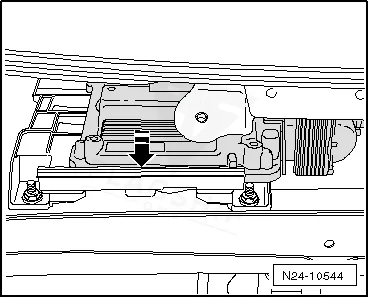
Physical access to the engine control module typically requires removing surrounding components in the engine bay. Standard labor guides allocate 0.9 hours for Powertrain Control Module removal and replacement tasks. The same duration applies specifically to Engine Control Module removal and replacement procedures for this vehicle. You should plan for additional time if corrosion or difficult fasteners are encountered during disassembly. After physical installation is complete, a separate relearn procedure requires 0.5 hours to finalize the setup. This step ensures the new hardware communicates properly with existing sensors and actuators. Technicians follow specific torque specifications when securing the unit to its mounting bracket. Proper grounding points must be cleaned to ensure reliable electrical connections throughout the system. You cannot skip the relearn phase without risking operational issues post-repair. The total time investment combines physical swap duration with electronic synchronization requirements.
| Operation | Configuration | Book Time |
|---|---|---|
| Powertrain Control Module R&R | All configurations | 0.9 hr |
| Engine Control Module R&R | All configurations | 0.9 hr |
| Engine Control Module Relearn | All configurations | 0.5 hr |
Factory procedures mandate specific electronic synchronization after installing new hardware into your 2016 Volkswagen CC. The engine control module relearn process takes 0.5 hours according to standard book times. This step configures the processor to recognize your specific vehicle identification number and options. Without this configuration, the engine may not start or run correctly. When you purchase VIN-programmed replacement unit options from Flagship One, those configuration steps are already completed. This eliminates the need for specialized diagnostic tools during the final installation phase. You save time by avoiding the complex coding procedures typically required at a dealership. The unit arrives ready to operate within your existing electrical network immediately. This approach reduces the risk of errors during the programming sequence. Your technician can focus on physical installation and verification testing instead. Proper programming ensures all security features remain intact during the swap. Skipping this phase often results in a no-start condition for your car.
Common signs of failure include sudden engine stalling while driving at highway speeds. You may experience a no-start condition where the crankshaft turns but ignition does not fire. Diagnostic scanners might fail to establish communication with the engine management system entirely. Shifting issues can occur if the transmission relies on data from this computer. Intermittent power loss often precedes complete failure of the electronic control unit. When scanning for faults, you may encounter Control Module Programming errors indicating internal memory corruption. Other codes like P0604 or P0605 suggest random access memory or read-only memory faults. Communication errors with the anti-lock braking system may also appear on your dashboard. You might notice the check engine light illuminating without obvious performance defects initially. Misfire codes can populate due to incorrect fuel or spark calculations by the faulty hardware. These symptoms often worsen over time as the internal circuitry degrades further. Addressing these signs early prevents being stranded unexpectedly on the road. Your vehicle may enter a limp mode to protect itself from damage. Electrical glitches may cause erratic idle speeds when stopped at traffic lights. You could hear the cooling fans running continuously even when the engine is cold. Fuel economy often drops significantly before the unit fails completely. Trust your instincts if the car feels different during normal operation.
Internal diagnostic trouble codes specific to this module indicate hardware malfunctions. The following list represents documented faults stored within the processor memory. These codes help technicians identify whether replacement is necessary versus repair. Reviewing these specific alphanumeric strings provides insight into the nature of the internal failure. Your mechanic will use this data to confirm the diagnosis before proceeding.
Standard labor guides allocate 0.9 hours for physical removal and replacement. An additional 0.5 hours is required for the electronic relearn procedure. Total time depends on technician experience and access conditions.
Factory procedures require a relearn process to synchronize the new hardware. Flagship One units arrive pre-programmed to eliminate this step. This saves time and reduces complexity during installation.
Internal faults like P0602 or P0604 suggest processor memory issues. Communication errors with other modules may also appear. Professional diagnosis confirms whether replacement is necessary.
Driving with a failing module risks sudden stalling or no-start conditions. It may also cause damage to other connected systems. Immediate repair is recommended for safety.
The module is typically found in the engine bay near the firewall. Access requires removing surrounding components to reach the mounting bracket. Proper tools are needed for safe removal.
Deciding between repair and replacement depends on the extent of internal damage found during testing. Refurbished options offer a cost-effective solution compared to brand new dealership parts for your 2016 Volkswagen CC. You avoid the high markup while still receiving a fully functional component ready for installation. Consider the labor investment when choosing your path forward for restoring engine performance. A reliable unit ensures long-term stability without recurring electronic glitches affecting your daily commute.
Flagship One stocks a refurbished, VIN-programmed PCM for the 2016 Volkswagen CC with a lifetime warranty, free shipping and no core charge. The full Volkswagen CC module lineup covers other engine configurations as well.
Replacing the engine control module restores reliable operation to your 2016 Volkswagen CC when internal faults occur. Proper installation and programming ensure the new hardware integrates seamlessly with your existing systems. You can return to normal driving conditions once the relearn procedure is finished successfully. Trust professional guidance to navigate the technical requirements of this specific repair job.