
Last updated on August 25th, 2026 at 11:53 am
The engine control module manages fuel and ignition timing within your 1992 Volkswagen Passat. Internal faults indicate the processor cannot verify its own memory integrity. This condition often prevents normal operation and requires specific diagnostic attention to resolve performance losses.
When your 1992 Volkswagen Passat exhibits sudden operational changes, the engine control module often warrants investigation. These computers manage critical functions like fuel delivery and spark timing throughout every driving cycle. Internal diagnostic trouble codes suggest the processor itself may be experiencing verification errors regarding its stored data. You might notice the vehicle refusing to start or running poorly without external sensor faults present. Understanding these specific internal failures helps you decide whether repair or replacement suits your situation best. Technicians often find that memory integrity issues cannot be corrected through standard resetting procedures. This guide explains what these codes mean for your specific model year and engine combination. You will learn how internal faults differ from standard sensor failures in this generation of German engineering. Proper identification ensures you address the root cause rather than swapping functional components unnecessarily. Knowledge of these system limitations protects your investment in maintaining an older vehicle. Electrical stability plays a major role in preventing these computer malfunctions from recurring over time. Voltage spikes from charging systems frequently contribute to internal memory corruption within the processing unit. Recognizing the signs early allows you to prevent complete system shutdowns while driving on busy roads.
1992 Volkswagen Passat
OEM programmed ECM for your 1992 Volkswagen Passat — plug & play, no dealer visit.
Free shipping · Lifetime warranty
The powertrain control module serves as the central brain for your 1992 Volkswagen Passat engine management system. It processes inputs from various sensors to calculate optimal ignition timing and fuel mixture ratios continuously. Internal memory checks occur constantly to ensure the processor retains correct calibration data for operation. When these self-checks fail, the computer may disable fuel injectors or ignition coils to prevent damage. This protective mode often results in a no-start condition or limited limp home functionality for your safety. Owners seeking 1992 Passat engine computers should understand that internal faults differ from external wiring issues. The processor contains read-only memory that stores the factory programming required for emissions compliance. Corruption within this storage area prevents the module from executing basic commands needed for running. Voltage irregularities from the alternator or battery can damage these sensitive memory circuits over many years. Replacement becomes necessary when the internal integrity checks consistently return failure status during diagnostic scans. Your vehicle relies on this unit for all primary engine functions without any mechanical backup system available. Diagnostic tools communicate directly with this chip to retrieve stored fault information regarding internal health. If the processor cannot verify its own checksum values, it will set specific internal failure codes. These codes indicate the hardware itself is compromised rather than a peripheral sensor sending bad data. Repairing the internal circuitry often requires specialized equipment not found in typical repair shop environments.
Accessing the engine control module in vehicles from this era typically requires removing interior trim panels or engine bay covers. The unit is usually mounted in a location protected from direct water exposure and excessive heat sources. You will need to disconnect the battery before removing electrical connectors to prevent short circuits during the procedure. Careful handling of the wiring harness ensures pins remain intact and secure for future connectivity. Replacement involves unbolting the old unit and securing the new module in the same mounting position. Technicians often inspect the connector seals for cracks that could allow moisture intrusion later. Proper torque specifications should be followed if mounting bolts are provided with the replacement component. Reconnecting the battery last ensures all systems initialize correctly without voltage spikes damaging the new hardware. Verification of all electrical connections prevents intermittent issues that might mimic internal computer failures. Your 1992 Volkswagen Passat requires careful attention to grounding points during any electrical component service work.
Factory procedures often require specific initialization steps after installing a new control module in your vehicle. These steps ensure the computer recognizes the vehicle identification number and matches existing security parameters. Skipping this process may result in the engine cranking but failing to start properly. Flagship One units arrive as a VIN-programmed replacement unit so those steps are already done before shipping. This eliminates the need for specialized diagnostic tools at the installation site. You can install the module and expect immediate communication with the engine management system. Proper programming ensures emissions monitors reset correctly for state inspection requirements. The internal memory contains the specific calibration maps needed for your 2.0L engine configuration. Without this data, the vehicle may run poorly or trigger additional diagnostic trouble codes. Pre-configured modules reduce the risk of errors during the final setup phase of your repair.
Common failure symptoms of this module type include sudden engine stalling while driving at highway speeds. You may experience a no-start condition where the crankshaft turns but ignition never occurs. Scan tools might lose communication with the engine computer intermittently during diagnostic sessions. Shifting issues can arise if the transmission relies on data from this control unit. Internal faults often trigger P0604 internal memory fault messages that point directly to the processor. Your 1992 Volkswagen Passat may exhibit rough idling or hesitation during acceleration under load. Fuel economy typically decreases as the system defaults to conservative safety maps. Warning lights on the dashboard may illuminate without any obvious mechanical cause present. In some cases, the vehicle enters a limp mode that limits engine power significantly. These symptoms suggest the computer cannot process sensor data reliably for normal operation. Addressing these signs promptly prevents being stranded due to complete system shutdown. Erratic behavior from gauges on the instrument cluster often accompanies these internal processing errors. The engine may cut out unexpectedly when coming to a stop at traffic lights.
The following list represents module-internal trouble codes documented for this specific vehicle configuration. These codes indicate failures within the computer hardware rather than external sensors. Diagnostic scans will reveal these numbers when the processor detects integrity losses.
| Code | Meaning | Full Guide |
|---|---|---|
| P0604 | Internal RAM error | Full P0604 guide → |
| P0605 | Internal ROM error | Full P0605 guide → |
| P0606 | Module processor failure | Full P0606 guide → |
The vehicle may start but often runs poorly or enters limp mode. Internal faults usually prevent normal engine management functions from operating correctly.
These faults typically return because they indicate hardware damage rather than temporary glitches. Power cycling does not repair corrupted memory sectors within the processor.
Factory procedures usually demand configuration to match the vehicle identification number. Pre-programmed units eliminate this step for easier installation at home.
Age-related component wear and voltage irregularities from the charging system are common factors. Moisture intrusion into the computer casing can also damage circuits.
Driving is not recommended as the engine may stall without warning. Safety risks increase when the control module cannot verify its own operation.
Repairing the original unit involves specialized microsoldering that may not guarantee long-term reliability. Refurbished replacement options provide a tested alternative with known internal integrity for your engine. Choosing a pre-configured module simplifies the process by removing programming hurdles. You gain peace of mind knowing the computer matches your 1992 Volkswagen Passat specifications. This approach often saves time compared to troubleshooting individual circuits within the old hardware.
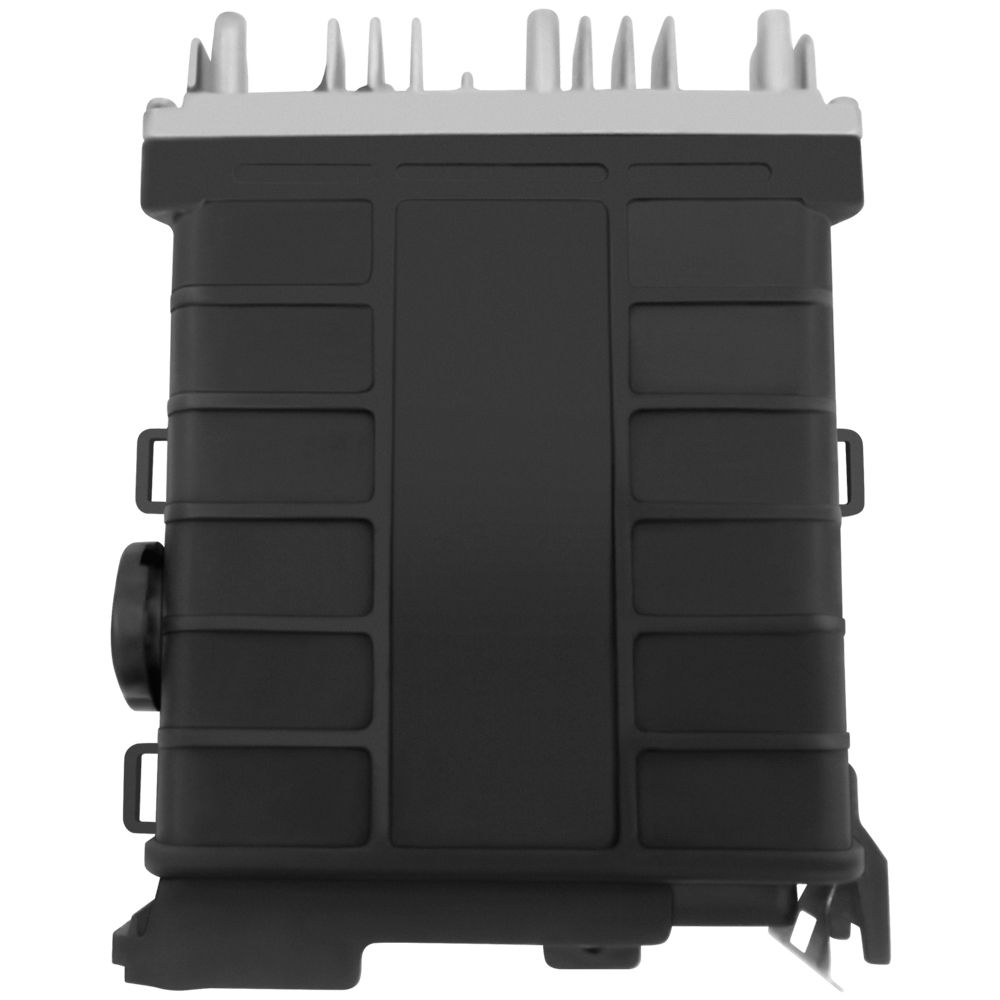
Flagship One stocks a refurbished, VIN-programmed ECM for the 1992 Volkswagen Passat with a lifetime warranty, free shipping and no core charge. The full Volkswagen Passat module lineup covers other engine configurations as well.
Internal computer faults require decisive action to restore reliable performance in your 1992 Volkswagen Passat. Understanding the nature of these codes helps you avoid unnecessary parts replacement. A properly configured module ensures your engine runs smoothly for many more miles. Consider your options carefully to maintain the longevity of this classic vehicle.