
Last updated on August 25th, 2026 at 11:58 am
The engine control module manages fuel delivery and ignition timing for your 2013 Toyota Tacoma PreRunner. Internal processor failures may trigger diagnostic trouble codes. When this computer malfunctions, you could experience drivability issues or no-start conditions requiring professional diagnosis and potential unit replacement.
When your 2013 Toyota Tacoma PreRunner exhibits persistent engine management issues, the central computer may be the cause. Understanding the replacement process helps you prepare for the repair correctly. This guide outlines the specific labor times and factory procedures necessary for a successful swap. You will learn about the access steps required to reach the unit and the critical initialization sequences needed afterward. Proper handling ensures your Tacoma returns to normal operation without lingering transmission or throttle concerns. Reading this information prepares you for the technical requirements involved in swapping these sensitive electronic components. Technicians must follow specific protocols to avoid communication errors between the new module and existing vehicle systems. Additionally, knowing the book times helps you estimate the total service duration accurately. Accurate estimation prevents surprises when reviewing the final invoice from the shop.
This electronic component controls fuel injection and spark timing within the 2.7L engine bay. It monitors various sensors to optimize performance and emissions compliance for your Tacoma. If the processor fails, the engine may run poorly or refuse to start entirely. Technicians often recommend sourcing replacement engine computers for the Tacoma to restore proper function when diagnostics point to internal faults. The unit also manages communication with the transmission control system to ensure smooth shifting. Without a functioning module, the vehicle cannot coordinate essential operations required for driving. Replacement becomes necessary when internal circuitry sustains damage or corruption over time. You should verify compatibility before purchasing any unit to ensure it matches your specific configuration. Proper installation allows the engine to manage air and fuel ratios correctly again.
2013 Toyota Tacoma PreRunner
OEM programmed ECM for your 2013 Toyota Tacoma PreRunner — plug & play, no dealer visit.
Free shipping · Lifetime warranty
To access the unit, you must disconnect the cable attached to the negative battery post. This step ensures safety before handling the electronic components. The published labor time for removing and replacing the Powertrain Control Module is 0.7 hours. Some guides list the Engine Control Module R&R at 0.5 hours depending on the specific service definition used. Relearning procedures for the Powertrain Control Module typically require 0.5 hours of additional labor time. Similarly, the Engine Control Module Relearn process is allocated 0.5 hours in standard charts. A reset procedure for the Engine Control Module may take 0.3 hours to complete fully. Technicians should follow the access path strictly to avoid damaging surrounding wiring or connectors during removal.
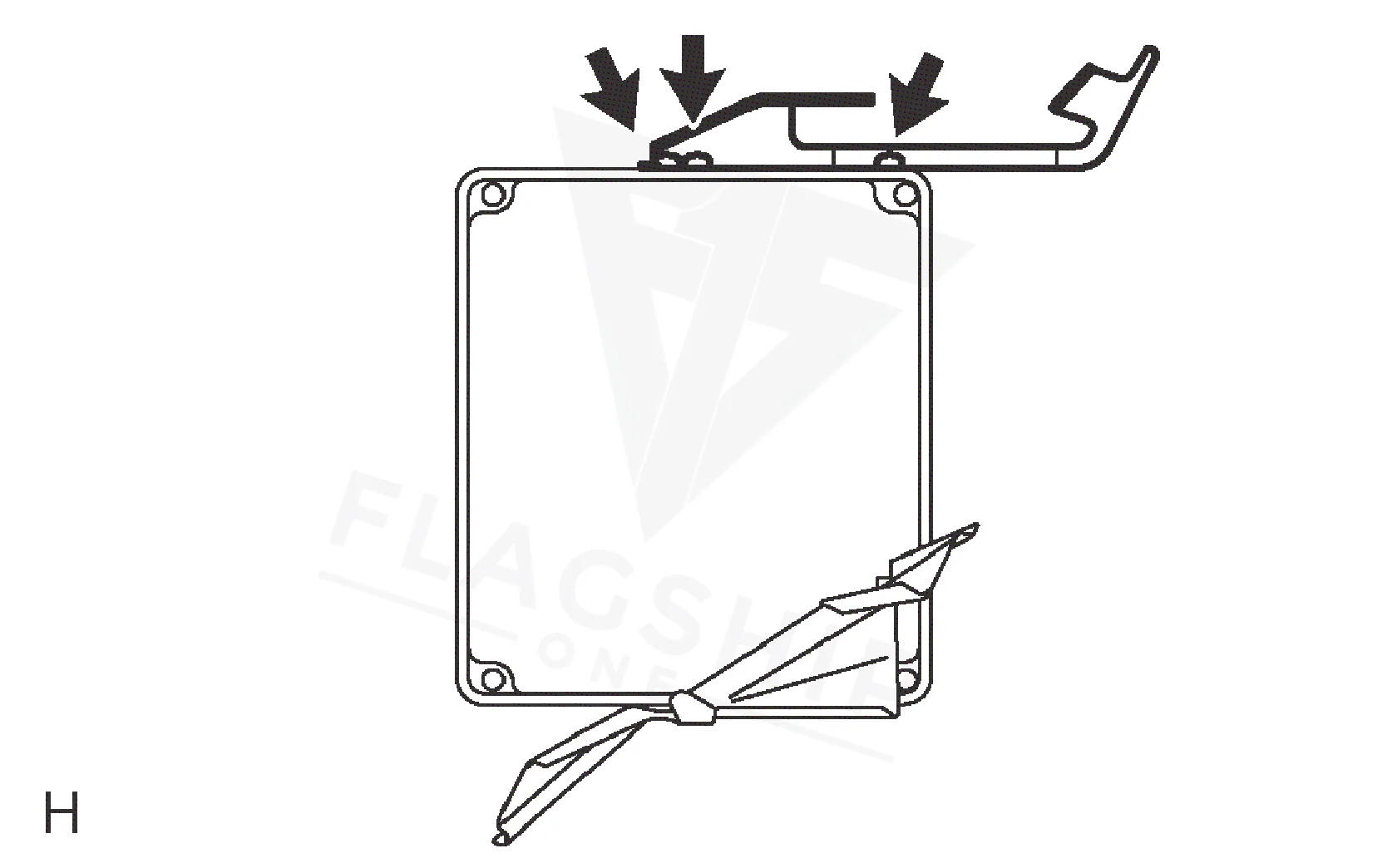
Work with the ignition off, and treat the module as static-sensitive: avoid touching the connector pins at any point.
| Operation | Configuration | Book Time |
|---|---|---|
| Powertrain Control Module R&R | All configurations | 0.7 hr |
| Powertrain Control Module Relearn | All configurations | 0.5 hr |
| Engine Control Module Relearn | All configurations | 0.5 hr |
| Engine Control Module R&R | All configurations | 0.5 hr |
| Engine Control Module Reset | All configurations | 0.3 hr |
Factory instructions state you must complete VIN registration upon ECM installation to ensure proper identity. Throttle body initialization is also required after the swap to calibrate air intake settings. Additionally, reset memory procedures for automatic transmission initialization are necessary when the engine assembly or ECM is changed. These steps prevent shifting issues and ensure the computer recognizes the vehicle identity. Flagship One supplies a VIN-programmed replacement unit so those steps are already done before shipping. This eliminates the need for you to perform the registration process manually at the shop. The throttle initialization may still be required depending on the specific condition of the hardware installed. Proper programming ensures the module communicates correctly with other systems immediately upon installation. You save time by avoiding the complex registration equipment typically needed for these procedures.
Drivers may notice the engine stalling unexpectedly or failing to crank during startup attempts. Communication errors with diagnostic scan tools often indicate internal processor damage within the computer. You might experience rough idling or sudden loss of power while driving the 2013 Toyota Tacoma PreRunner. Shifting irregularities can occur if the module cannot send correct signals to the transmission. A specific internal fault code like indicating P0606 processor failure may appear when the control unit detects self-check errors. These symptoms suggest the electronic brain is struggling to manage essential engine functions properly. Intermittent no-start conditions are also common when voltage supply to the module becomes unstable. Addressing these signs early prevents further damage to connected sensors and actuators in the system. Professional diagnosis helps confirm whether the unit requires replacement or simple reprogramming to resolve the issues.
Internal diagnostic monitoring may log specific fault numbers when the processor detects inconsistencies. The following list represents documented module-internal trouble codes associated with this model. These codes indicate internal malfunctions rather than external sensor failures within the engine bay. Technicians use these identifiers to determine if the computer itself requires replacement.
| Code | Meaning | Full Guide |
|---|---|---|
| P0606 | Module processor failure | Full P0606 guide → |
Yes, factory procedures mandate VIN registration upon ECM installation. This step ensures the new module identifies correctly with the vehicle systems. Skipping this process may result in communication errors or improper operation.
Standard guides list 0.7 hours for Powertrain Control Module removal and replacement. Additional time is allocated for relearn procedures separately. Technicians should consult specific shop labor charts for accurate billing estimates.
Driving with a faulty module is not recommended due to potential stalling risks. The engine may enter limp mode or fail to start entirely. Immediate diagnosis helps prevent being stranded or causing further damage.
You may choose to repair your existing unit or install a refurbished replacement. Both options aim to restore engine management functions for the 2013 Toyota Tacoma PreRunner. Refurbished units often come with programming already applied to simplify the installation process. Repairing the original computer requires verifying internal circuitry integrity before reinstallation. Consider the labor costs associated with relearn procedures when deciding between these service paths.
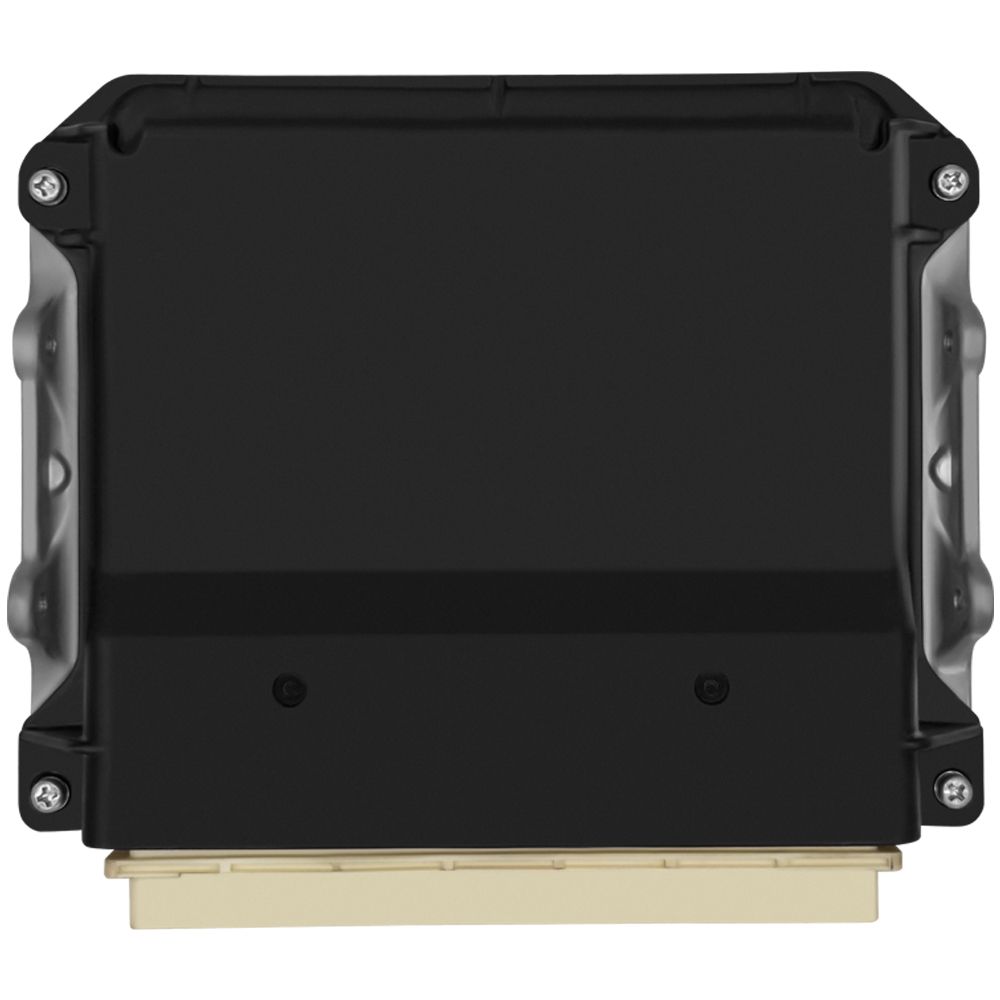
Flagship One stocks a refurbished, VIN-programmed PCM for the 2013 Toyota Tacoma PreRunner with a lifetime warranty, free shipping and no core charge. The full Toyota Tacoma PreRunner module lineup covers other engine configurations as well.
Proper handling of the engine computer ensures reliable performance for your 2013 Toyota Tacoma PreRunner. Following factory initialization steps prevents transmission and throttle issues after installation. You now understand the labor times and access requirements for this repair. Contact a qualified technician to assist with the replacement and programming tasks. This approach helps maintain the longevity and safety of your truck moving forward.