
Last updated on August 25th, 2026 at 11:58 am
The Powertrain Control Module and Engine Control Module are the central computers managing your 2013 Toyota Prius engine operations, hybrid system coordination, and emissions controls. When these modules fail, your vehicle may experience starting problems, drivability issues, or enter limp-home mode.
If your 2013 Toyota Prius is displaying warning lights, experiencing starting issues, or has stored trouble codes, the Powertrain Control Module or Engine Control Module may be the culprit. These critical computers manage engine timing, fuel delivery, emissions systems, and hybrid coordination in your vehicle. This guide explains what these modules do, common failure symptoms, and what to expect during replacement. Understanding the repair process helps you make informed decisions about service options and know what programming steps are required after installation.
The Powertrain Control Module in your 2013 Toyota Prius serves as the primary engine computer, managing fuel injection, ignition timing, emissions controls, and hybrid system communication. The Engine Control Module handles additional engine-specific functions including sensor inputs and output signals to actuators. Together, these modules process data from dozens of sensors throughout the powertrain to optimize performance, fuel economy, and emissions. When either module experiences internal failure, the vehicle may run poorly or not start at all. Replacement requires replacement engine computers for the Prius that are pre-programmed with your specific vehicle identification number to ensure proper hybrid system integration and prevent immobilizer conflicts.
2013 Toyota Prius
OEM programmed replacements — plug & play, no dealer visit.
Find yours by year, make & model →
Free shipping · Lifetime warranty
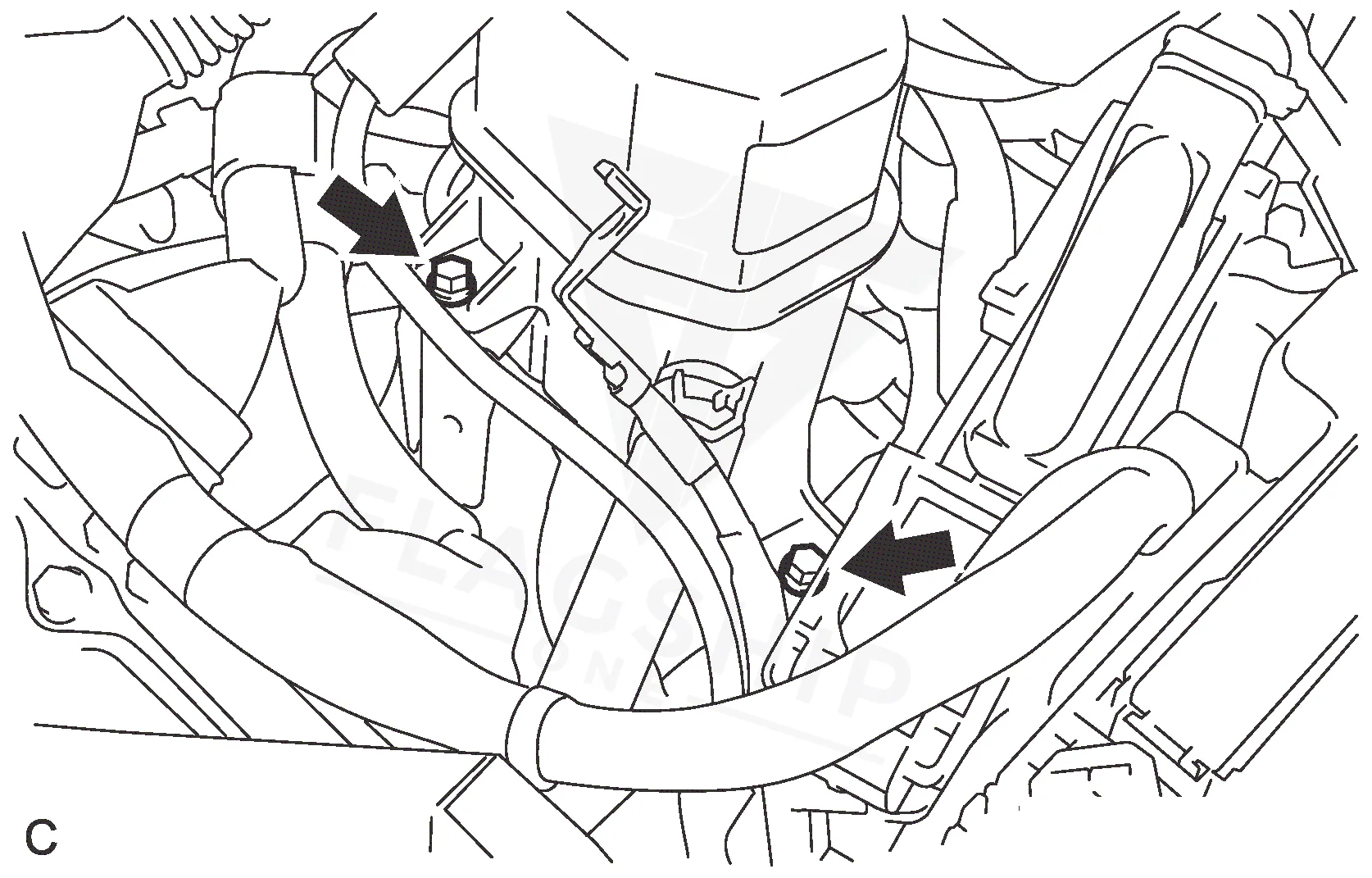
Work with the ignition off, and treat the module as static-sensitive: avoid touching the connector pins at any point.
| Operation | Configuration | Book Time |
|---|---|---|
| Powertrain Control Module R&R | All configurations | 0.7 hr |
| Powertrain Control Module Relearn | All configurations | 0.5 hr |
| Engine Control Module Relearn | All configurations | 0.5 hr |
| Engine Control Module R&R | All configurations | 0.7 hr |
| Engine Control Module Reset | All configurations | 0.3 hr |
After replacing the PCM or ECM on your 2013 Toyota Prius, the factory procedure requires a relearn process to allow the new module to adapt to your vehicle’s specific engine characteristics, sensor calibrations, and hybrid system parameters. This involves connecting diagnostic equipment to initiate the learning procedure and verify all systems function properly. The Engine Control Module Reset step also ensures proper communication between modules. Flagship One units arrive a VIN-programmed replacement unit that is pre-configured with your specific VIN, which means many of these programming steps are already completed before the module arrives. This can significantly reduce dealer programming costs and downtime.
When the PCM or ECM fails on your 2013 Toyota Prius, several symptoms commonly appear. The vehicle may refuse to start or crank without firing, leaving you stranded. Engine stalling and rough idle often occur as the module loses ability to manage fuel and ignition properly. Misfire codes may populate across multiple cylinders, triggering check engine lights. In some cases, the scan tool cannot communicate with the module at all, indicating a complete internal failure. Transmission shifting may become erratic or the vehicle may default to limp mode. The processor checksum failure indicates the module’s internal self-diagnosis detected corrupted memory, which often manifests as no-start conditions or intermittent stalling.
The 2013 Toyota Prius has documented module-internal trouble codes that indicate specific types of internal failures within the PCM or ECM. These codes differ from typical powertrain codes as they point to hardware or firmware issues within the control module itself rather than sensor or wiring problems.
| Code | Meaning | Full Guide |
|---|---|---|
| P0606 | Module processor failure | Full P0606 guide → |
Salvage yard modules typically require VIN programming by a dealer, which can cost hundreds of dollars. Additionally, you cannot verify the module’s internal condition, and it may have pre-existing faults like the P0606 code documented for your vehicle.
Driving with a compromised module risks being stranded if it fails completely. The vehicle may enter limp-home mode, experience sudden stalling, or fail to start. Emissions systems may also be affected, potentially causing your vehicle to fail smog tests.
Diagnostic trouble codes pointing to module internal failures, combined with symptoms like no-start or communication issues, indicate replacement is needed. A qualified technician can perform specific tests to isolate whether the PCM, ECM, or related wiring is at fault.
When your 2013 Toyota Prius requires a control module replacement, you have repair versus refurbished options. A refurbished unit may save money upfront but could have unknown internal condition. New replacement modules from Flagship One arrive VIN-programmed to your vehicle, reducing programming complexity. Consider your budget, warranty needs, and how long you plan to keep the vehicle when making your choice.
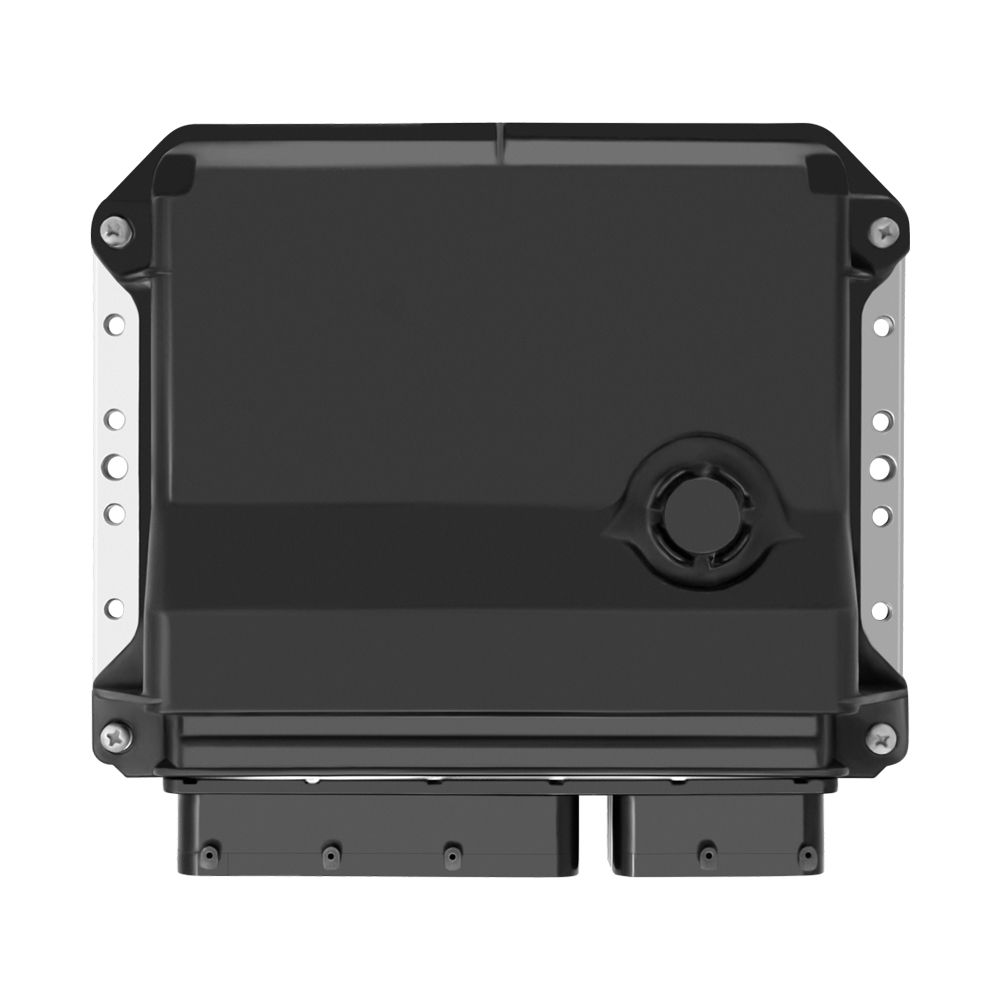
Flagship One stocks a refurbished, VIN-programmed PCM for the 2013 Toyota Prius with a lifetime warranty, free shipping and no core charge. The full Toyota Prius module lineup covers other engine configurations as well.
The Powertrain Control Module and Engine Control Module are essential computers in your 2013 Toyota Prius, managing critical engine and hybrid functions. When these modules fail, prompt replacement restores proper operation. Choosing a VIN-programmed replacement unit from Flagship One eliminates much of the dealer programming burden and gets you back on the road faster.