
Last updated on August 25th, 2026 at 12:00 pm
The powertrain control module (PCM) in the 2010 Toyota Prius manages engine and hybrid system operations. Failures may cause drivability issues, including stalling, poor acceleration, or communication errors with diagnostic tools.
If your 2010 Toyota Prius has been stalling, failing to start, or throwing unusual trouble codes, the powertrain control module (PCM) may be at fault. This critical component oversees engine performance and hybrid system coordination. Understanding its role, common failure symptoms, and replacement steps can help you make informed decisions. Replacing the PCM involves more than just swapping parts—it requires proper installation and programming to ensure your vehicle runs smoothly. Knowing what to expect can save time and avoid unnecessary complications during repairs.
The powertrain control module in your 2010 Toyota Prius acts as the brain for both the engine and hybrid systems. It processes data from sensors to optimize fuel efficiency, throttle response, and emissions control. A malfunctioning PCM may disrupt these functions, leading to poor drivability or even a no-start condition. When replacement becomes necessary, you’ll need replacement powertrain control modules for the Prius to restore proper operation. The module’s integration with the hybrid system makes it especially important for maintaining the vehicle’s unique performance characteristics.
Engine computer (ECM/PCM)
OEM programmed replacements — plug & play, no dealer visit.
Find yours by year, make & model →
Free shipping · Lifetime warranty
The PCM in the 2010 Toyota Prius is located behind the glove box, mounted to the vehicle’s firewall. Accessing it requires removing the glove box assembly and disconnecting wiring harnesses. According to labor guides, removing and replacing the module typically takes 0.7 hours. After installation, the module must be secured properly to avoid vibration damage. No additional torque specifications are provided for this procedure, but ensuring all connectors are fully seated is critical for reliable operation.
| Operation | Configuration | Book Time |
|---|---|---|
| Powertrain Control Module R&R | All configurations | 0.7 hr |
| Powertrain Control Module Relearn | All configurations | 0.5 hr |
| Engine Control Module Relearn | All configurations | 0.5 hr |
| Engine Control Module R&R | All configurations | 0.7 hr |
| Engine Control Module Reset | All configurations | 0.3 hr |
After installing a new PCM in your 2010 Toyota Prius, the factory procedure requires a relearn process, which typically takes 0.5 hours. This step ensures the module communicates correctly with the vehicle’s systems. However, a VIN-programmed replacement unit arrives ready to install, eliminating the need for this additional step. This can reduce labor time and help your vehicle return to normal operation more quickly.
A failing PCM in the 2010 Toyota Prius may cause a range of symptoms, including intermittent stalling, rough idling, or a complete no-start condition. You might also notice poor acceleration or erratic shifting if the module’s communication with the transmission is disrupted. Diagnostic trouble codes, such as an internal processor fault, often appear when the PCM is malfunctioning. In some cases, the vehicle may enter a limp-home mode, limiting power to prevent further damage.
The 2010 Toyota Prius may log specific trouble codes when the PCM experiences internal faults. These codes help identify the source of drivability issues and guide repairs.
| Code | Meaning | Full Guide |
|---|---|---|
| P0606 | Module processor failure | Full P0606 guide → |
Toyota issued a service bulletin (#T-SB-0064-10) covering ECU flash reprogramming procedures for applicable models, including the 2010 Prius. This bulletin outlines steps for updating the module’s software using the Techstream diagnostic tool. While not directly related to hardware failure, following these procedures may resolve certain drivability issues without requiring a full module replacement.
| Bulletin | Subject | What It Addresses |
|---|---|---|
| T-SB-0064-10 | 01-11 Applicable Toyota Models: Techstream ECU Flash Reprogramming Procedure | — |
Common signs include stalling, no-start conditions, or trouble codes like P0606. A diagnostic scan can confirm if the PCM is the root cause. If the module fails to communicate with a scan tool, replacement may be necessary.
Driving with a faulty PCM may lead to poor performance, stalling, or even a no-start situation. In some cases, the vehicle may enter limp mode, limiting power. It’s best to address PCM issues promptly to avoid further complications.
A reset clears temporary data and may take 0.3 hours, while a relearn reprograms the module to communicate with the vehicle’s systems, typically requiring 0.5 hours. A relearn is necessary after replacing the PCM to ensure proper operation.
If your 2010 Toyota Prius is experiencing PCM-related issues, you have options. A repair may address minor faults, but a replacement is often the most reliable solution. Choosing a pre-programmed unit can save time and labor costs, allowing your vehicle to return to normal operation without additional programming steps.
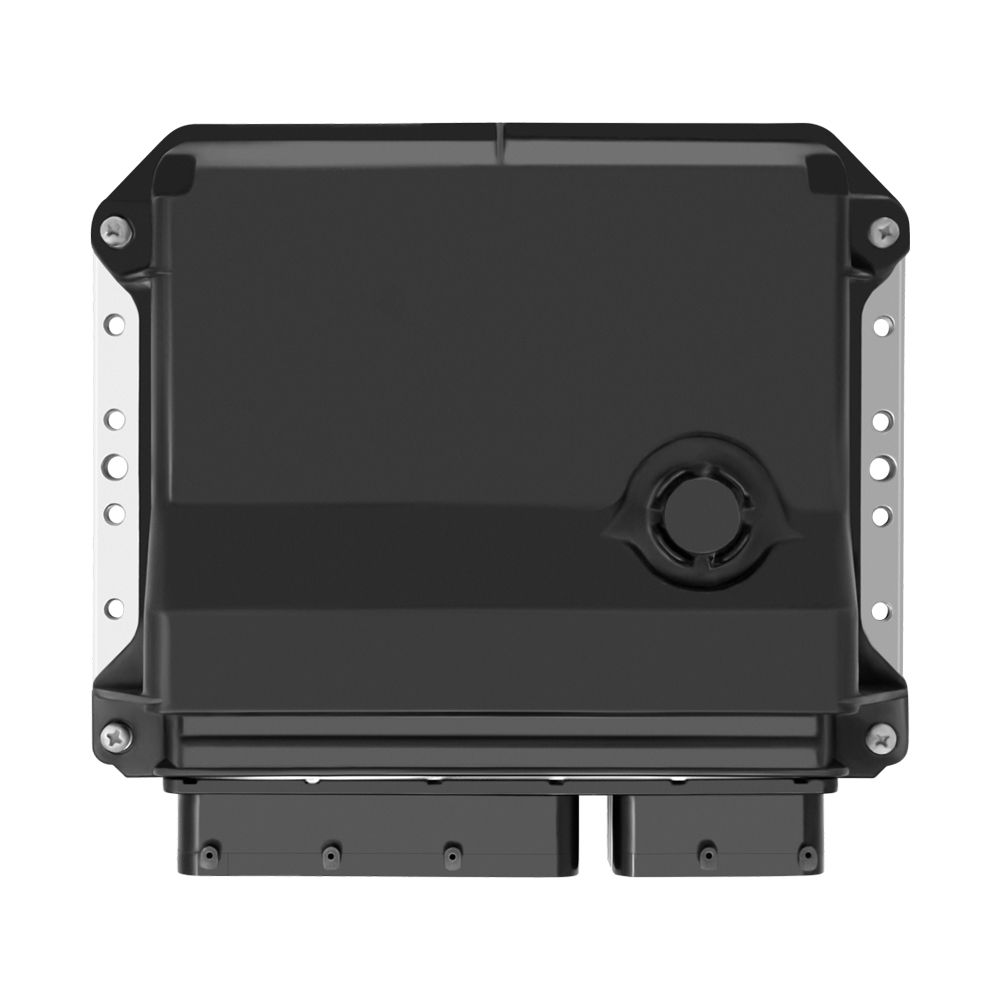
Flagship One stocks a refurbished, VIN-programmed PCM for the 2010 Toyota Prius with a lifetime warranty, free shipping and no core charge. The full Toyota Prius module lineup covers other engine configurations as well.
The powertrain control module plays a vital role in your 2010 Toyota Prius, managing both engine and hybrid functions. If you’re facing drivability issues or trouble codes, understanding the replacement process can help you make informed decisions. Whether you opt for a repair or a pre-programmed replacement, addressing PCM problems promptly ensures your Prius remains reliable.