
Last updated on August 25th, 2026 at 12:00 pm
The engine control module in your 2009 Toyota Tacoma manages critical fuel delivery, ignition timing, and transmission shifting functions. When this computer malfunctions, it often causes erratic shifting, stalling, or a complete no-start condition, requiring replacement to restore proper vehicle operation.
When your 2009 Toyota Tacoma begins to exhibit drivability issues or refuses to start, the engine control module often emerges as a primary suspect. This crucial computer acts as the brain of your vehicle, dictating how the engine and transmission interact. Understanding what this component does, how it fails, and what replacing it entails can save you time and frustration. You might be dealing with harsh shifts, a check engine light, or a vehicle that simply leaves you stranded. Navigating the complexities of module replacement involves more than just swapping parts; you must consider programming, relearn procedures, and potential calibration updates. By exploring the function of this module, common symptoms of failure, and the specific bulletins associated with your truck, you gain the knowledge needed to make informed repair decisions. Whether you are a dedicated DIY mechanic or prefer relying on a professional technician, having a solid grasp of how the 2009 Toyota Tacoma engine control module operates ensures you approach the repair process with confidence and clarity, avoiding unnecessary parts swapping and getting your truck back on the road efficiently.
The engine control module in your 2009 Toyota Tacoma serves as the central processing unit for the entire powertrain. It continuously monitors an array of sensors distributed throughout the engine and transmission, using that real-time data to calculate precise fuel injector pulse widths, ignition timing, and emissions controls. In the 2.7L PreRunner configuration, this module also directly governs the automatic transmission shifting strategies, ensuring smooth and predictable gear changes under varying load conditions. Without this computer functioning correctly, your truck cannot regulate the complex interplay between mechanical components, leading to significant drivability problems. The module constantly adjusts operational parameters to balance performance, fuel economy, and emissions compliance. When internal circuitry degrades or the software becomes corrupted, the vehicle may experience a cascade of electronic failures. Because this computer integrates so many vital functions, a malfunction often mimics other mechanical issues, making accurate diagnosis essential. When failure occurs, owners often seek out Toyota Tacoma ECMs to restore full functionality to their vehicles. Replacing the unit addresses the root cause of the electronic mismanagement, returning the engine and transmission coordination back to factory specifications. Understanding the pivotal role this module plays helps clarify why its failure impacts so many different vehicle systems simultaneously, and why obtaining the correct replacement is vital for the overall health of your 2009 Toyota Tacoma.
2009 Toyota Tacoma PreRunner
OEM programmed ECM for your 2009 Toyota Tacoma PreRunner — plug & play, no dealer visit.
Free shipping · Lifetime warranty
Accessing and replacing the engine control module on your 2009 Toyota Tacoma involves specific labor times depending on the exact procedure performed. According to standard book times, removing and reinstalling the powertrain control module requires 0.7 hours, while the engine control module removal and installation takes 0.5 hours. This indicates the unit is generally accessible without extensive disassembly. Once the new unit is physically mounted, additional time is necessary for the computer to adapt to your vehicle. A powertrain control module relearn procedure adds 0.5 hours to the process, and an engine control module relearn also requires 0.5 hours. Furthermore, an engine control module reset accounts for 0.3 hours of labor. These specific time allocations reflect the diagnostic and adaptive steps required to synchronize the new hardware with the rest of the truck. Technicians must follow these procedures to ensure the replacement communicates correctly with the various sensors and actuators throughout the vehicle.
| Operation | Configuration | Book Time |
|---|---|---|
| Powertrain Control Module R&R | All configurations | 0.7 hr |
| Powertrain Control Module Relearn | All configurations | 0.5 hr |
| Engine Control Module Relearn | All configurations | 0.5 hr |
| Engine Control Module R&R | All configurations | 0.5 hr |
| Engine Control Module Reset | All configurations | 0.3 hr |
After physically installing a new engine control module in your 2009 Toyota Tacoma, the factory procedure dictates several mandatory programming steps. The vehicle requires an engine control module reset, which takes 0.3 hours, followed by an engine control module relearn procedure that adds 0.5 hours of labor time. Additionally, a powertrain control module relearn is often necessary, requiring another 0.5 hours to ensure the transmission and engine synchronize properly. These procedures typically demand specialized diagnostic equipment, such as the Techstream interface outlined in factory service bulletins, to flash the calibration and perform the relearn sequences. Without completing these steps, your truck may exhibit poor shifting or idling characteristics. However, choosing a pre-programmed replacement unit eliminates the need for these extensive post-installation programming steps. Flagship One units arrive already programmed to your specific vehicle identification number, meaning the reset and relearn procedures are already completed before the part ships. This allows you to simply install the module and get your 2009 Toyota Tacoma back on the road without needing a dealership scan tool.
When the engine control module in your 2009 Toyota Tacoma begins to fail, it often announces the problem through several distinct drivability symptoms. One of the most common indicators is a noticeable degradation in shifting quality. The automatic transmission may harshly shift, hesitate between gears, or fail to upshift properly, directly linking back to the calibration issues noted in factory service bulletins. Beyond shifting complaints, you might experience intermittent stalling while driving or a condition where the engine cranks but refuses to start altogether. Misfire codes frequently appear because the computer can no longer calculate the correct fuel or spark requirements, leading to rough idling and significantly reduced engine power. Another clear symptom of module failure is a complete loss of communication with diagnostic scan tools. If your mechanic plugs in their equipment and cannot establish a data link to the engine computer, the module may have suffered internal circuit damage. Additionally, you may notice unexplained drops in fuel economy, as the failing computer defaults to a safe mode that consumes more fuel. Because these symptoms can overlap with other mechanical issues like faulty sensors or wiring harness damage, thorough diagnosis is crucial. Observing multiple electrical symptoms simultaneously, especially shifting problems combined with communication failures, strongly points toward an issue within the module itself requiring replacement.
Toyota has released specific service bulletins addressing engine control module concerns for the 2009 Tacoma. Bulletin number T-SB-0373-09 details an ECM calibration update specifically aimed at enhancing shifting performance and smoothness. A similar bulletin, number T-TCI-3310, covers the same calibration enhancement for shifting performance and smoothness but applies to Canadian models. Additionally, bulletin number T-SB-0064-10 provides the official Techstream ECU flash reprogramming procedure, covering applicable Toyota models from 2001 through 2011. These bulletins indicate that shifting concerns may often be resolved through software updates rather than complete hardware replacement, provided the internal circuitry remains functional.
| Bulletin | Subject | What It Addresses |
|---|---|---|
| T-TCI-3310 | ’09 Tacoma: Ecm Calibration: Enhancement to Shifting Performance & Smoothness (Canada) | — |
| T-SB-0373-09 | 09 Tacoma: ECM Calibration: Enhancement to Shifting Performance & Smoothness | — |
| T-SB-0064-10 | 01-11 Applicable Toyota Models: Techstream ECU Flash Reprogramming Procedure | — |
Yes, the factory procedure requires an engine control module reset and relearn process, which takes 0.3 hours and 0.5 hours respectively. A powertrain control module relearn is also necessary, adding 0.5 hours of labor.
This specific service bulletin outlines an ECM calibration update designed to enhance the overall shifting performance and smoothness of the transmission. It provides the necessary software update to resolve these drivability concerns.
The standard book time for removing and reinstalling the engine control module is 0.5 hours. If the powertrain control module requires removal and installation, the allocated time is 0.7 hours.
This bulletin provides the official Techstream ECU flash reprogramming procedure for applicable Toyota models from 2001 through 2011. It guides technicians through the correct software flashing process.
Yes, when the module loses its ability to control fuel or spark, the engine may crank but fail to start. Internal electrical failures often prevent the computer from communicating with the necessary sensors.
Deciding between repairing or replacing the engine control module in your 2009 Toyota Tacoma depends heavily on the specific failure mode. If a simple software reflash resolves the shifting complaints, following the factory service bulletins may be sufficient. However, when internal hardware fails, a refurbished replacement provides a reliable and cost-effective solution compared to dealership pricing, ensuring your truck operates smoothly once again.
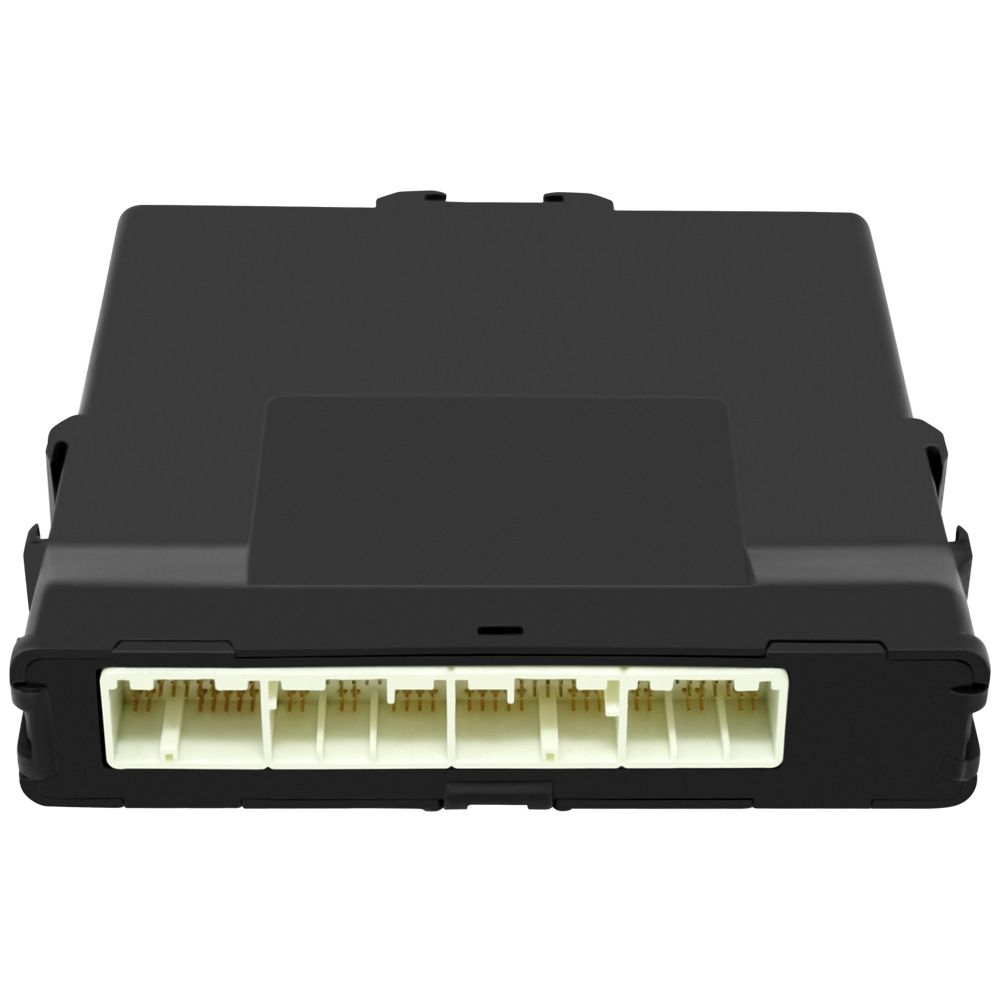
Flagship One stocks a refurbished, VIN-programmed PCM for the 2009 Toyota Tacoma PreRunner with a lifetime warranty, free shipping and no core charge. The full Toyota Tacoma PreRunner module lineup covers other engine configurations as well.
Addressing engine control module issues in your 2009 Toyota Tacoma requires understanding the necessary relearn procedures and relevant calibration bulletins. Whether you face shifting concerns or a complete no-start situation, accurate diagnosis ensures you choose the right path forward. When replacement becomes necessary, choosing a pre-programmed unit significantly simplifies the installation process. Explore the available replacement options to restore the performance and reliability of your vehicle.