
Last updated on August 25th, 2026 at 12:05 pm
The engine control module manages fuel delivery and ignition timing for your 2000 Toyota MR2 Spyder. When this unit fails, you may experience drivability issues or a no-start condition. Understanding its function helps diagnose electrical problems accurately before replacing components unnecessarily.
Owning a mid-engine sports car means maintaining complex electronics alongside mechanical components. When the central computer malfunctions, your 2000 Toyota MR2 Spyder may exhibit intermittent faults or refuse to run. This guide explains the replacement process without unnecessary complexity. You will learn about labor expectations, physical placement, and factory procedures relevant to this specific model year. Understanding these details helps you prepare for service or verify shop estimates accurately. Proper handling ensures the new unit integrates correctly with existing wiring harnesses and sensors. We focus on factual data regarding time requirements and technical service notifications. This information supports informed decisions regarding repair strategies for your vehicle.
This computer regulates engine performance by processing sensor data and adjusting outputs accordingly. It controls fuel injection pulses and spark advance based on real-time driving conditions. If the unit fails, the vehicle may enter a limp mode or stop running entirely. Maintaining this component is critical for emissions compliance and overall drivability. You might consider engine computers for the MR2 Spyder if diagnostics point to internal processor failure. External factors like voltage spikes or corrosion often contribute to premature wear. The system monitors various inputs to ensure smooth operation across different load ranges. Reliable communication between this module and other control units prevents shifting irregularities. Proper function ensures the engine meets design specifications for power and efficiency.
2000 Toyota MR2 Spyder
OEM programmed ECM for your 2000 Toyota MR2 Spyder — plug & play, no dealer visit.
Free shipping · Lifetime warranty
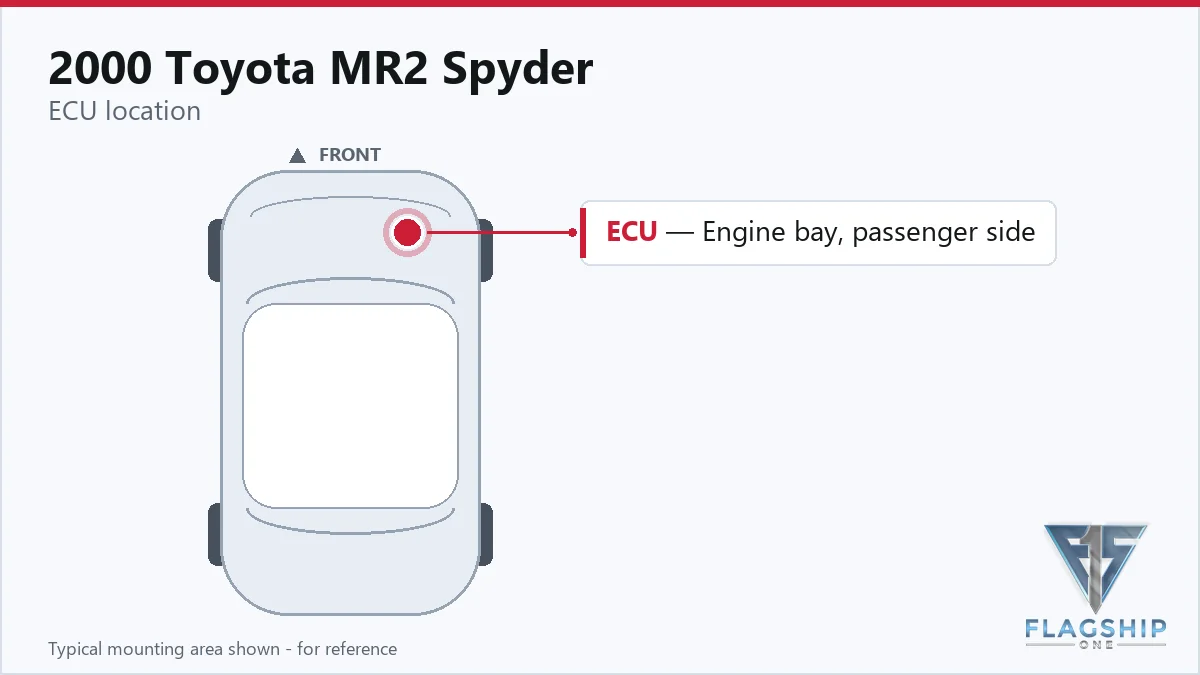
According to factory wiring documentation, the engine ECU resides within the body structure. Accessing the unit requires removing interior trim or panels depending on specific placement within that area. The book time for removing and installing the Engine Control Module is 1.8 hours. This estimate covers physical extraction and reinstallation of the hardware itself. Separate labor is allocated for initialization procedures following hardware swaps. The Powertrain Control Module R&R also carries a 1.8 hour allocation. Relearn procedures typically require 0.5 hours to complete properly. Technicians must follow specific steps to ensure the new unit communicates with existing sensors. You should anticipate these timeframes when scheduling service appointments at a repair facility. Proper installation prevents connection issues that could lead to future diagnostic trouble codes. Always verify connector seating to maintain electrical integrity throughout the harness.
| Operation | Configuration | Book Time |
|---|---|---|
| Engine Control Module Relearn | All configurations | 0.5 hr |
| Engine Control Module R&R | All configurations | 1.8 hr |
| Powertrain Control Module R&R | All configurations | 1.8 hr |
| Powertrain Control Module Relearn | All configurations | 0.5 hr |
Factory procedures often require a relearn sequence after installing a new computer. This process typically takes 0.5 hours according to standard labor guides. The step ensures the module recognizes specific vehicle parameters and immobilizer data. However, Flagship One units arrive VIN-programmed meaning those steps are already completed. You save time by installing a VIN-programmed replacement unit directly into the existing harness. This eliminates the need for specialized diagnostic tools during the initial setup. The module is ready to operate upon physical installation and connection. Technicians can verify communication without performing extensive configuration routines. This approach reduces shop time and potential errors during the programming phase. Your vehicle should start and run normally once power and grounds are confirmed.
Common signs of failure include unexpected stalling while driving or a no-start condition when turning the key. You may notice the engine cranks but fails to fire due to missing spark or fuel commands. Intermittent misfires can occur under load if the processor cannot manage ignition timing correctly. Scan tools might lose communication with the engine system entirely during diagnostics. Shifting issues may arise if the transmission relies on data from this computer. These symptoms often mimic sensor failures, requiring careful testing to isolate the root cause. Electrical gremlins in the 2000 Toyota MR2 Spyder can sometimes point back to the main computer. Corrosion on connectors or water intrusion often precedes total unit failure. Addressing these signs early prevents being stranded on the roadside unexpectedly. Proper diagnosis confirms whether the issue lies within the module or external wiring.
Factory service information includes bulletin number PG005-00 relevant to this model. This technical service notice addresses installing the ECU-B1 fuse during the pre-delivery service process. The document outlines specific steps for ensuring proper fuse placement in the electrical system. Adhering to these guidelines helps prevent power supply issues to the engine computer. Technicians should reference this bulletin when diagnosing no-power conditions related to the ECU circuit. The information applies specifically to the 2000 MR2 production run. Following factory notifications ensures all safety and operational standards are met during repairs. This record indicates potential historical concerns regarding fuse configuration at the dealership level.
| Bulletin | Subject | What It Addresses |
|---|---|---|
| PG005-00 | :PG005-00:2000 MR2 ECU-B1 Fuse Installation during PDS | — |
Driving with a faulty module is not recommended as it may cause stalling or loss of power. The vehicle could enter a limp mode that limits performance significantly. You risk being stranded if the computer fails completely while operating.
Book time for removal and installation is typically 1.8 hours according to labor guides. Additional time is allocated for relearn procedures if required by the specific unit. Total shop time may vary based on technician experience and access conditions.
Factory wiring guides place the engine ECU within the body structure. Exact access may require removing interior panels or trim components to reach the unit. Consult specific diagrams for precise location within the body framework.
You may choose between repairing your original unit or installing a refurbished replacement. Refurbished options often provide a more reliable long-term solution for aging electronics. This approach avoids the uncertainty of fixing damaged circuit boards internally. For the 2000 Toyota MR2 Spyder, replacement ensures compatibility with current emissions standards. Evaluate the cost of labor against the price of a verified exchange unit.
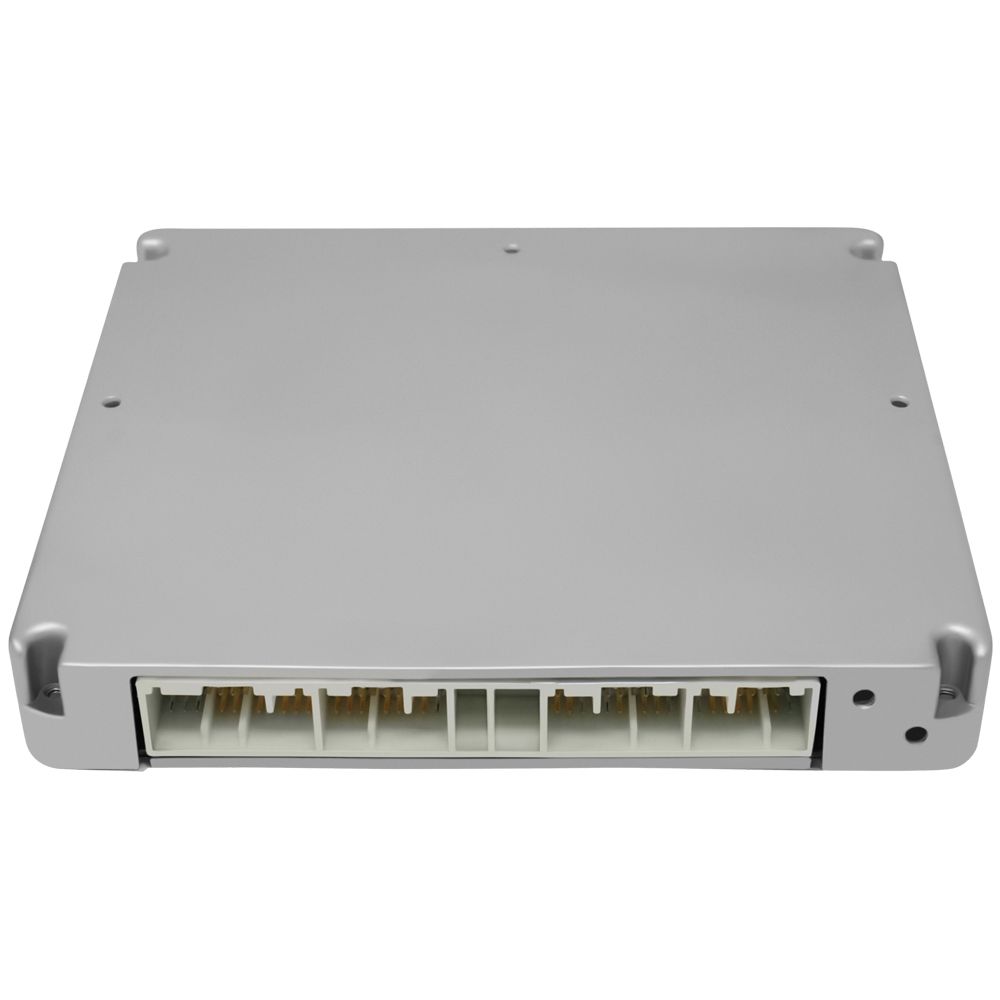
Flagship One stocks a refurbished, VIN-programmed PCM for the 2000 Toyota MR2 Spyder with a lifetime warranty, free shipping and no core charge. The full Toyota MR2 Spyder module lineup covers other engine configurations as well.
Maintaining the engine computer ensures your 2000 Toyota MR2 Spyder continues to perform reliably. Understanding labor times and location details helps you manage repair expectations effectively. Proper installation and programming are key to restoring full vehicle functionality. Consider your options carefully before proceeding with major electrical service work.