
Last updated on August 25th, 2026 at 12:06 pm
The engine control module in a 1998 Toyota Sienna manages fuel delivery and ignition timing. When this computer fails, the vehicle often experiences erratic idling, poor fuel economy, or a total loss of power, as the system can no longer process sensor data to maintain engine operation.
Facing a vehicle that refuses to start or exhibits unpredictable engine behavior can be frustrating, especially with a reliable van like the 1998 Toyota Sienna. Often, these symptoms trace back to the engine computer, which acts as the central brain for the powertrain. This component monitors a vast array of sensors to ensure the 3.0L engine runs efficiently and stays within emissions standards. When the internal circuitry of the module degrades or fails, the vehicle may enter a limp mode or fail to fire the spark plugs entirely. Understanding how this module functions and the steps required to replace it helps you avoid unnecessary diagnostic errors. By focusing on the relationship between the hardware and the software, you can identify whether a simple sensor failure is the cause or if the entire control module needs replacement. This guide provides the technical context needed to address computer failures, ensuring your vehicle returns to a stable operating state with minimal downtime. You will learn the specific labor requirements and the importance of proper programming for a successful repair.
1998 Toyota Sienna
OEM programmed ECM for your 1998 Toyota Sienna — plug & play, no dealer visit.
Free shipping · Lifetime warranty
The powertrain control module in a 1998 Toyota Sienna is the primary electronic coordinator for the engine and transmission. It processes inputs from the mass airflow sensor, coolant temperature sensor, and crankshaft position sensor to determine the exact amount of fuel to inject and the precise moment to trigger the ignition. Because it manages these critical timings, any internal fault can lead to poor acceleration or erratic shifting. This level of control is essential for maintaining the longevity of the 3.0L V6 engine. When searching for replacement 1998 Toyota Sienna computers to fix these issues, it is important to understand that the module is not just a passive component but an active processor. It constantly adjusts parameters based on driving conditions, such as load and temperature, to optimize efficiency. If the processor fails, the vehicle may exhibit a variety of symptoms, ranging from a rough idle to a complete lack of communication with a scan tool. This makes the computer a single point of failure for the entire powertrain. Ensuring the module is functioning correctly prevents engine damage and ensures the vehicle operates as the manufacturer intended. Without a working PCM, the fuel pumps and ignition system typically will not receive the necessary signals to operate, leaving the vehicle stranded.
Replacing the computer in a 1998 Toyota Sienna involves specific labor steps depending on the unit. For the engine control module, the removal and installation process is quoted at 0.6 hours. If the powertrain control module is the component being replaced, the labor time for removal and installation is 0.8 hours. These times reflect the physical act of accessing the module and swapping the hardware. Once the new unit is seated and connected, a relearn procedure is necessary to synchronize the computer with the vehicle. The relearn process for the engine control module takes 0.5 hours, while the relearn for the powertrain control module also requires 0.5 hours. These book times provide a baseline for the technical effort involved in the physical swap and the subsequent software initialization required to restore vehicle functionality.
| Operation | Configuration | Book Time |
|---|---|---|
| Engine Control Module Relearn | All configurations | 0.5 hr |
| Engine Control Module R&R | All configurations | 0.6 hr |
| Powertrain Control Module R&R | All configurations | 0.8 hr |
| Powertrain Control Module Relearn | All configurations | 0.5 hr |
After a new module is installed in a 1998 Toyota Sienna, the factory protocol typically requires a relearn procedure to ensure the engine and transmission operate correctly. This process synchronizes the new hardware with the vehicle’s specific parameters, which usually takes 0.5 hours of labor. However, the complexity of this step can be reduced by using a VIN-programmed replacement unit from Flagship One. Because these modules arrive with the vehicle identification number already programmed into the software, the intensive factory programming steps are already completed before the part reaches your door. This eliminates the need for specialized dealership equipment to perform the initial setup. You can simply install the hardware and proceed with the necessary relearn, significantly reducing the time the vehicle spends in the shop. This streamlined approach ensures that the computer is immediately compatible with your vehicle’s electronics, avoiding the common pitfalls associated with unprogrammed aftermarket modules.
A failing computer in a 1998 Toyota Sienna often manifests as a series of unpredictable electronic glitches. You may notice the engine stalling unexpectedly at stoplights or a complete failure to start, even when the battery and starter are functional. In some cases, the vehicle might suffer from a persistent misfire that does not respond to new spark plugs or ignition coils. Communication failures are also common, where a technician finds that the scan tool cannot establish a connection with the PCM. This lack of communication typically indicates an internal hardware failure within the module. You might also encounter a situation where the engine triggers a internal control module error which points directly to a failure in the computer’s internal memory. Additionally, the transmission may shift harshly or fail to enter the correct gear, as the PCM can no longer manage the shift solenoids effectively. Other signs include an erratic idle that fluctuates wildly or a sudden drop in fuel economy due to incorrect fuel trim adjustments. Because the module controls so many systems, the symptoms can be misleading, often mimicking a failed sensor or a wiring harness issue. Thorough diagnostics are required to confirm that the module itself is the source of the malfunction before proceeding with a replacement.
Yes, the factory requires a relearn process. Flagship One provides units that are pre-programmed with the VIN to simplify this.
The removal and installation of the ECM typically takes 0.6 hours. An additional 0.5 hours is needed for the relearn procedure.
Yes, the PCM manages the transmission solenoids. A failure can lead to harsh shifts or incorrect gear selection.
The ECM R&R is 0.6 hours, while the PCM R&R is 0.8 hours. Both require a 0.5-hour relearn process.
If the no-start is caused by a failed computer that cannot trigger the ignition or fuel system, a replacement will typically resolve the issue.
When deciding how to restore the electronics in your 1998 Toyota Sienna, you have several options. While some choose refurbished units, a high-quality replacement ensures long-term reliability for your powertrain. Evaluating the specific labor times for your ECM or PCM helps you plan the repair accurately. Choosing a module that arrives pre-programmed reduces the risk of installation errors and minimizes the time your vehicle is out of service.
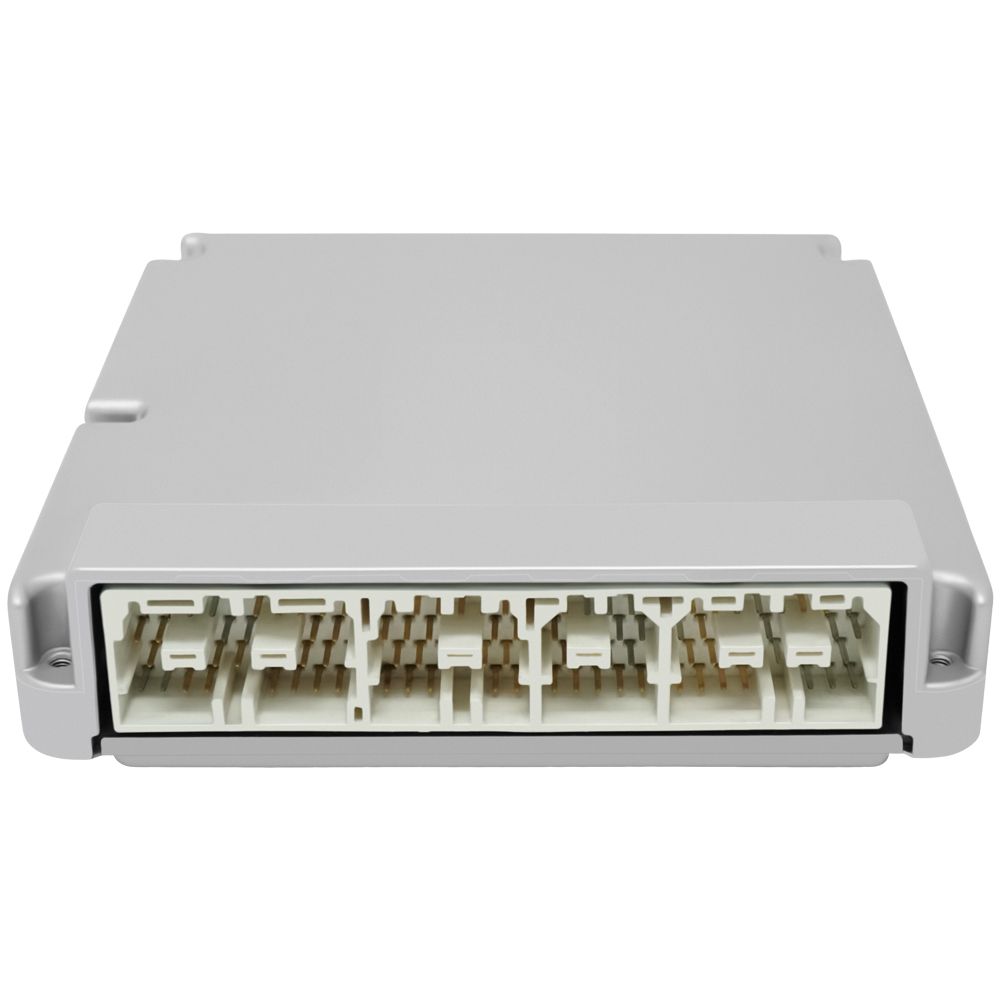
Flagship One stocks a refurbished, VIN-programmed PCM for the 1998 Toyota Sienna with a lifetime warranty, free shipping and no core charge. The full Toyota Sienna module lineup covers other engine configurations as well.
Maintaining the electronic integrity of your 1998 Toyota Sienna is key to ensuring the 3.0L engine runs smoothly. By recognizing the symptoms of computer failure and following the proper replacement and relearn procedures, you can restore your vehicle’s performance. If you suspect your control module is failing, consider a professional replacement to get your van back on the road safely and efficiently.